Shop
Cream Legbar-Type Cross Fertile Eggs – Blue & Green Egg Layers (PRICE IS PER EGG)
R20,00
💙💚 Cream Legbar-type rooster × blue/green colour-layer hens
Crossbred fertile eggs with the potential to produce blue, turquoise, mint, sage and green egg-laying daughters.
Price is per individual fertile egg.
🥚 Freshly collected and dispatched within 1–4 days of being laid.
📦 Displayed availability reflects the fresh eggs expected within 1–2 days. Nationwide delivery available.
Not purebred Cream Legbars or a stabilised line. Appearance, sex, future egg colour, fertility and hatch results cannot be guaranteed.
15 in stock (can be backordered)
Description
💙💚 Cream Legbar-Type Cross Fertile Hatching Eggs
Blue, Turquoise, Mint, Sage and Green Egg-Layer Project 🥚🐣
Price is per individual fertile egg
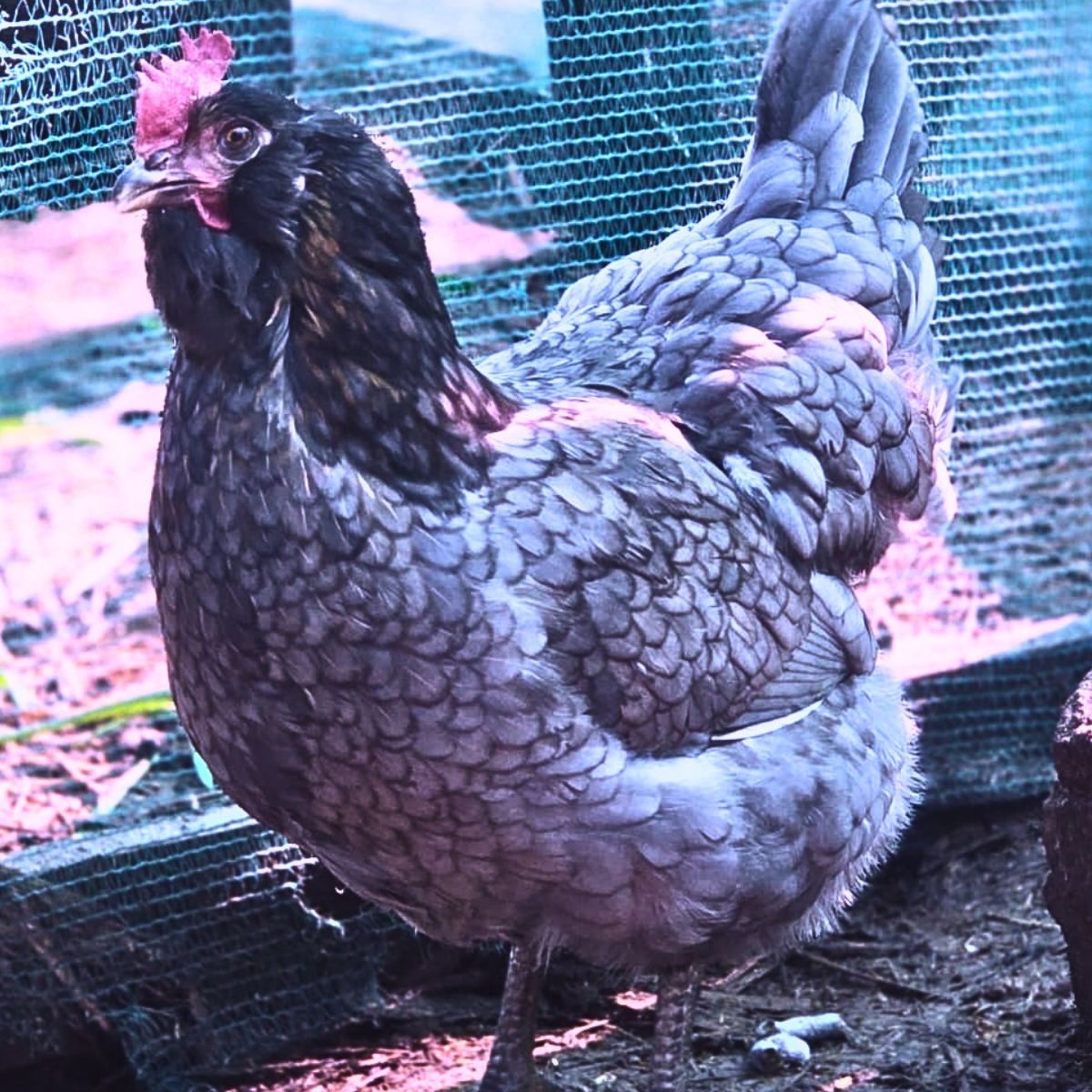
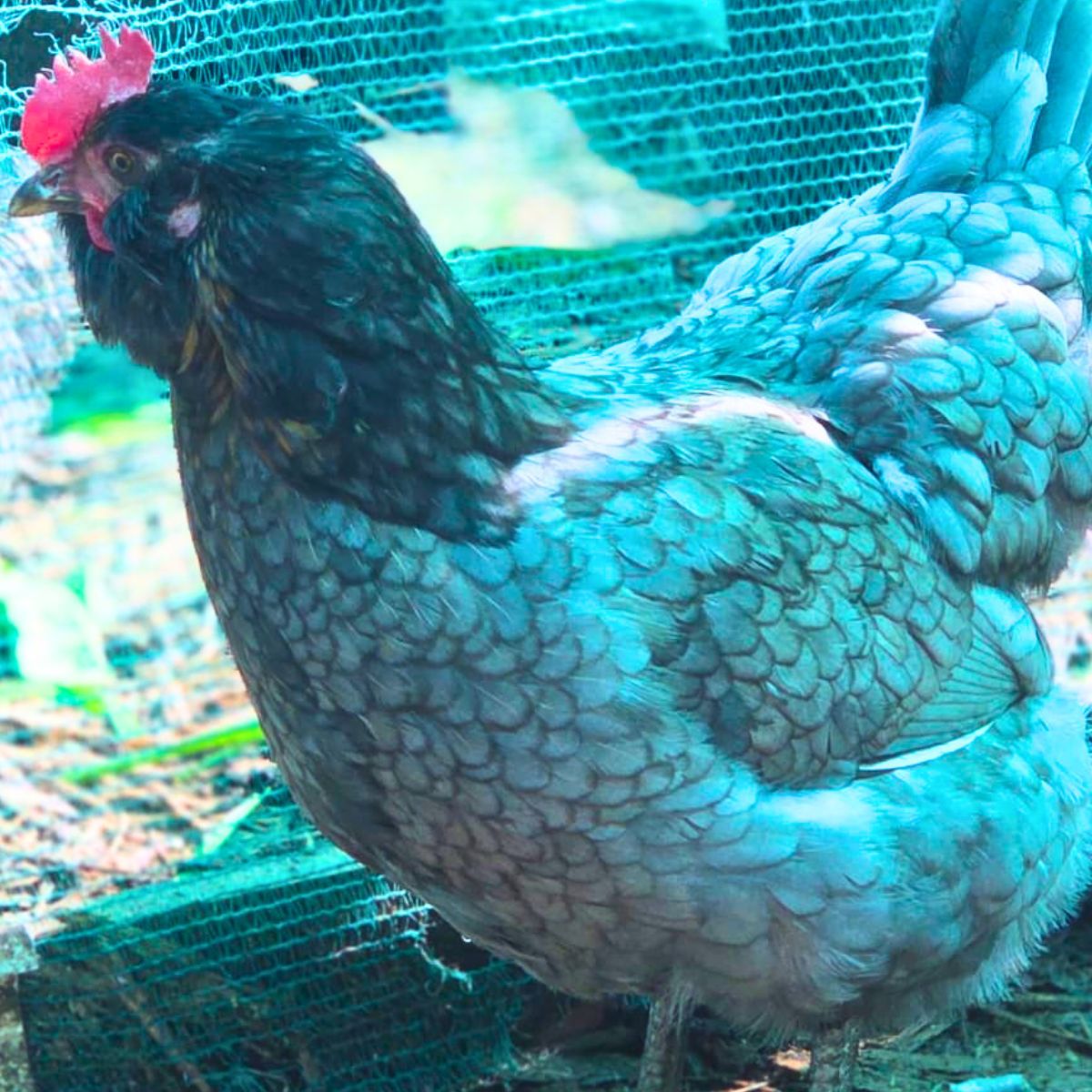
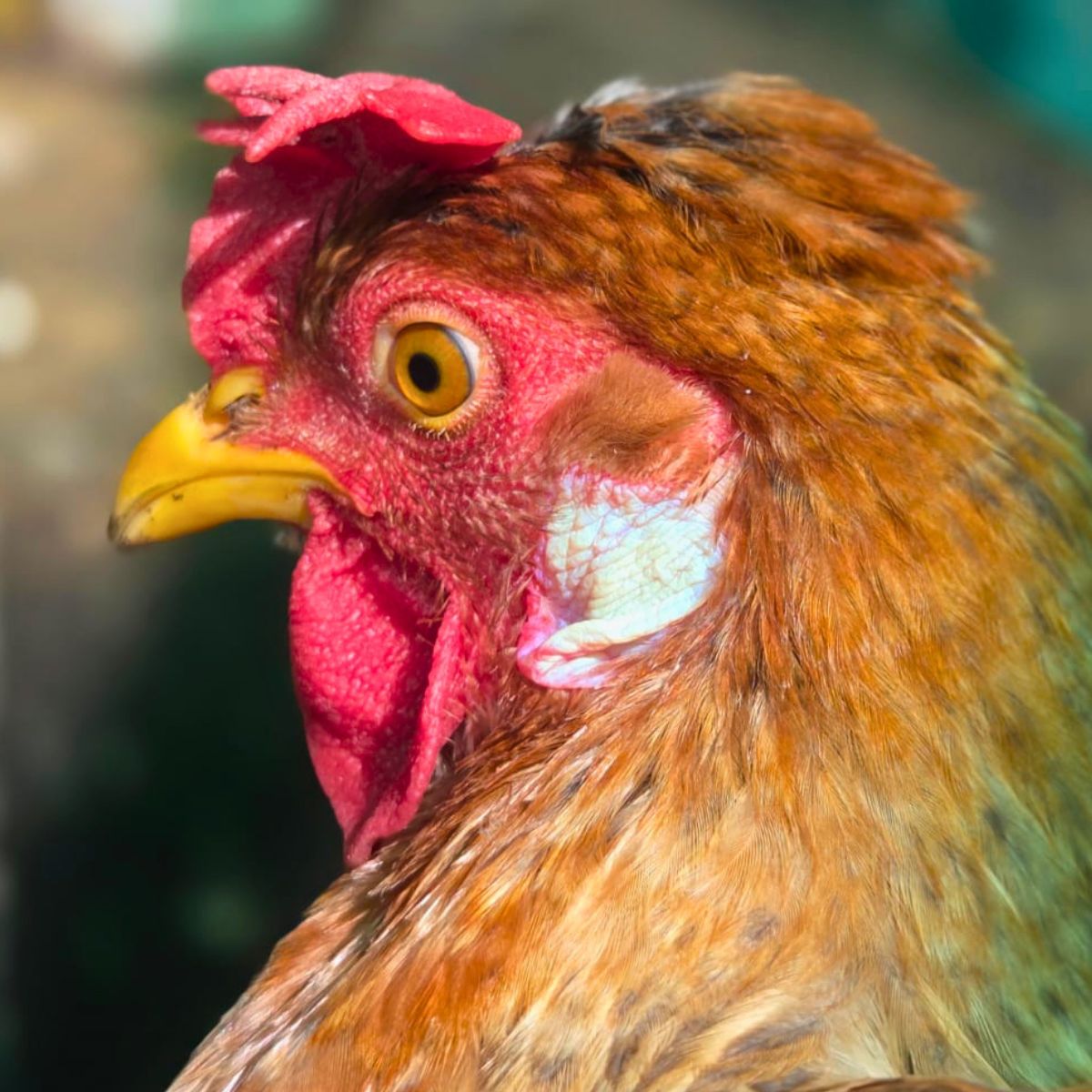
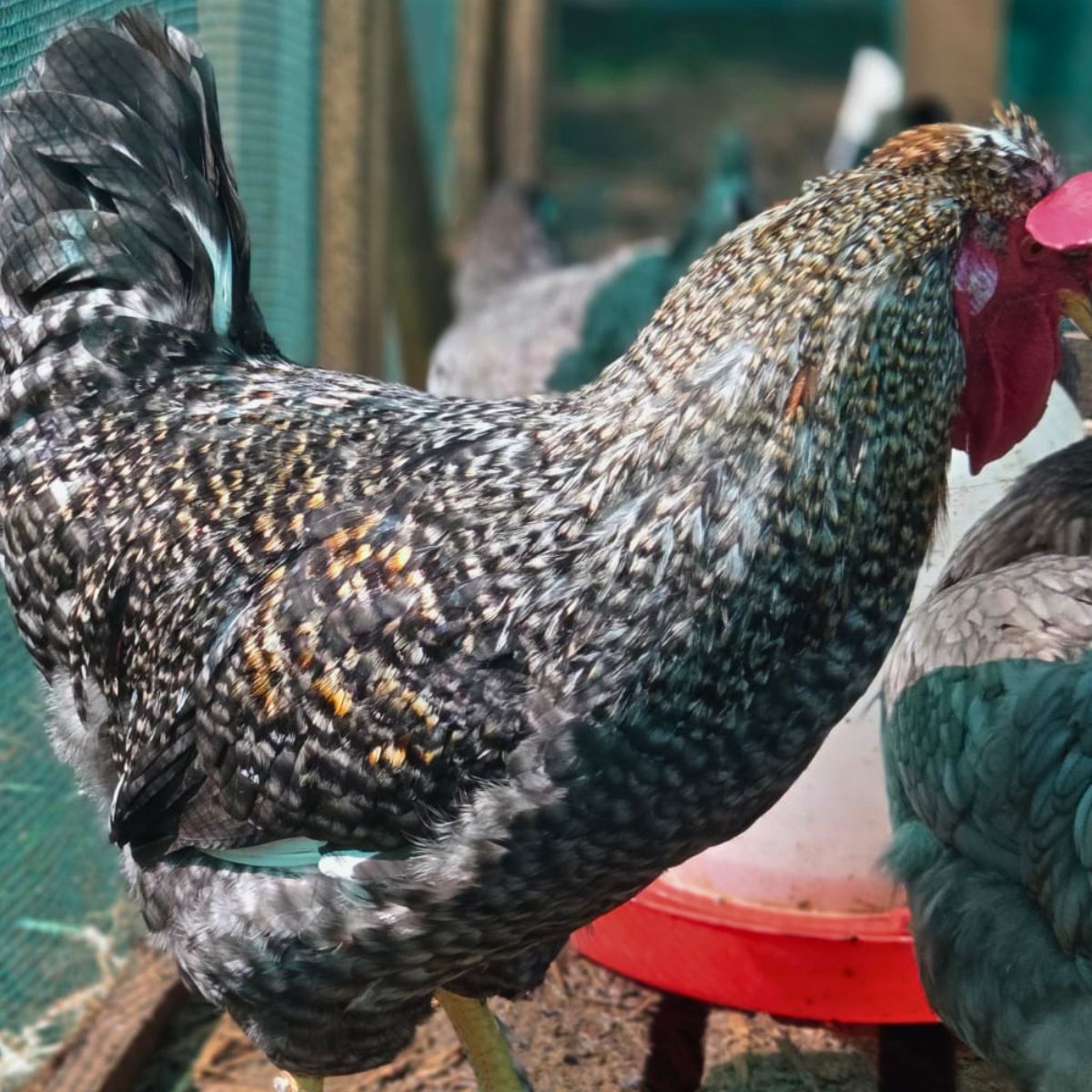
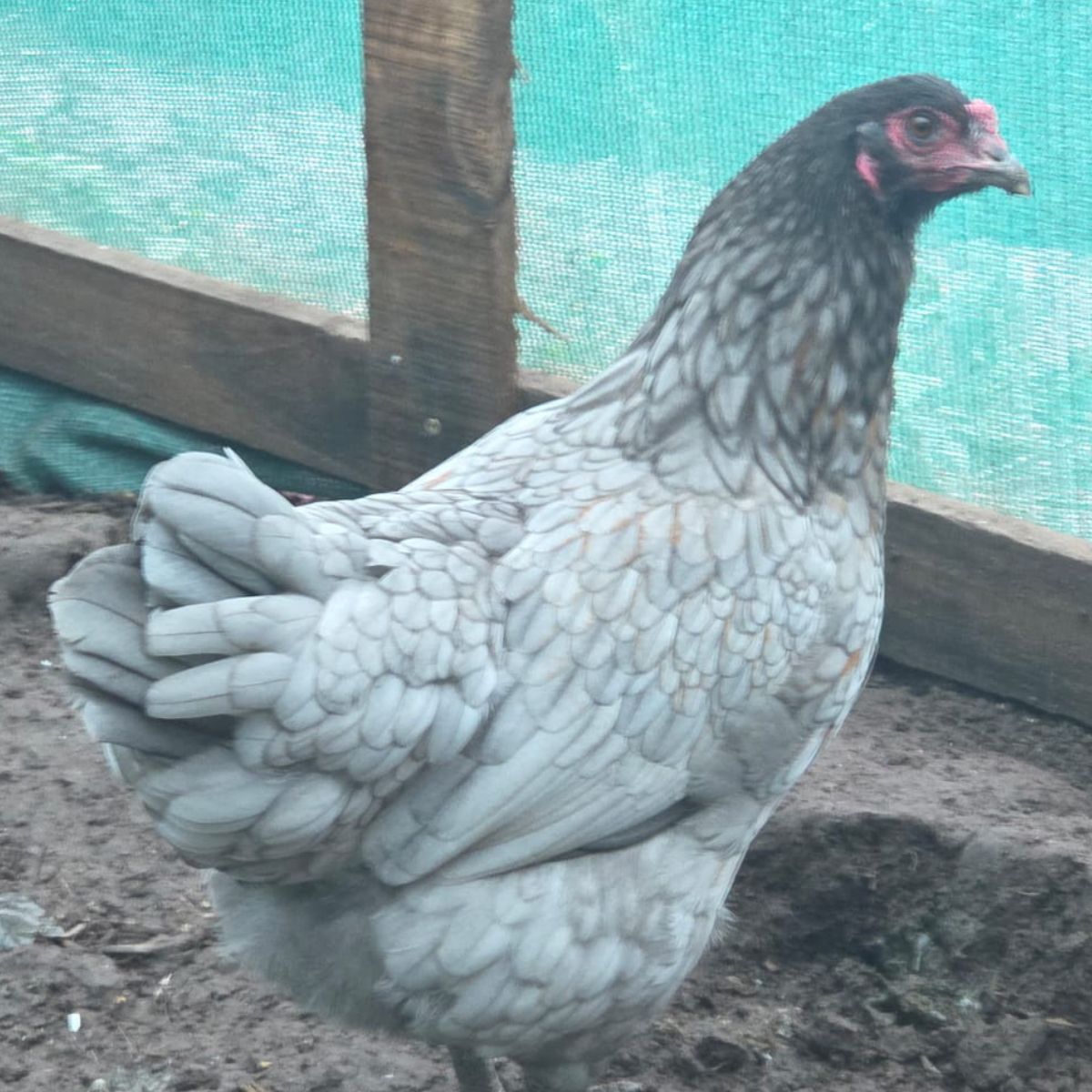
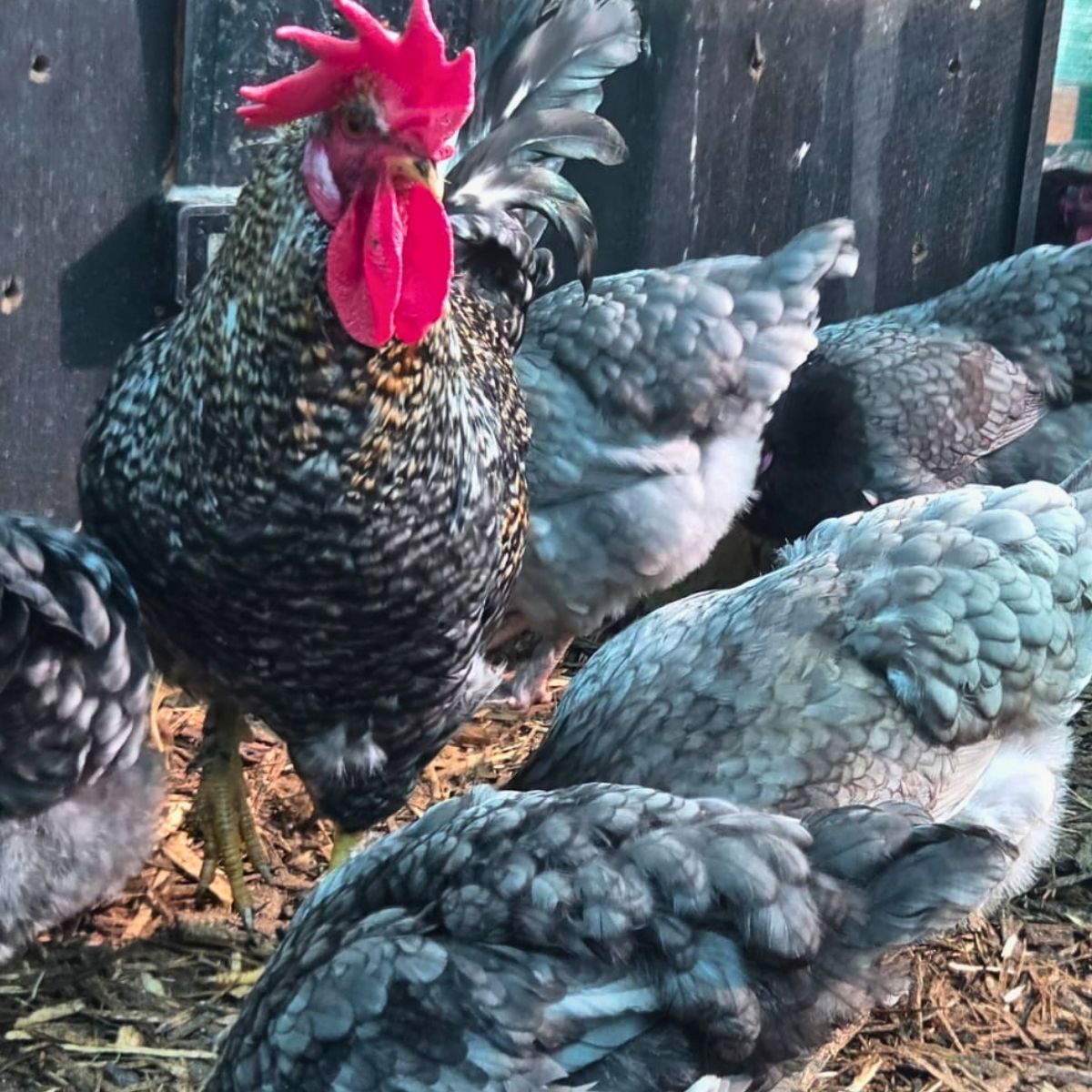
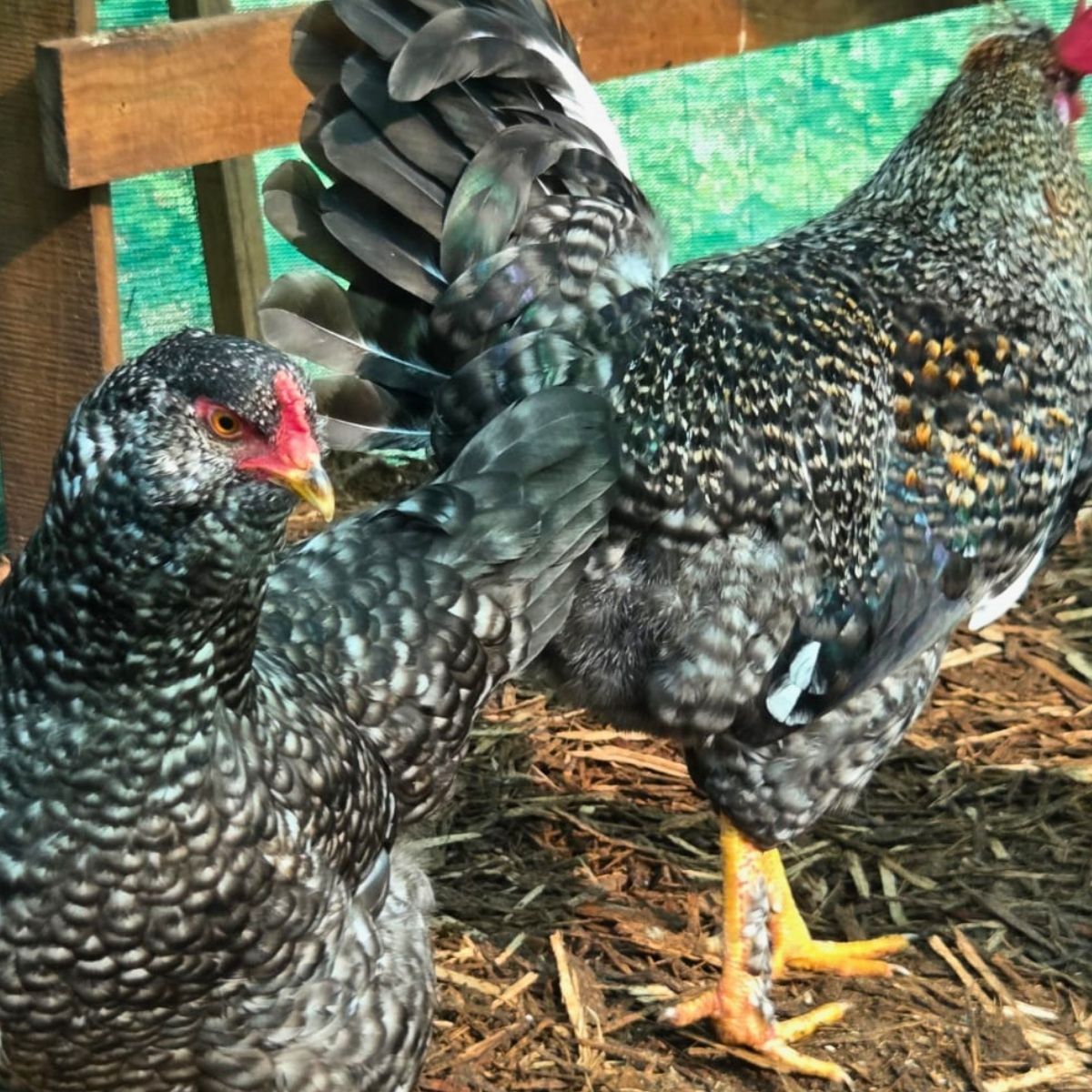
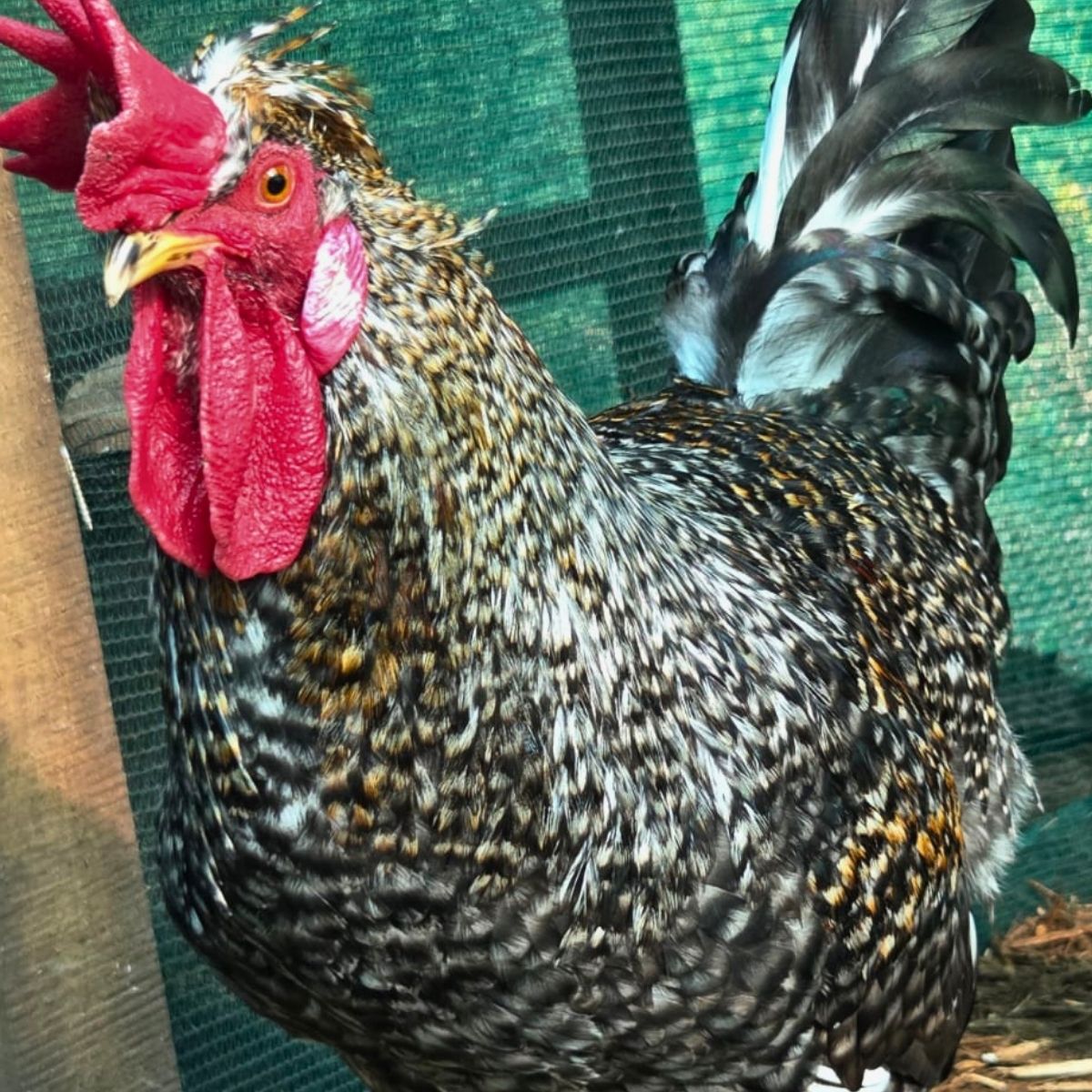
Fresh fertile hatching eggs • Actual parent stock photographed • Secure nationwide delivery across South Africa
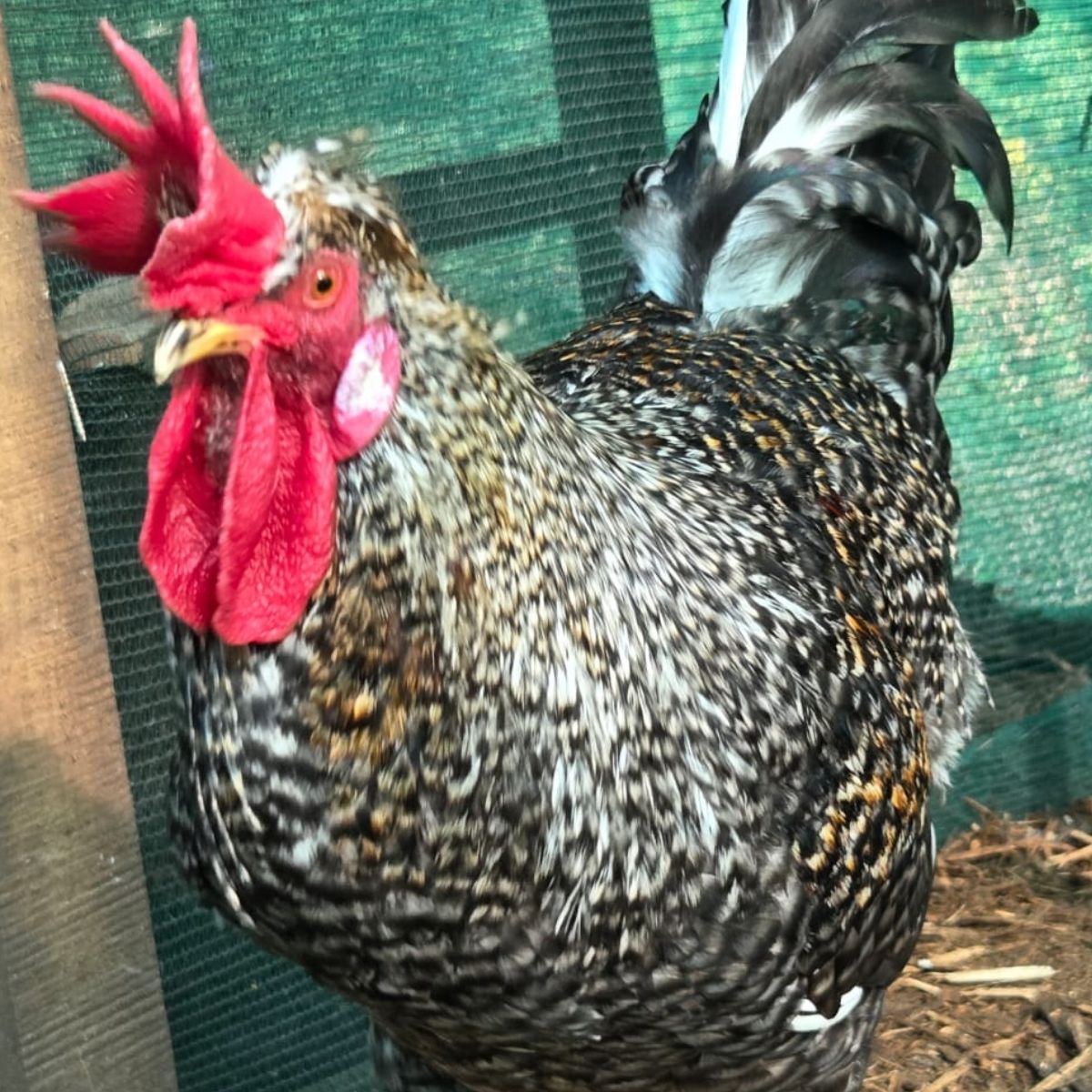
These fertile hatching eggs come from our Cream Legbar-type rooster paired with selected blue and green colour-layer hens at Garden Route Trail Hatch House.
This intentionally crossbred colour-egg project combines diverse plumage with desirable coloured-shell genetics. Future pullets may have the potential to lay shades of blue, turquoise, mint, sage and green.
These eggs are not sold as purebred Cream Legbars.
🐣 Breeding-Group Overview
Our breeding group includes:
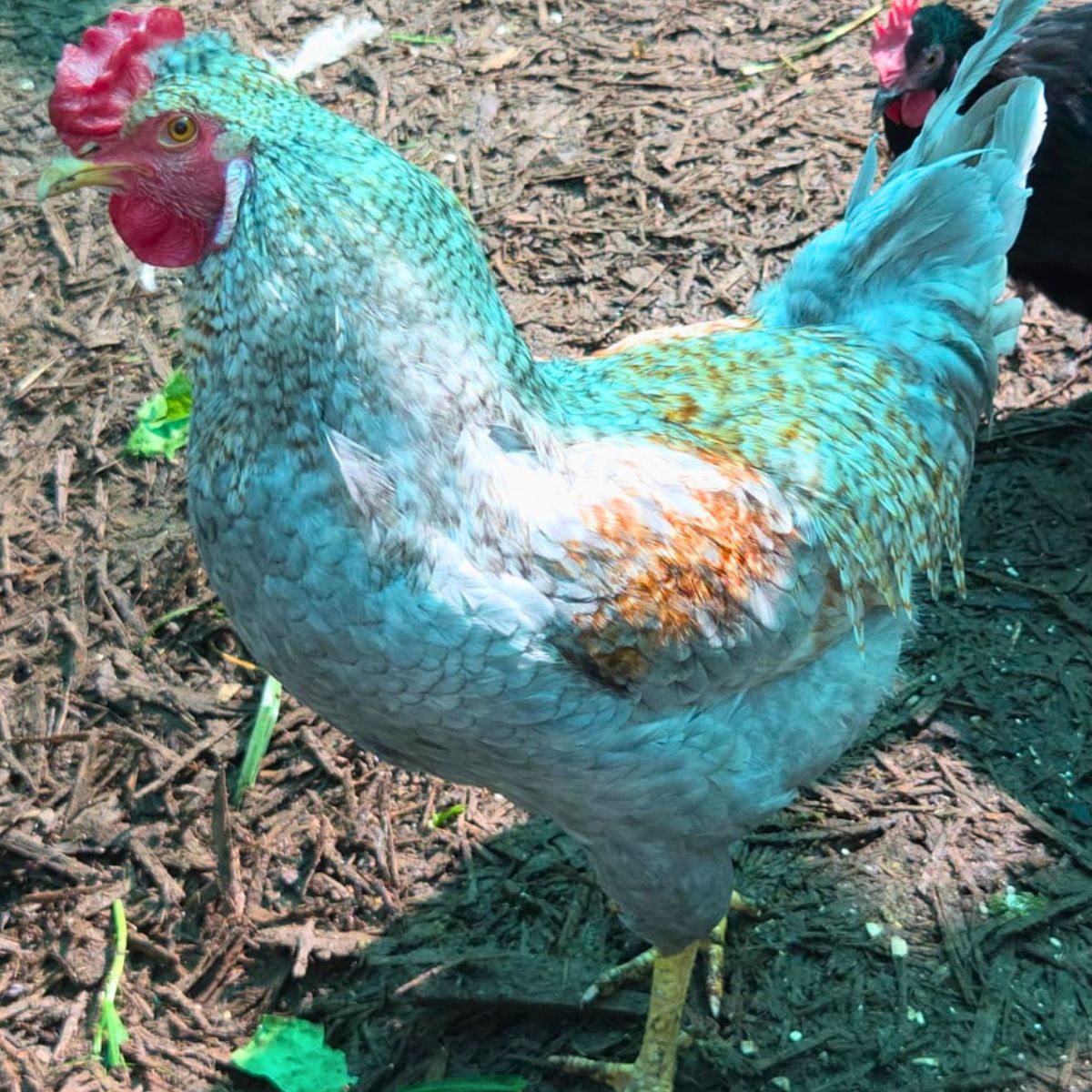
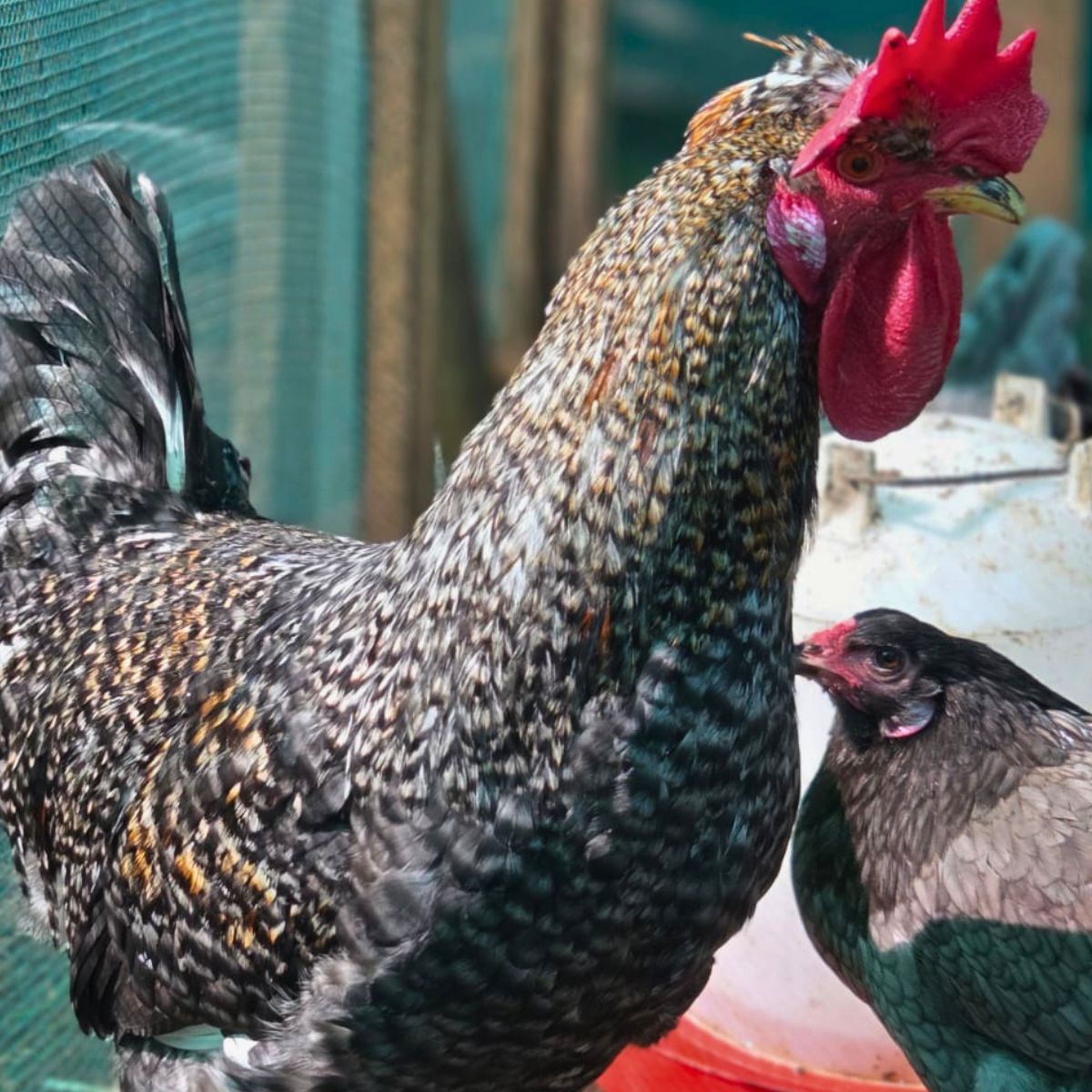
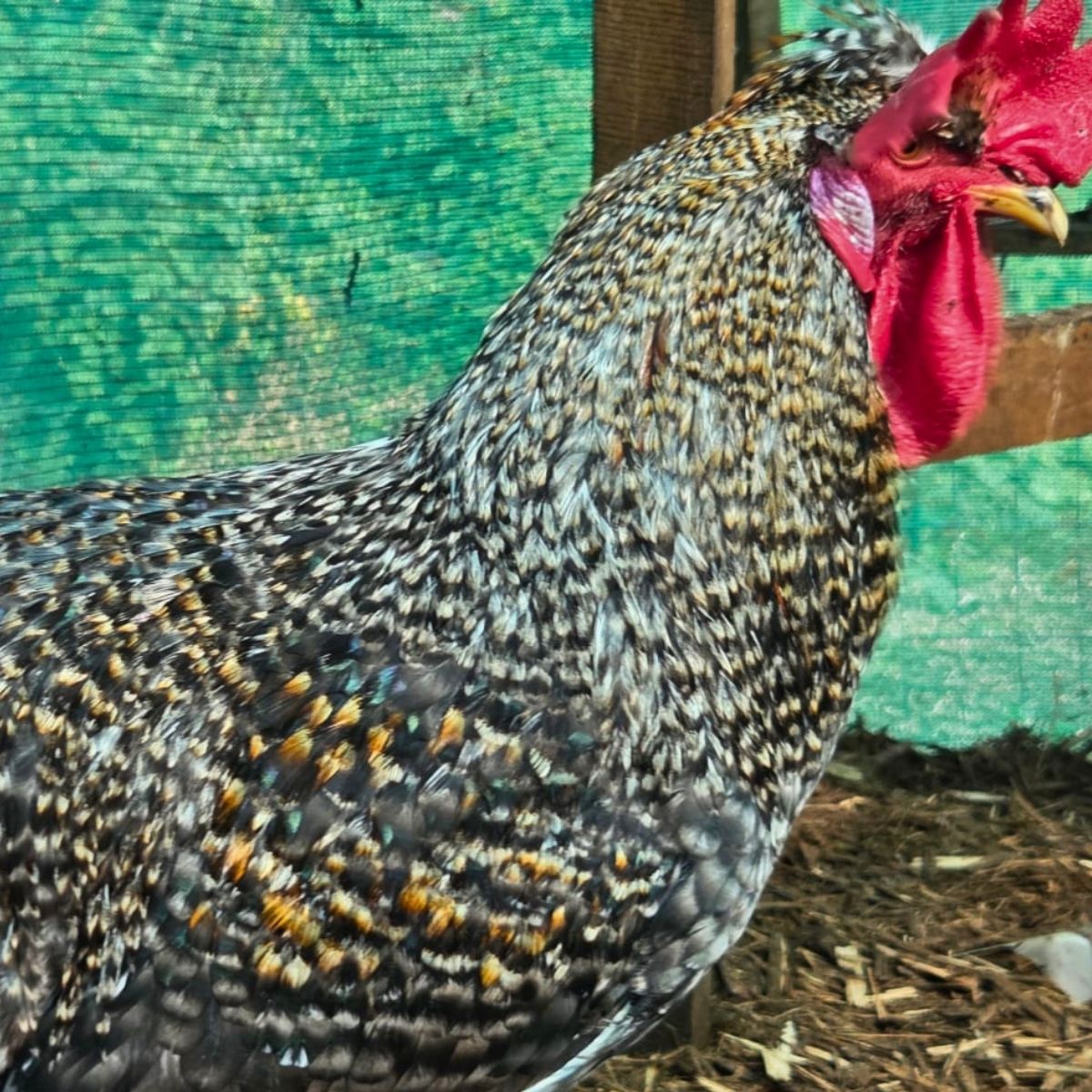
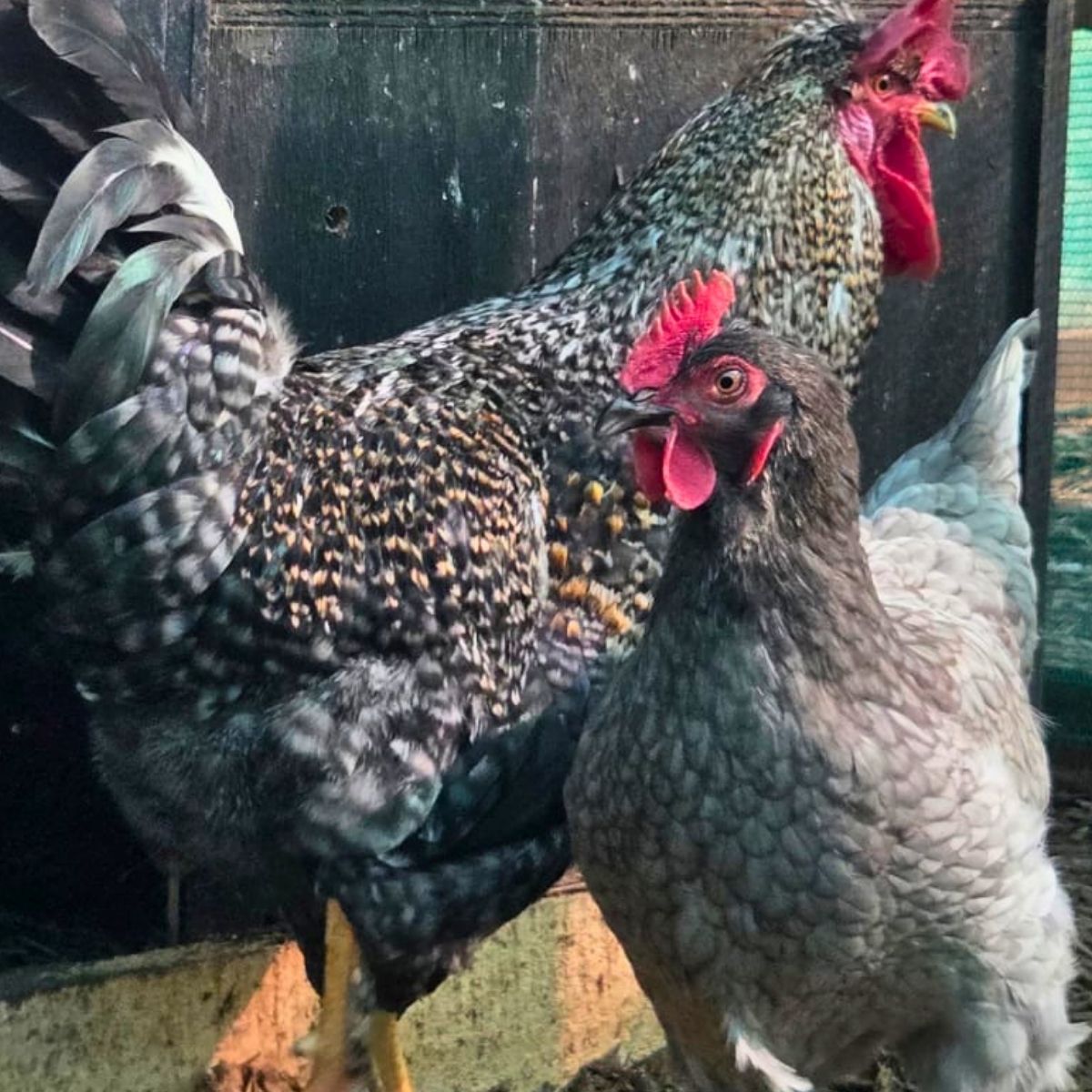
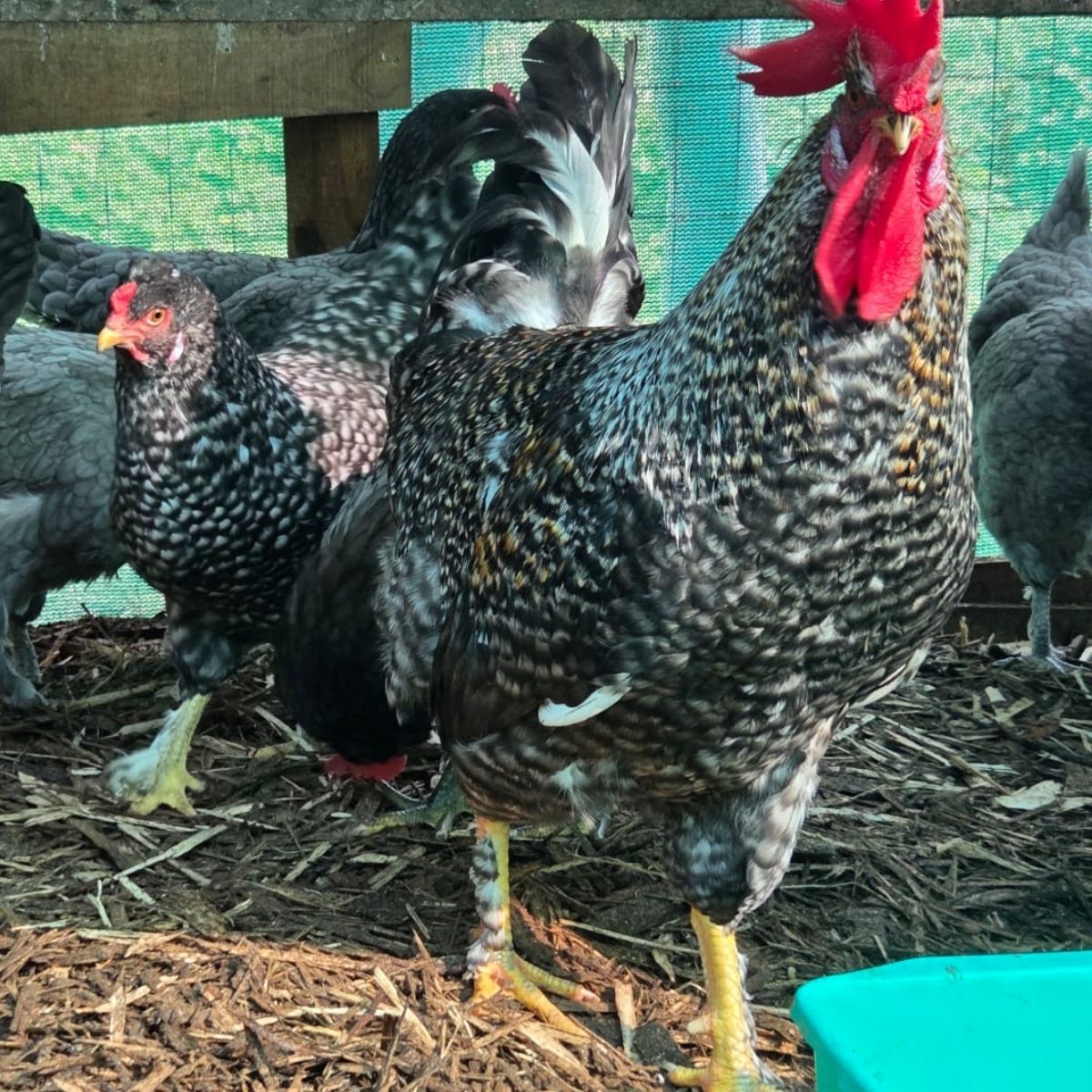
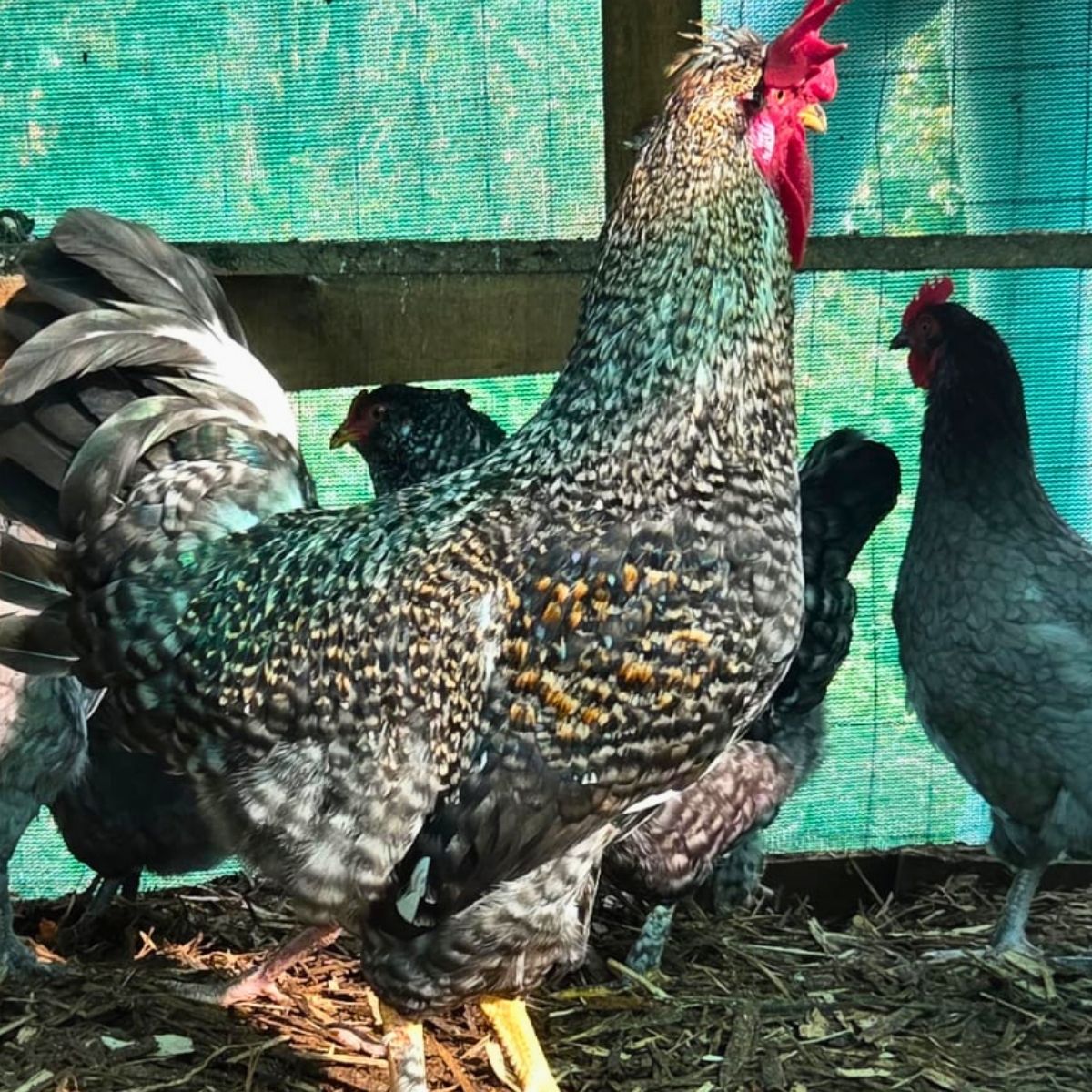
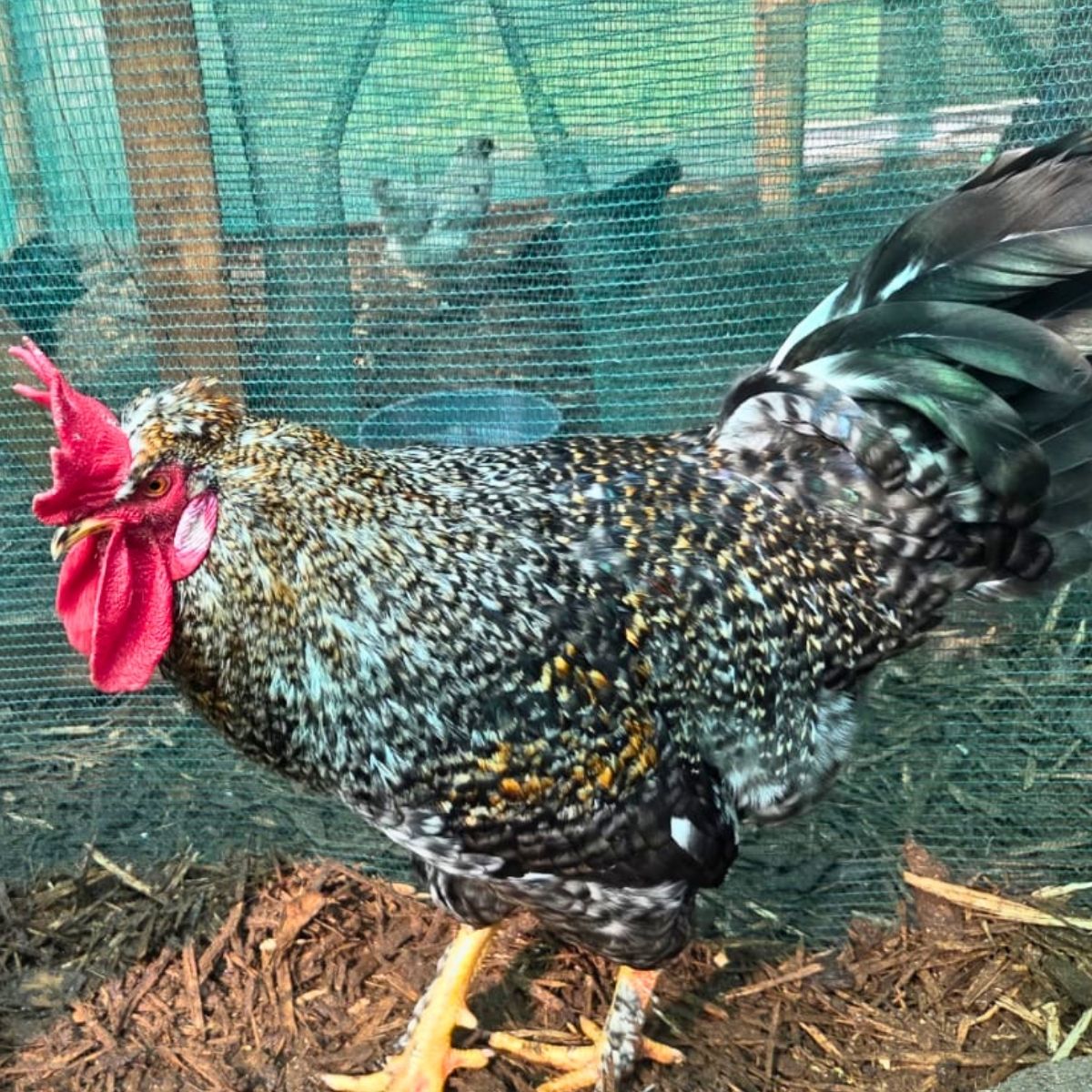
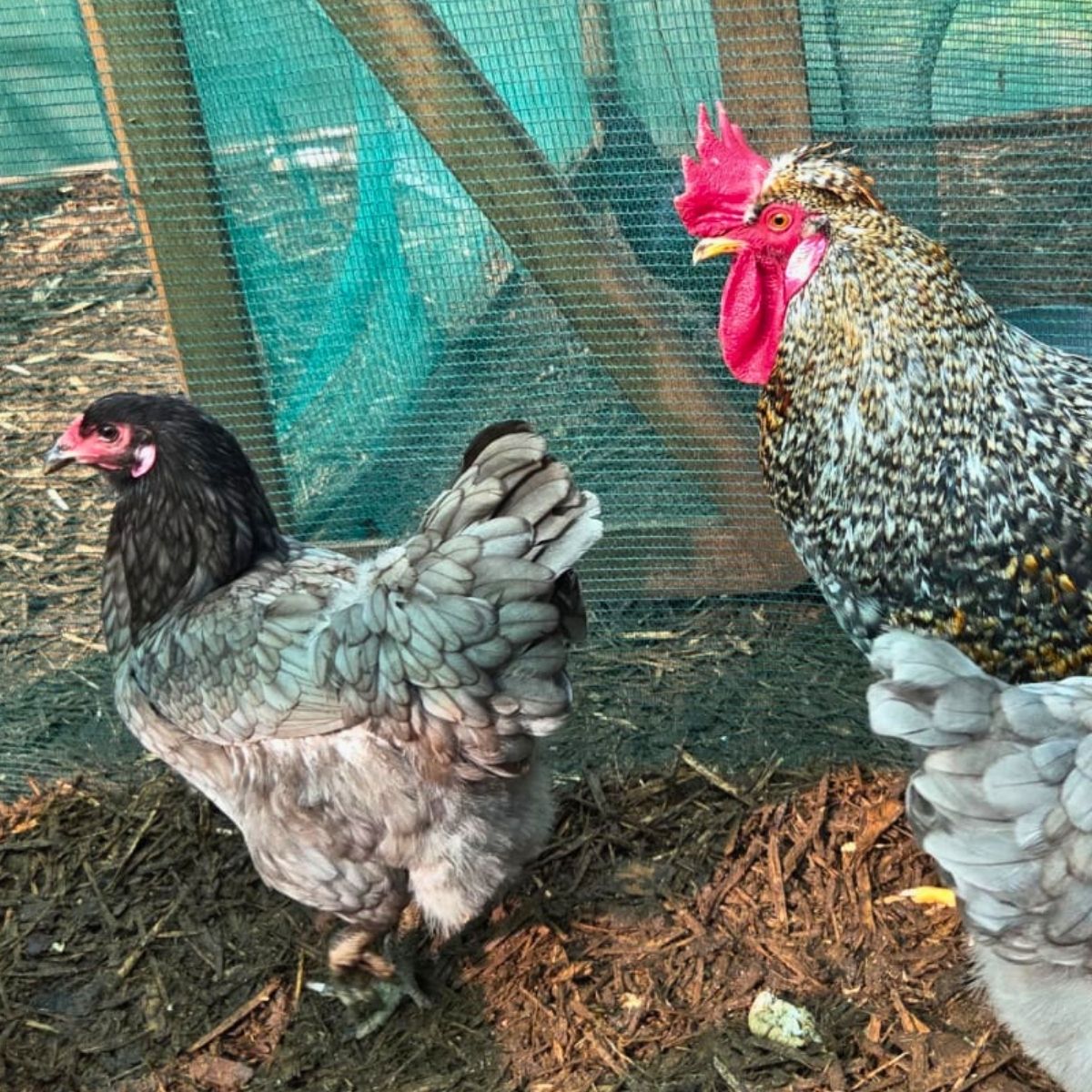
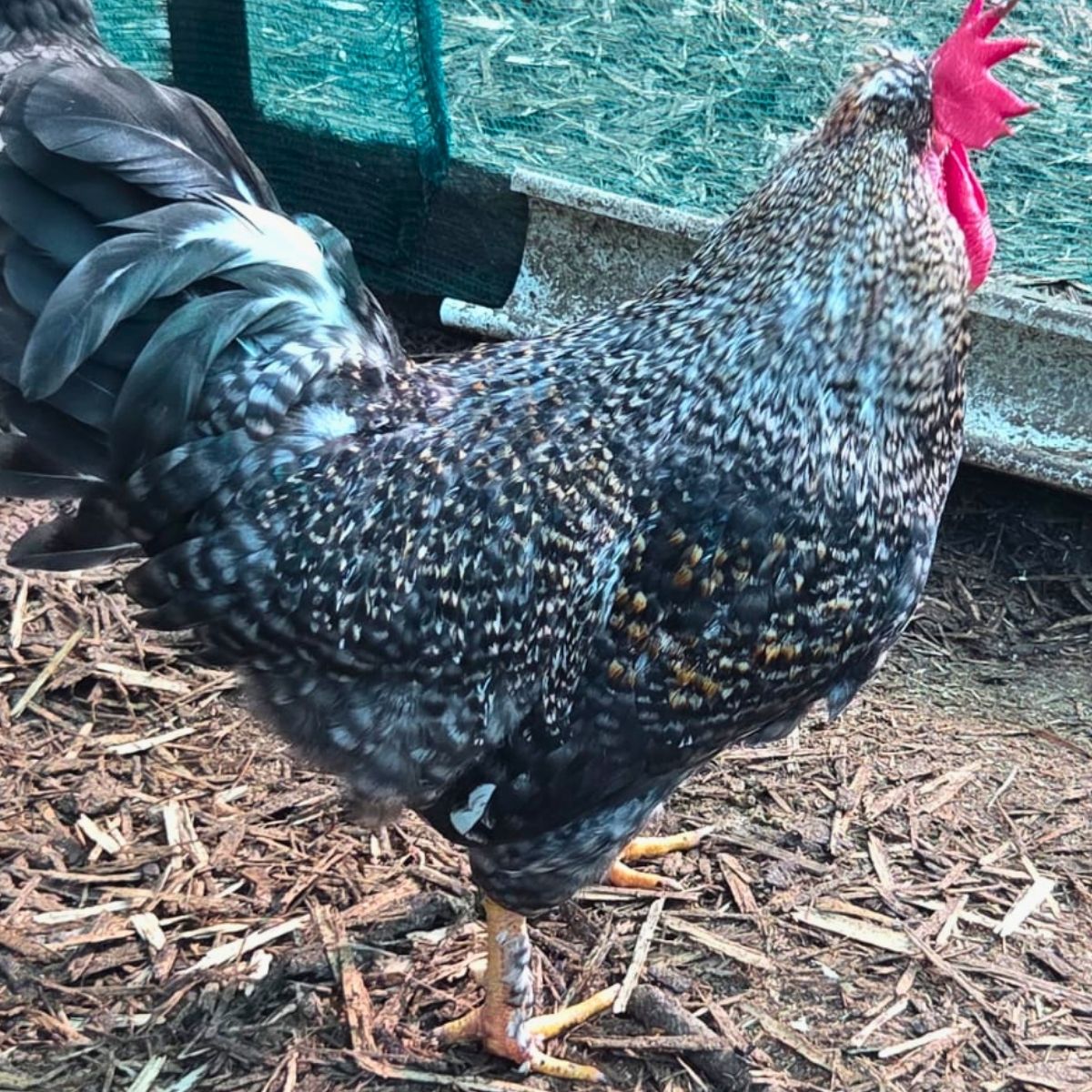
- A Cream Legbar-type rooster carrying coloured-egg genetics
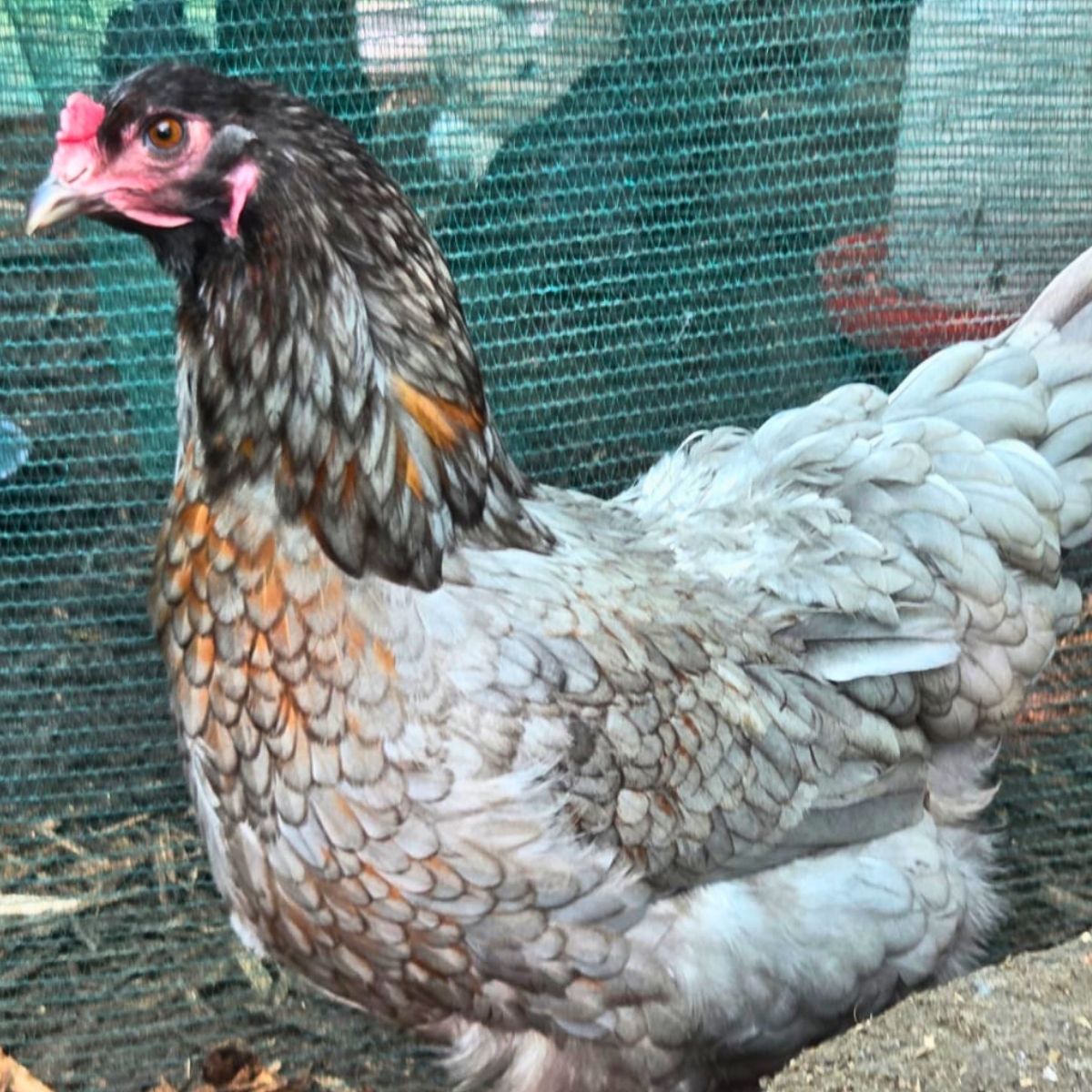
- Selected blue and green egg-laying hens
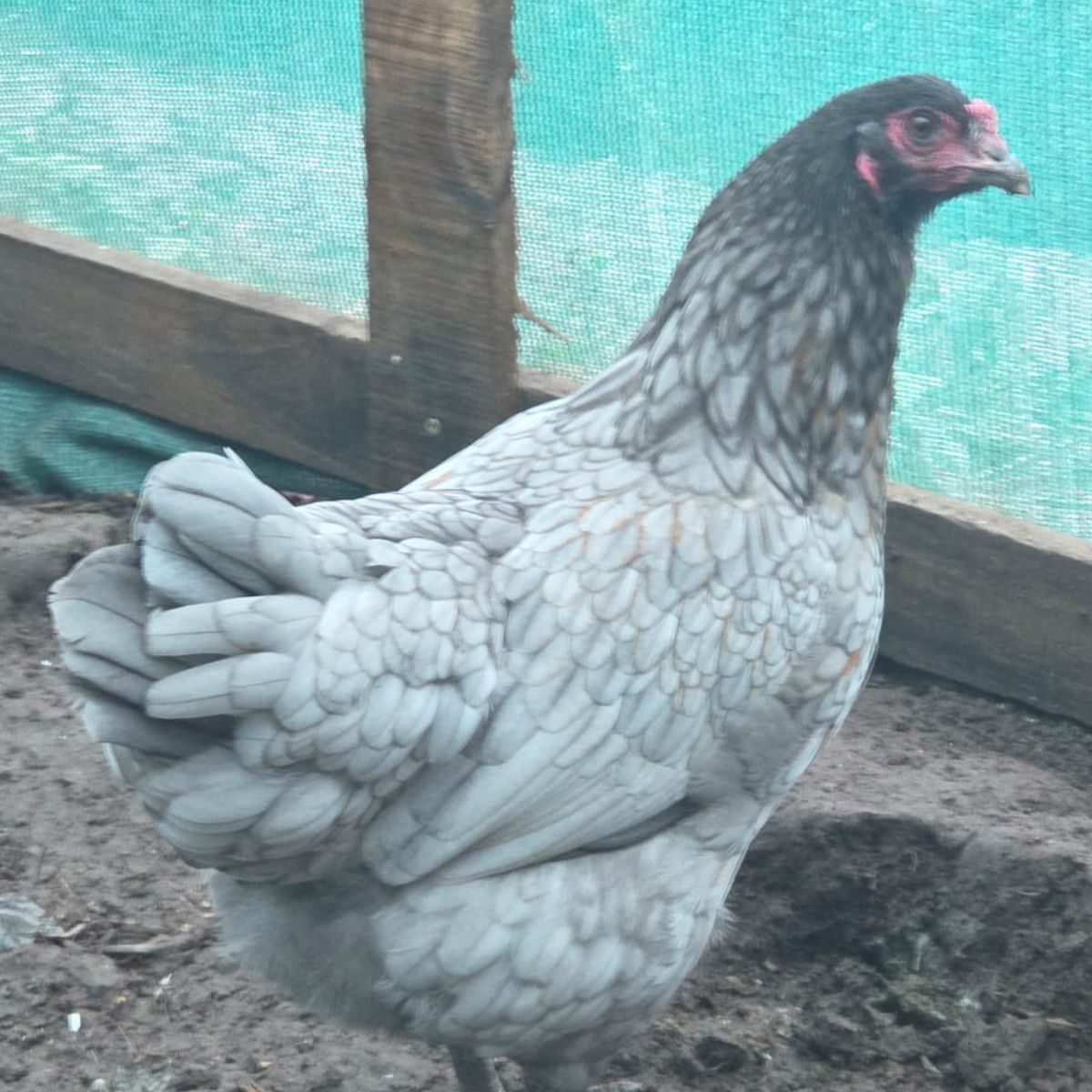
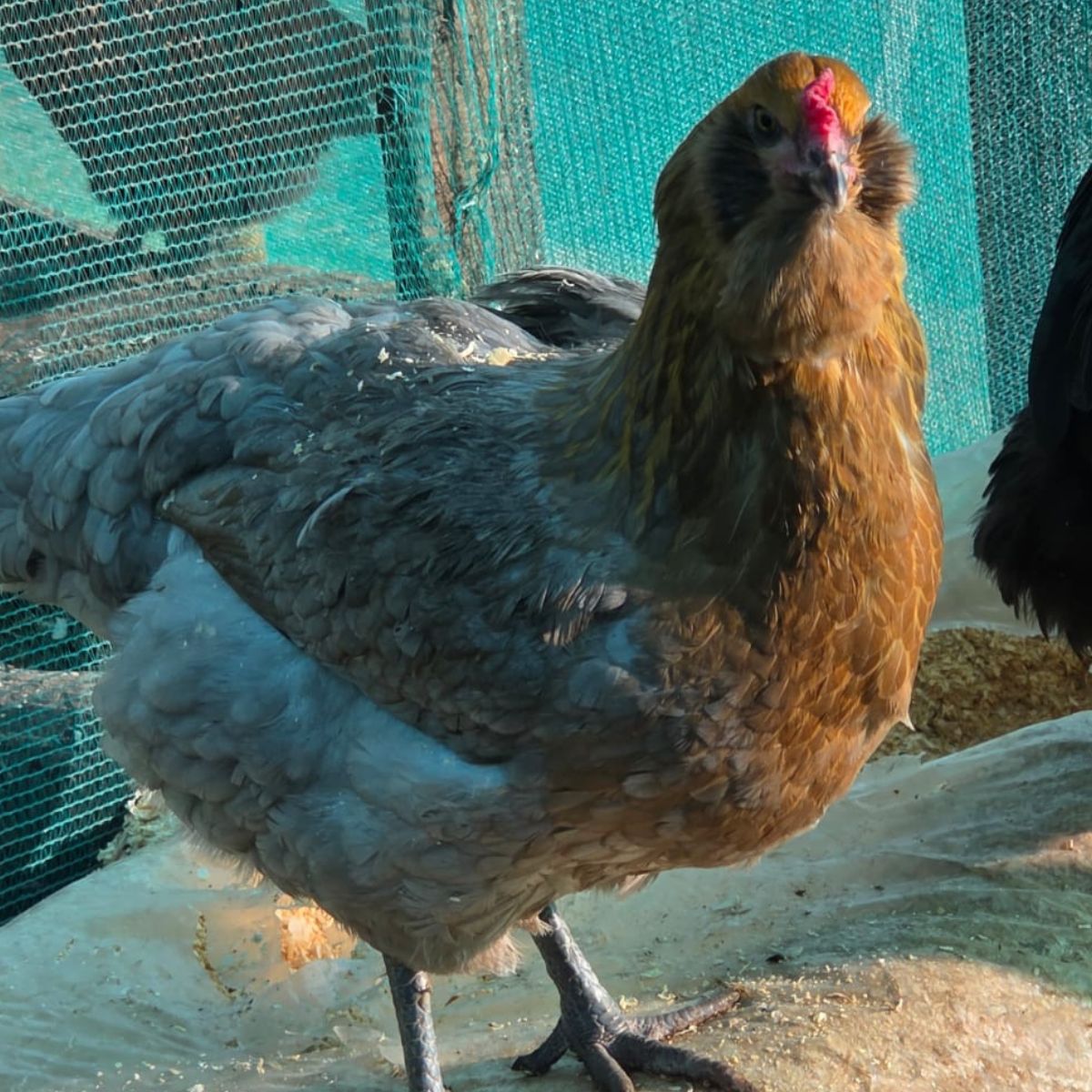
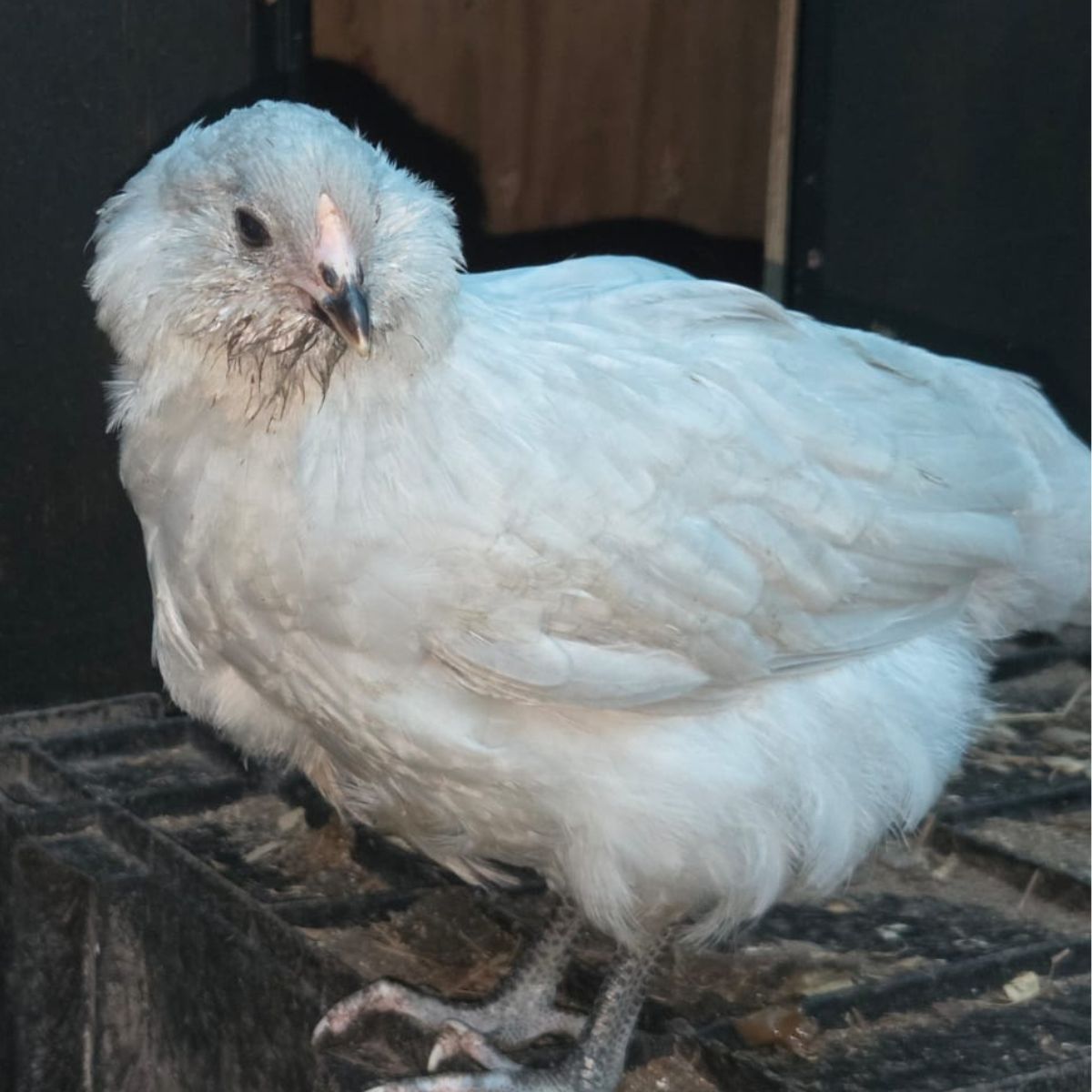
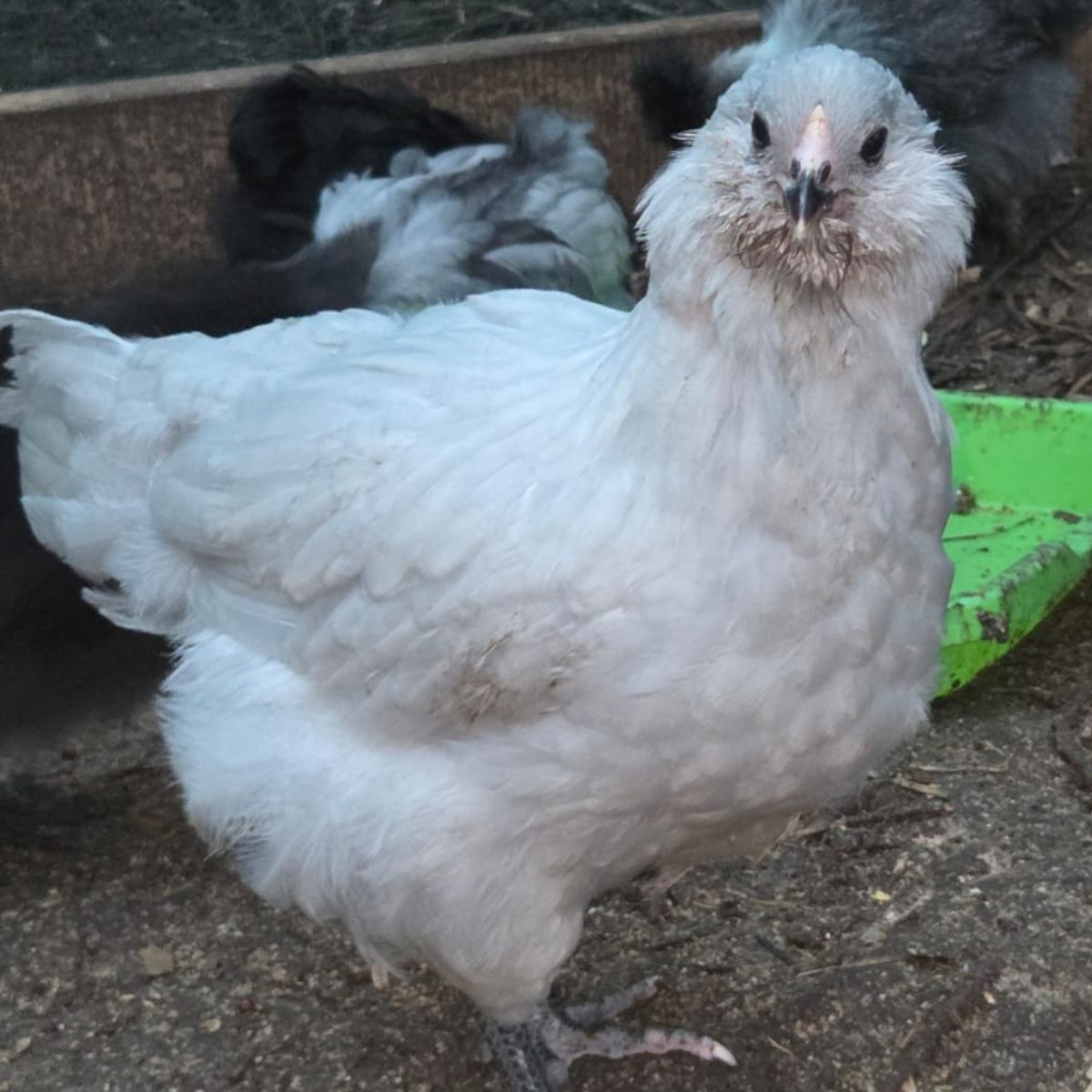
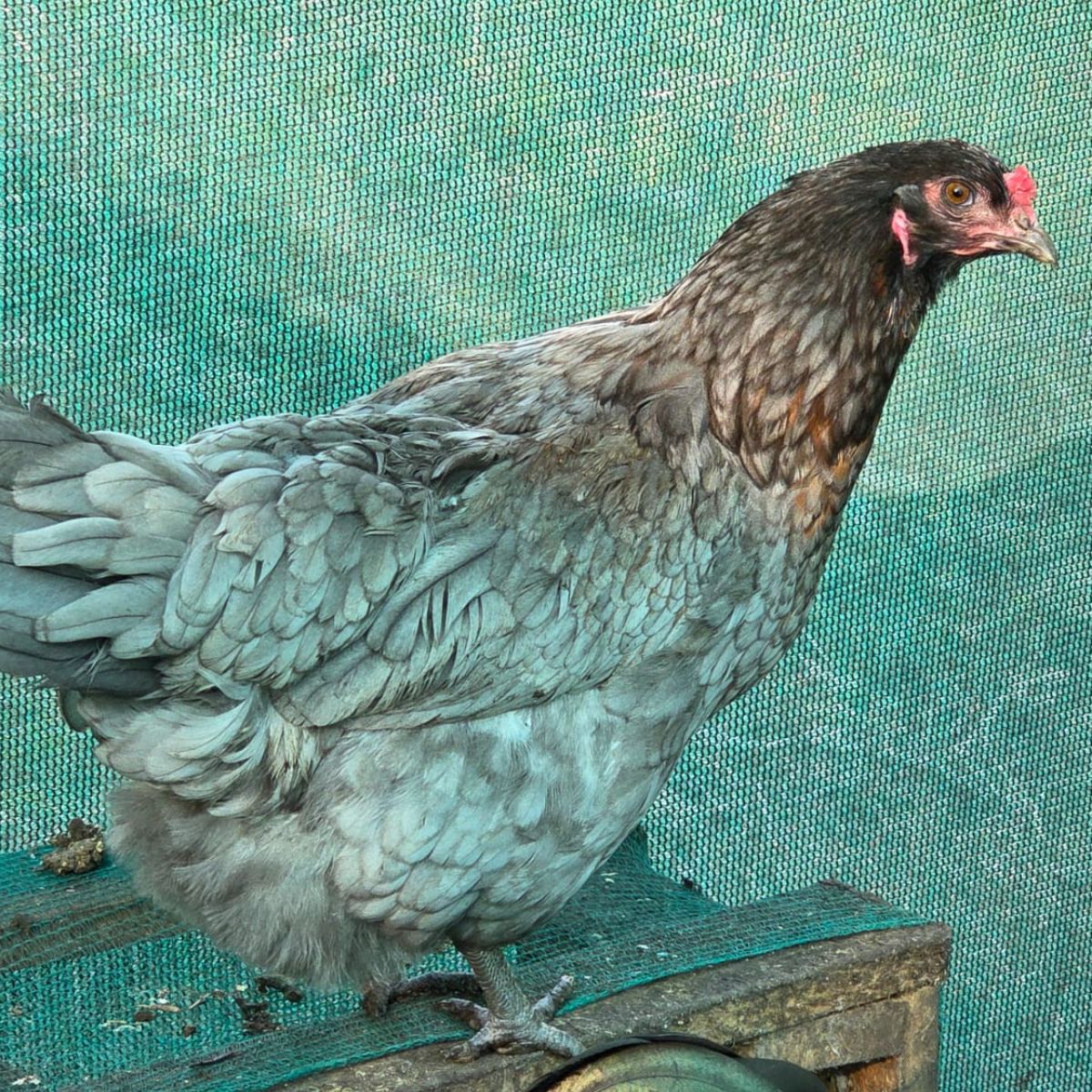
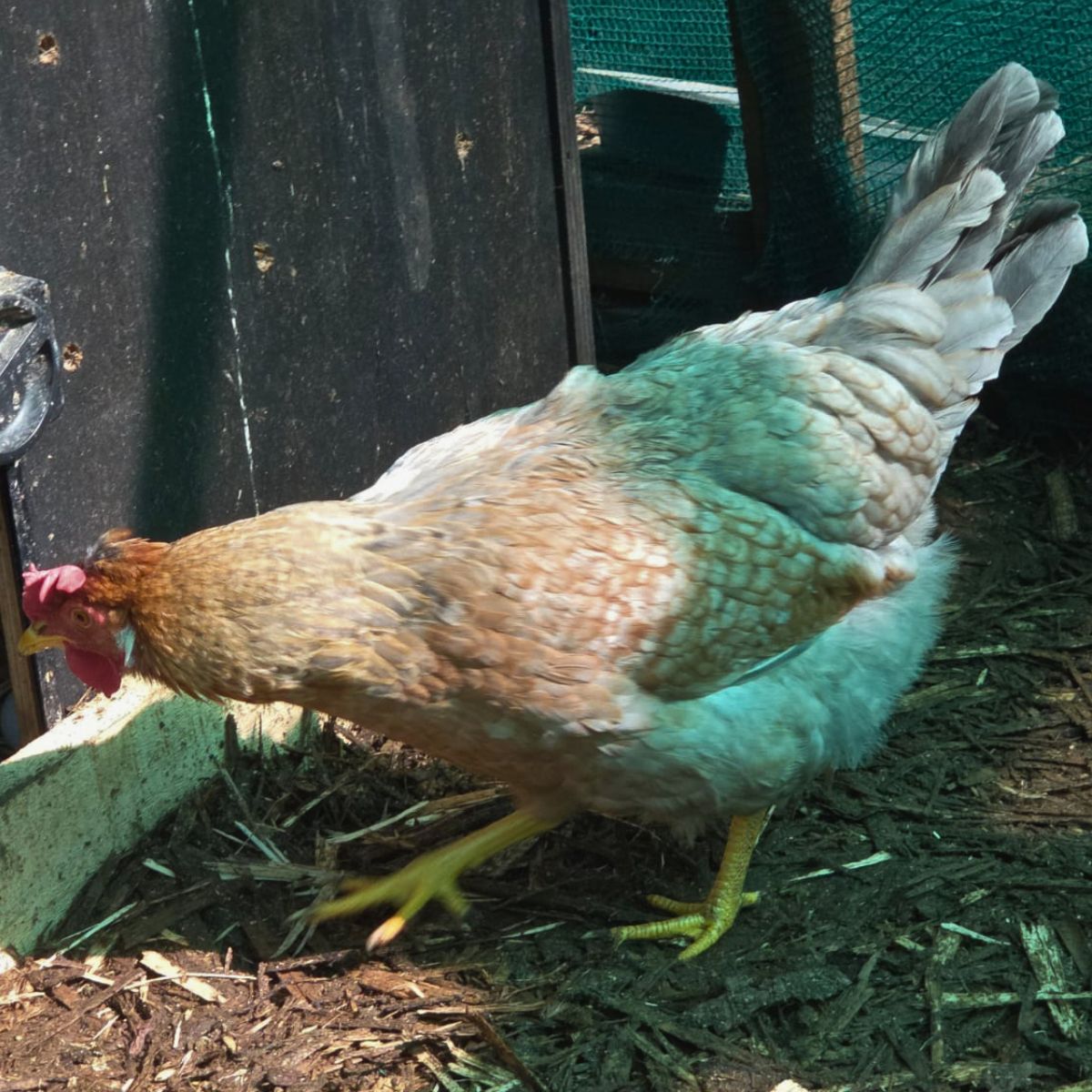
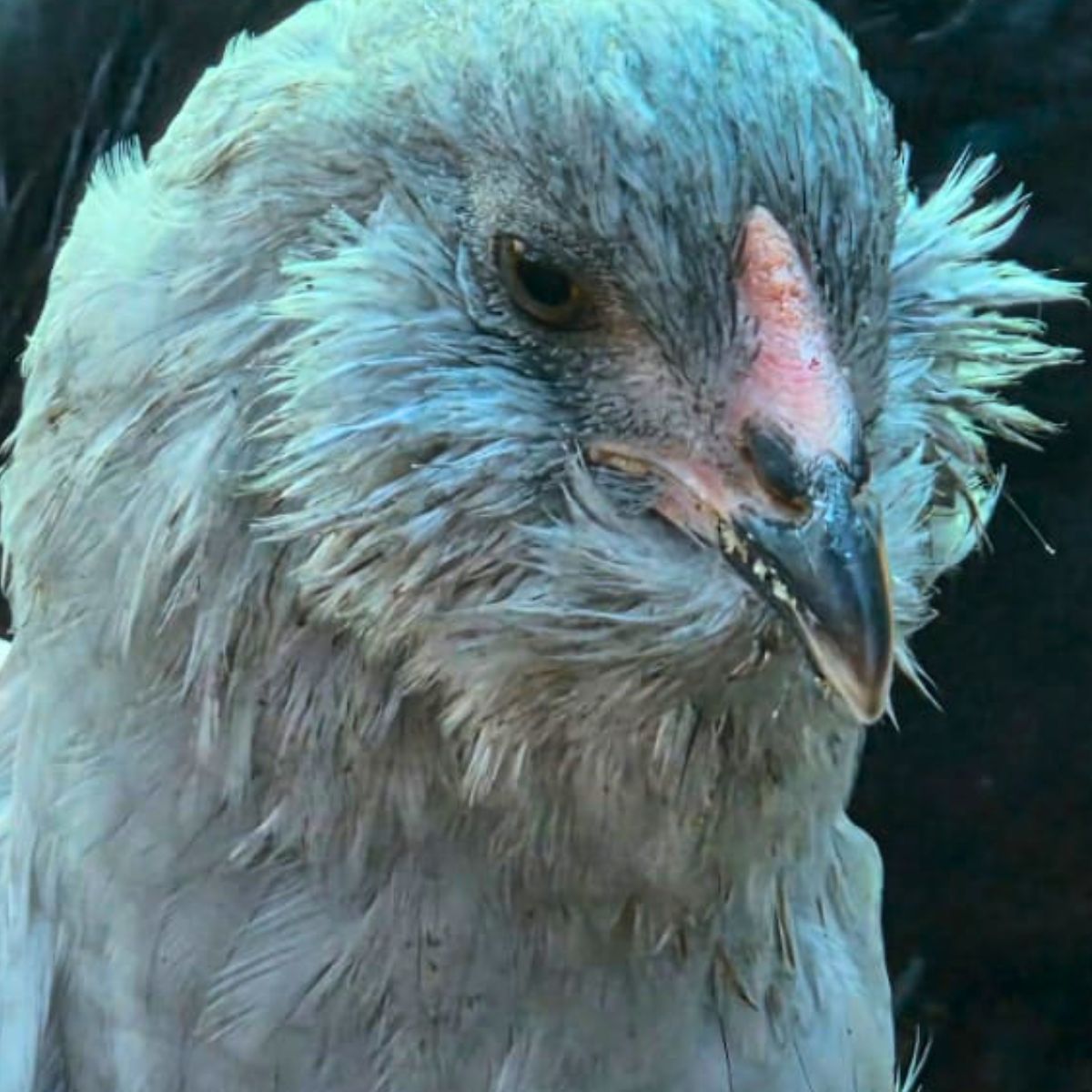
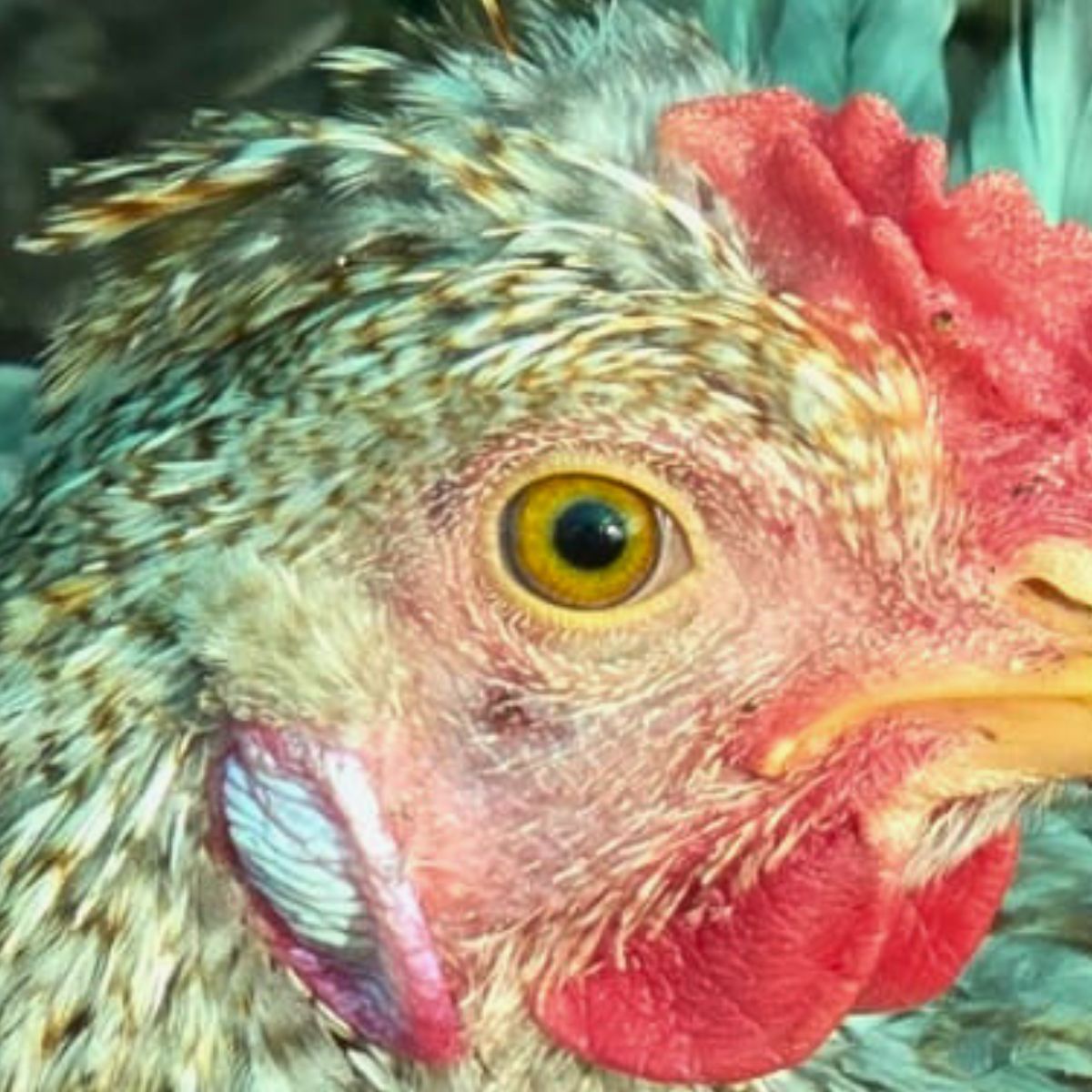
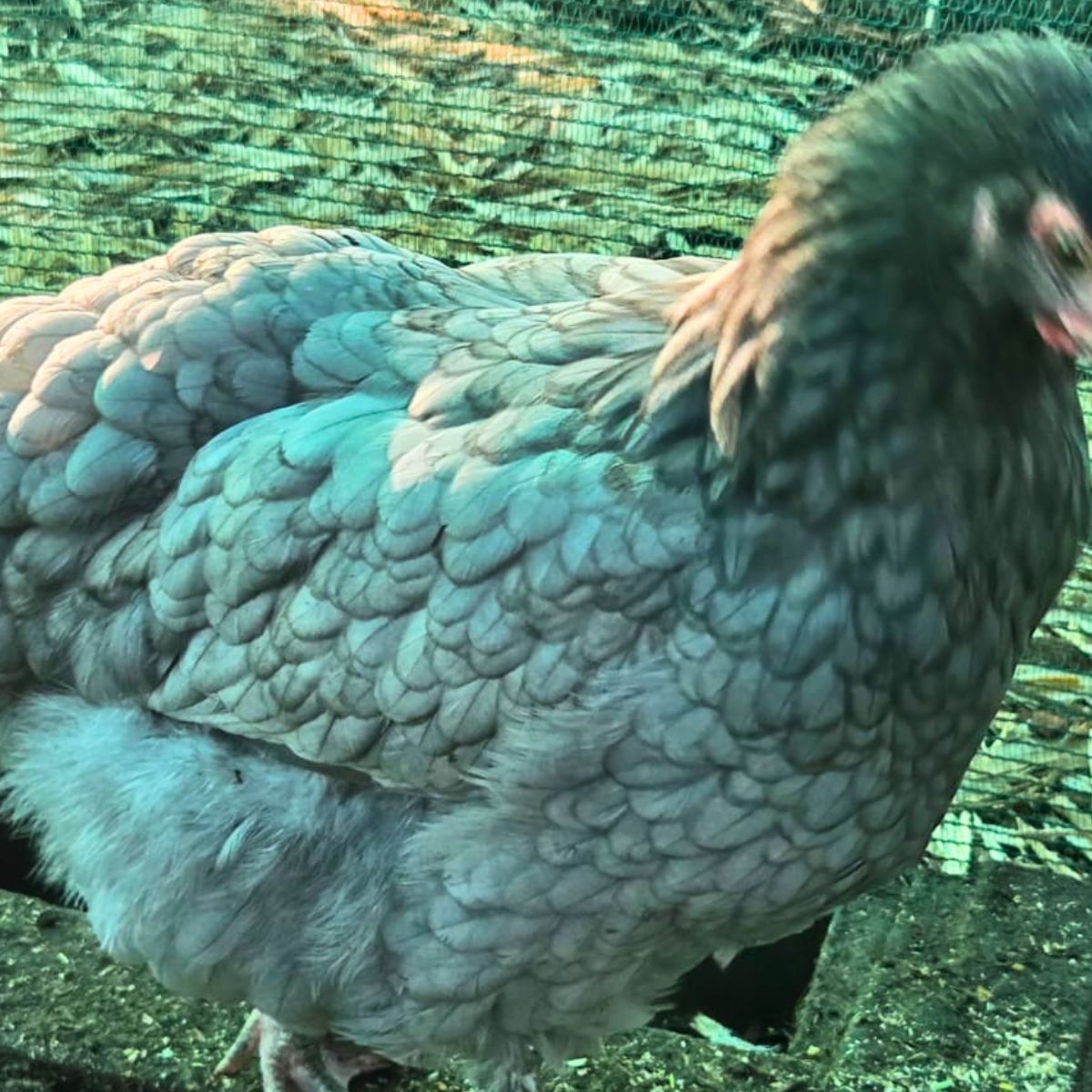
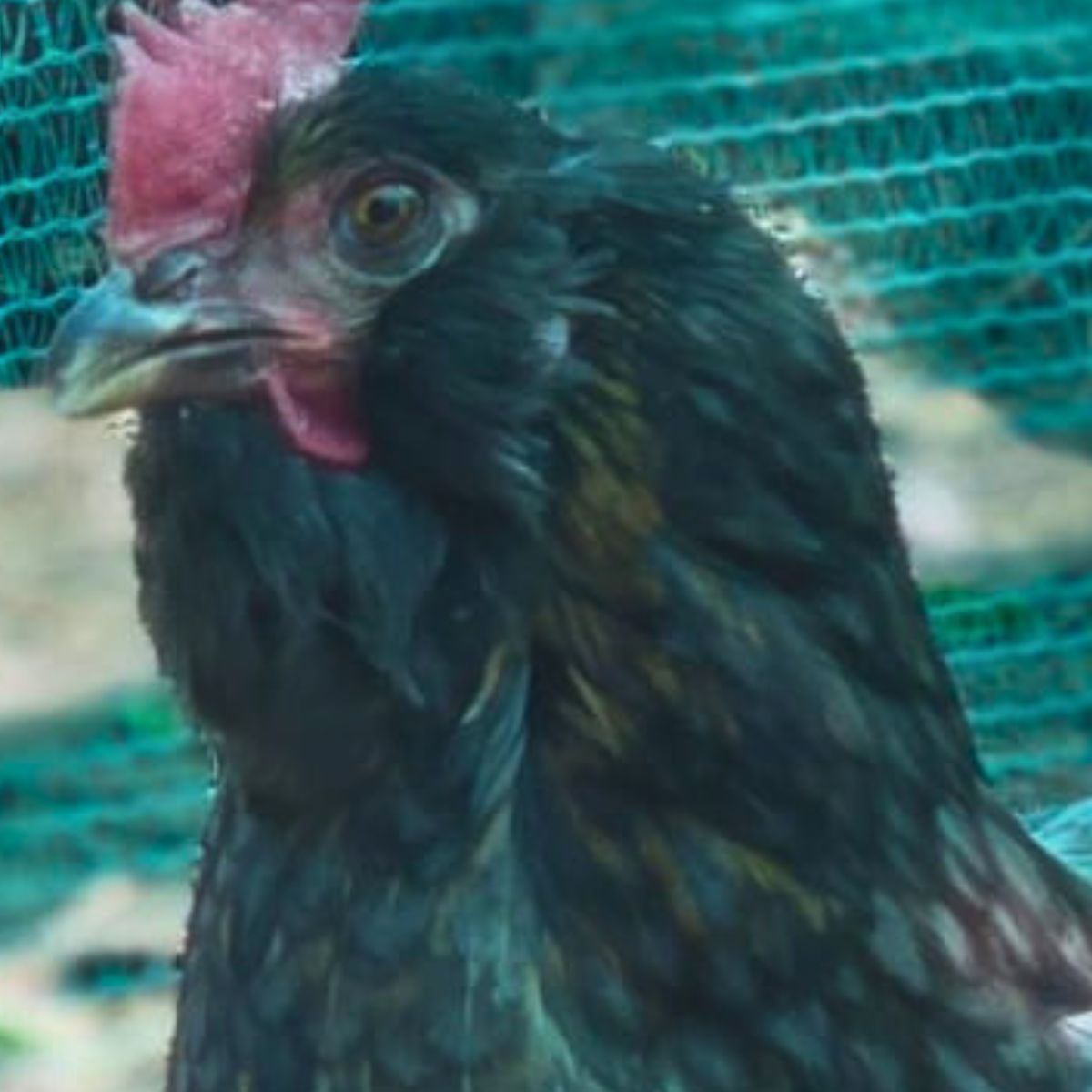
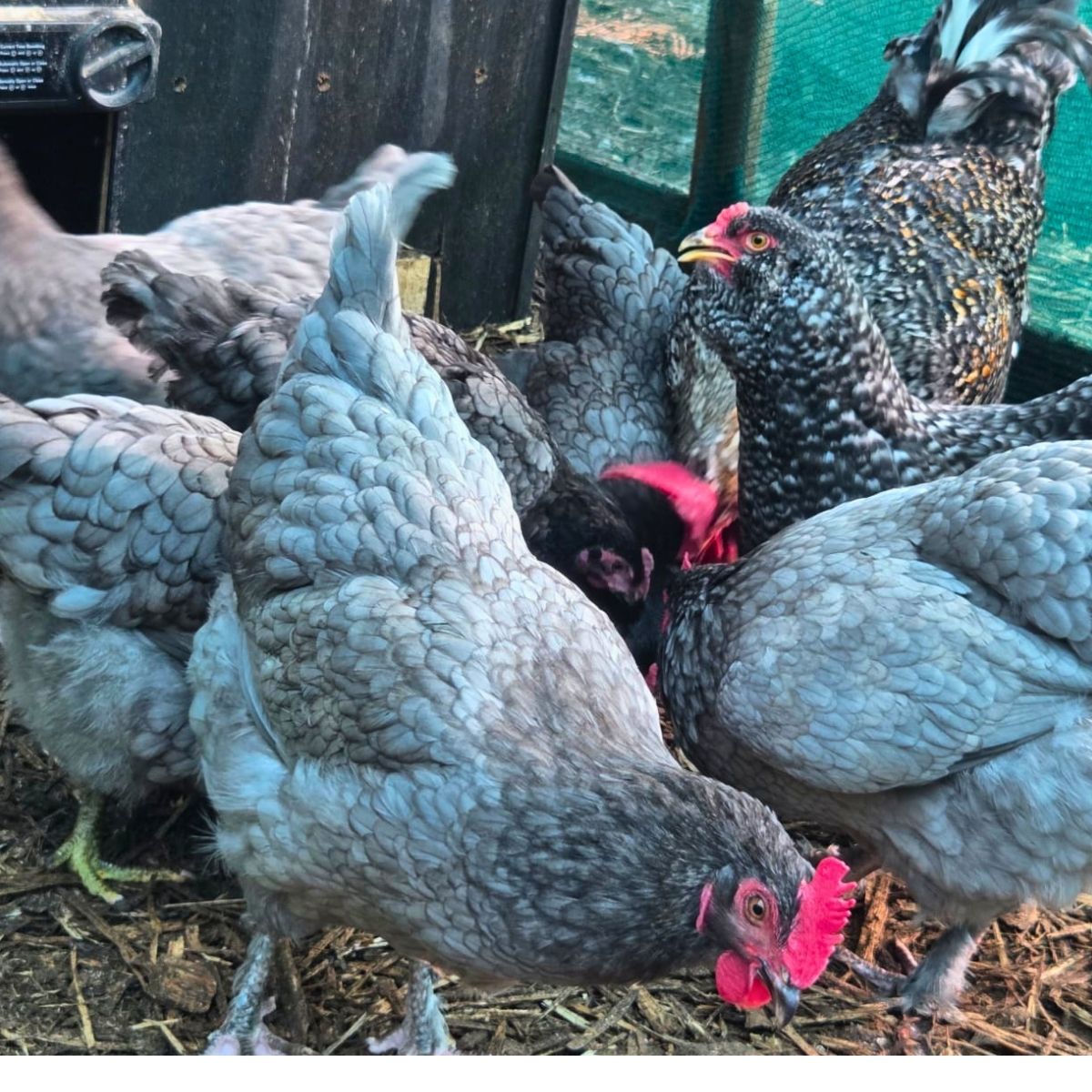
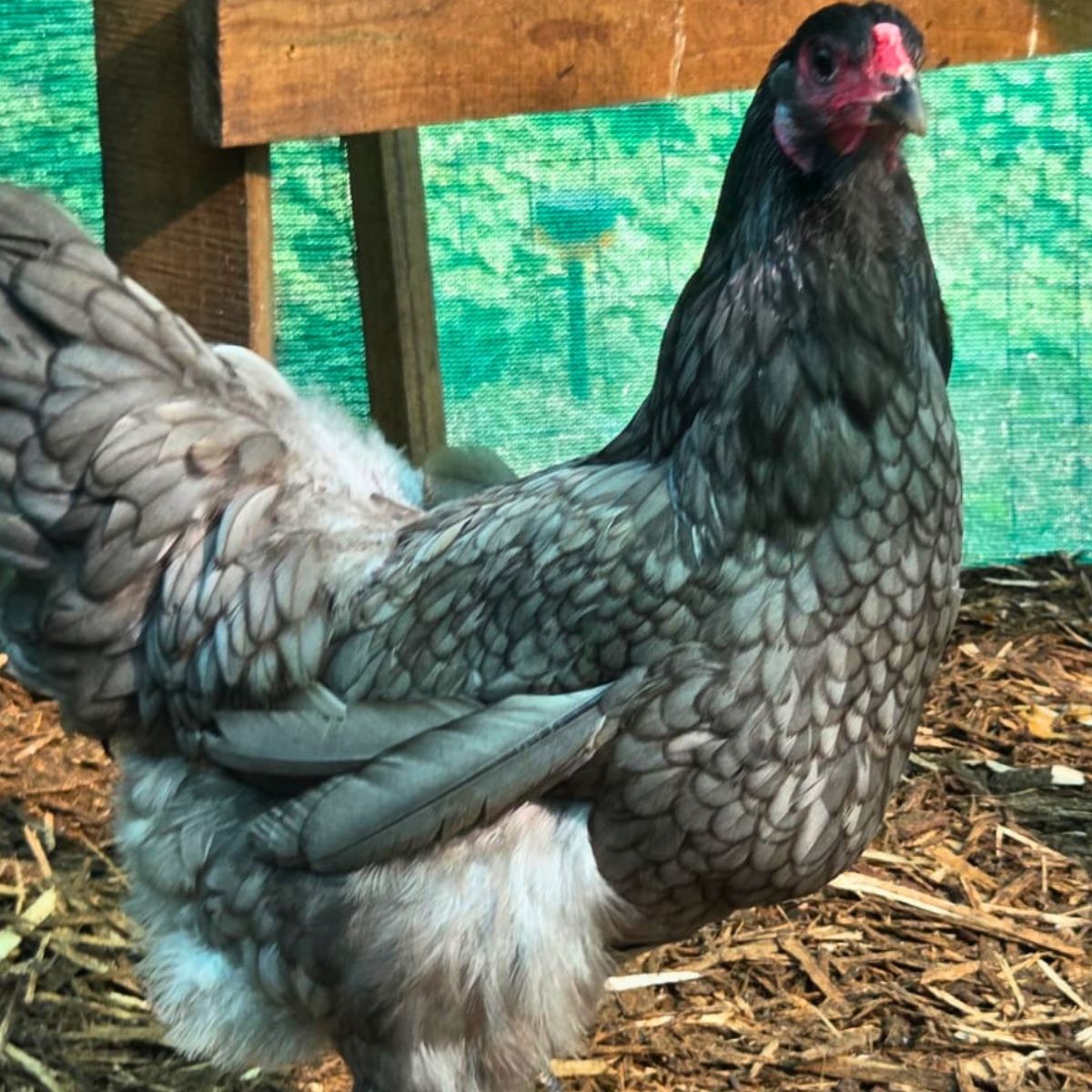
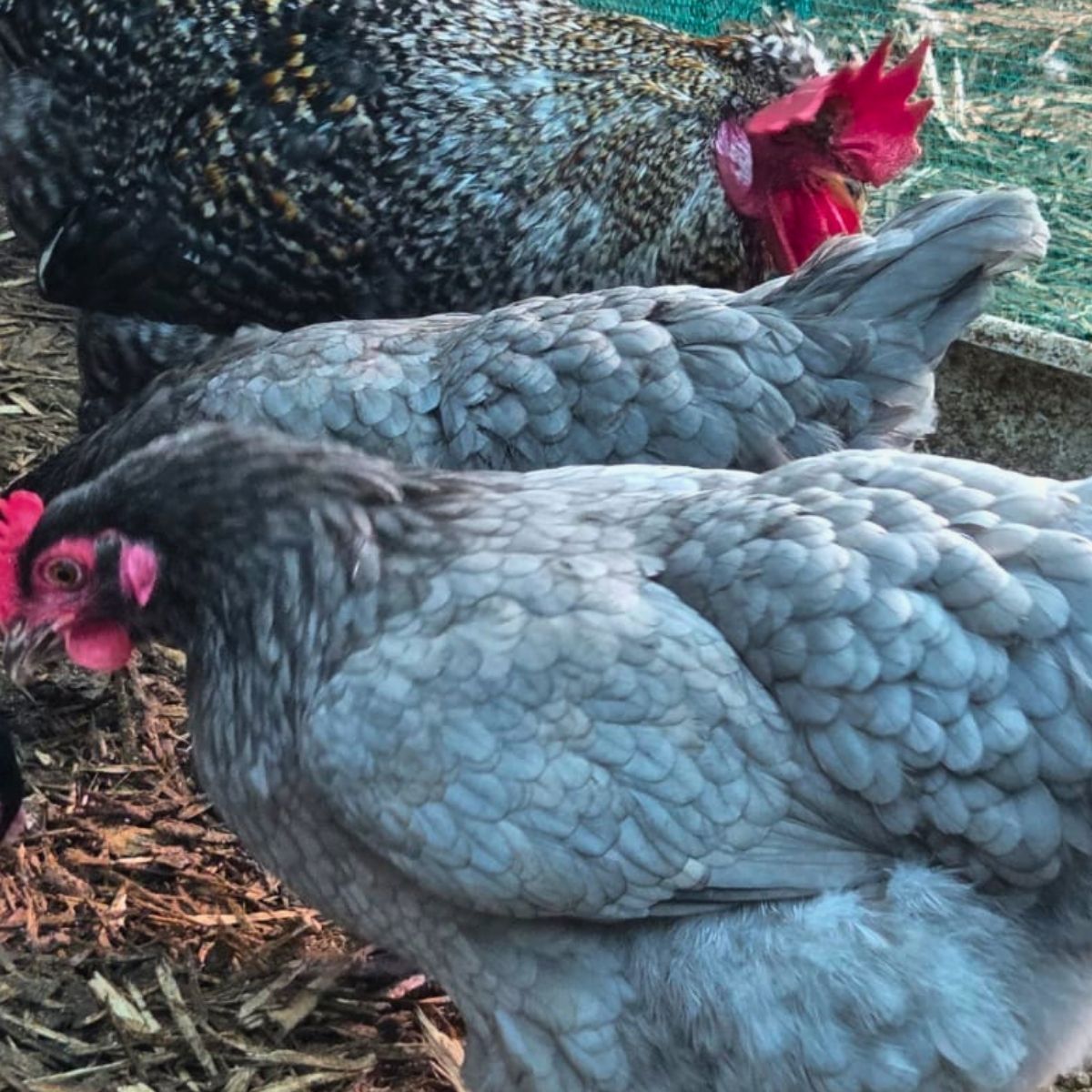
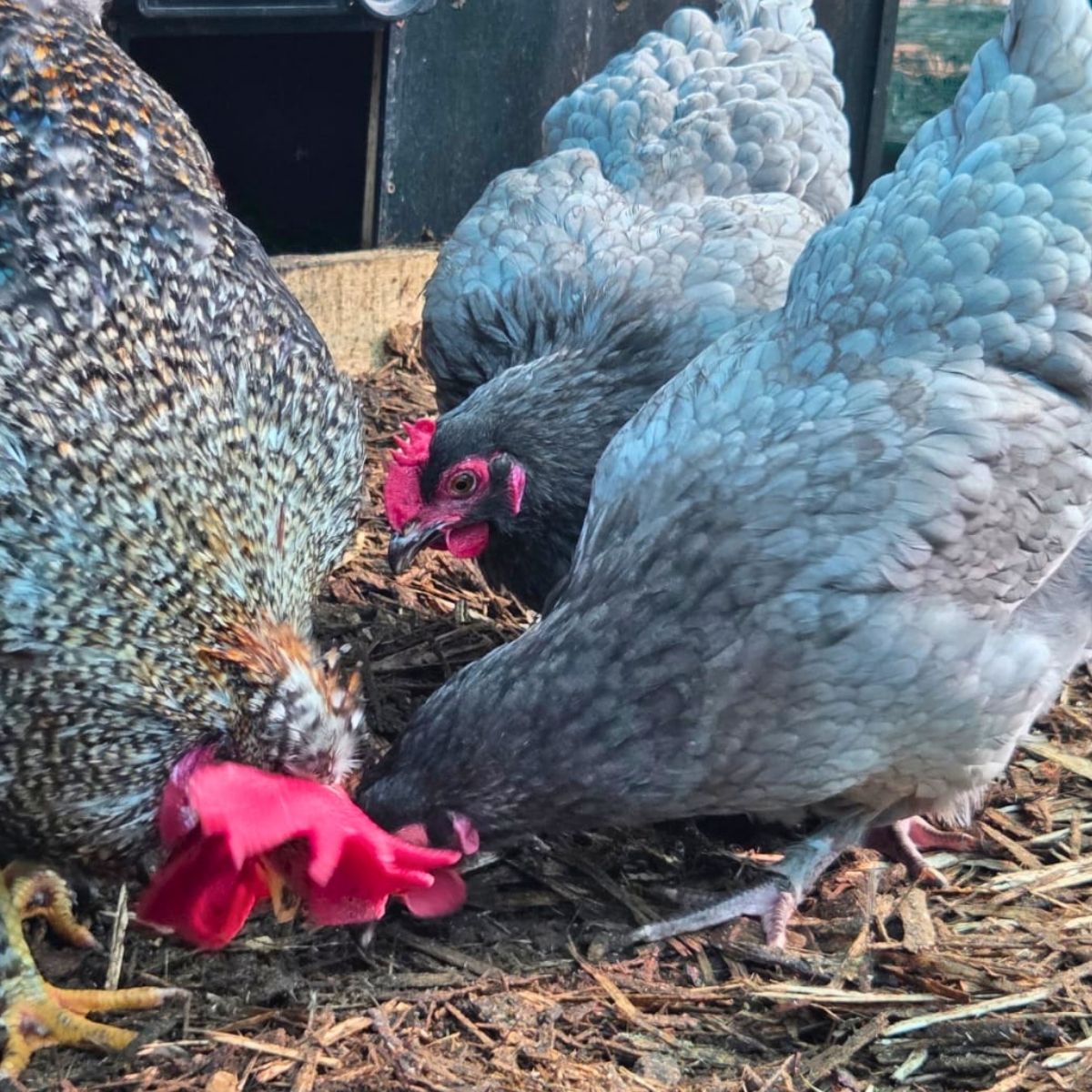
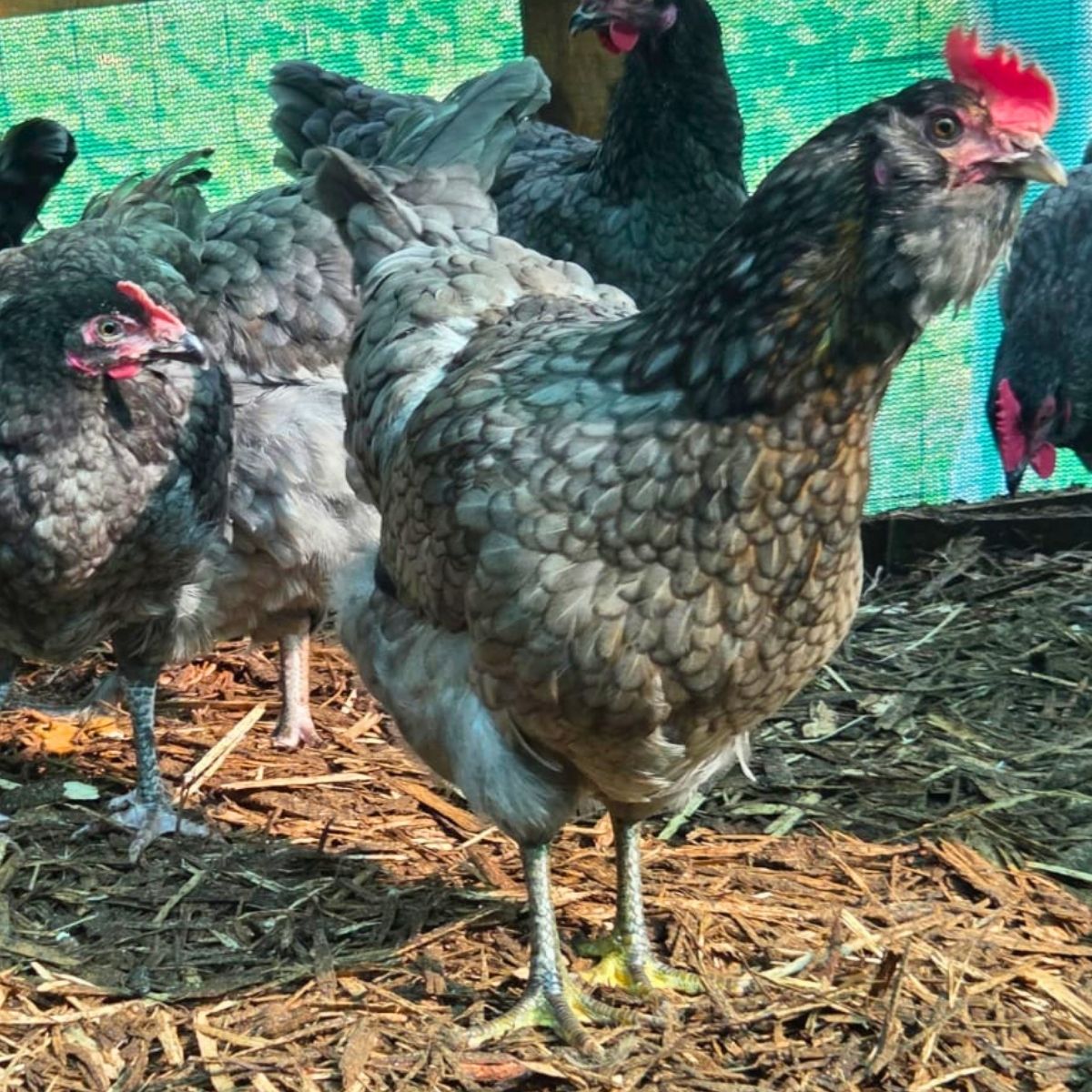
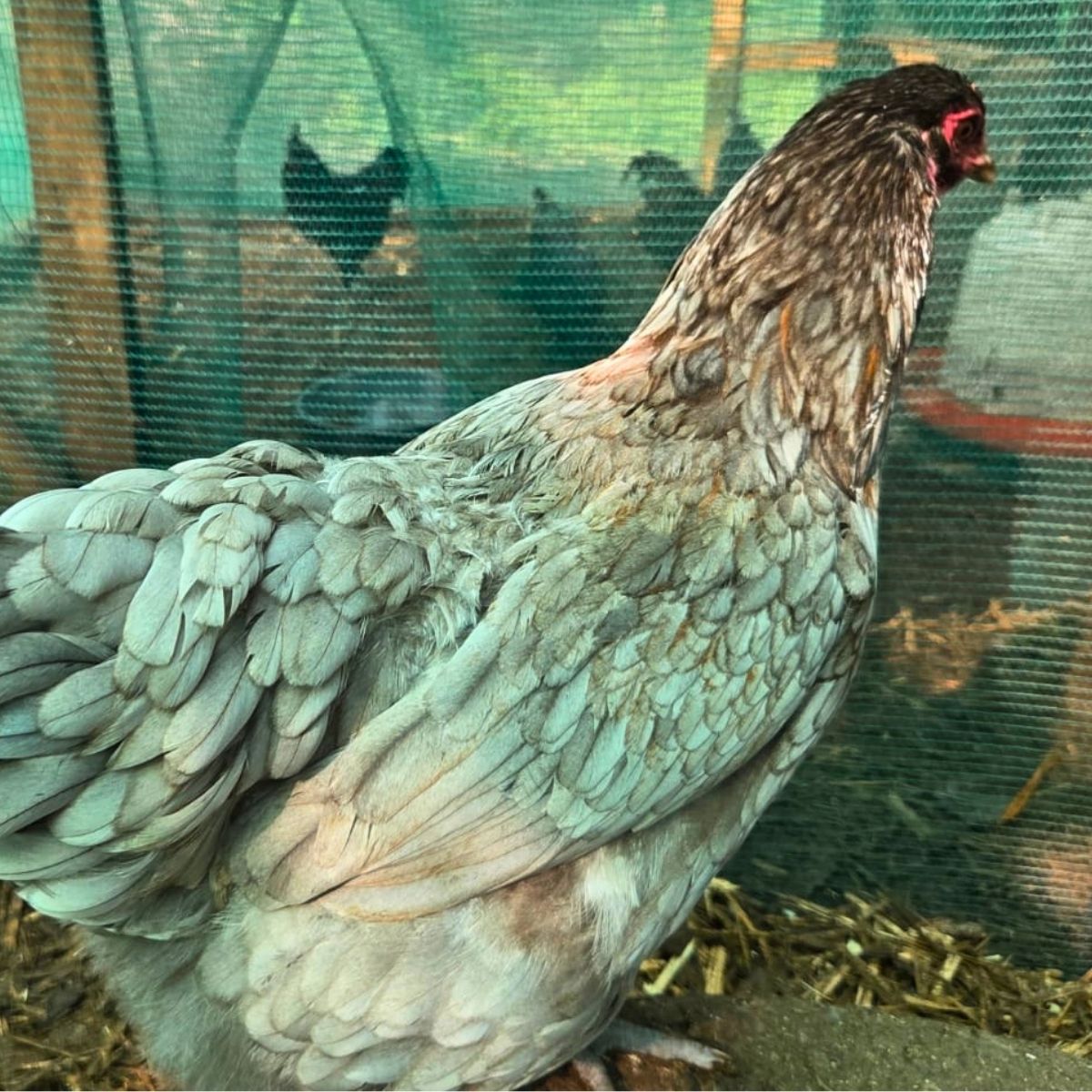
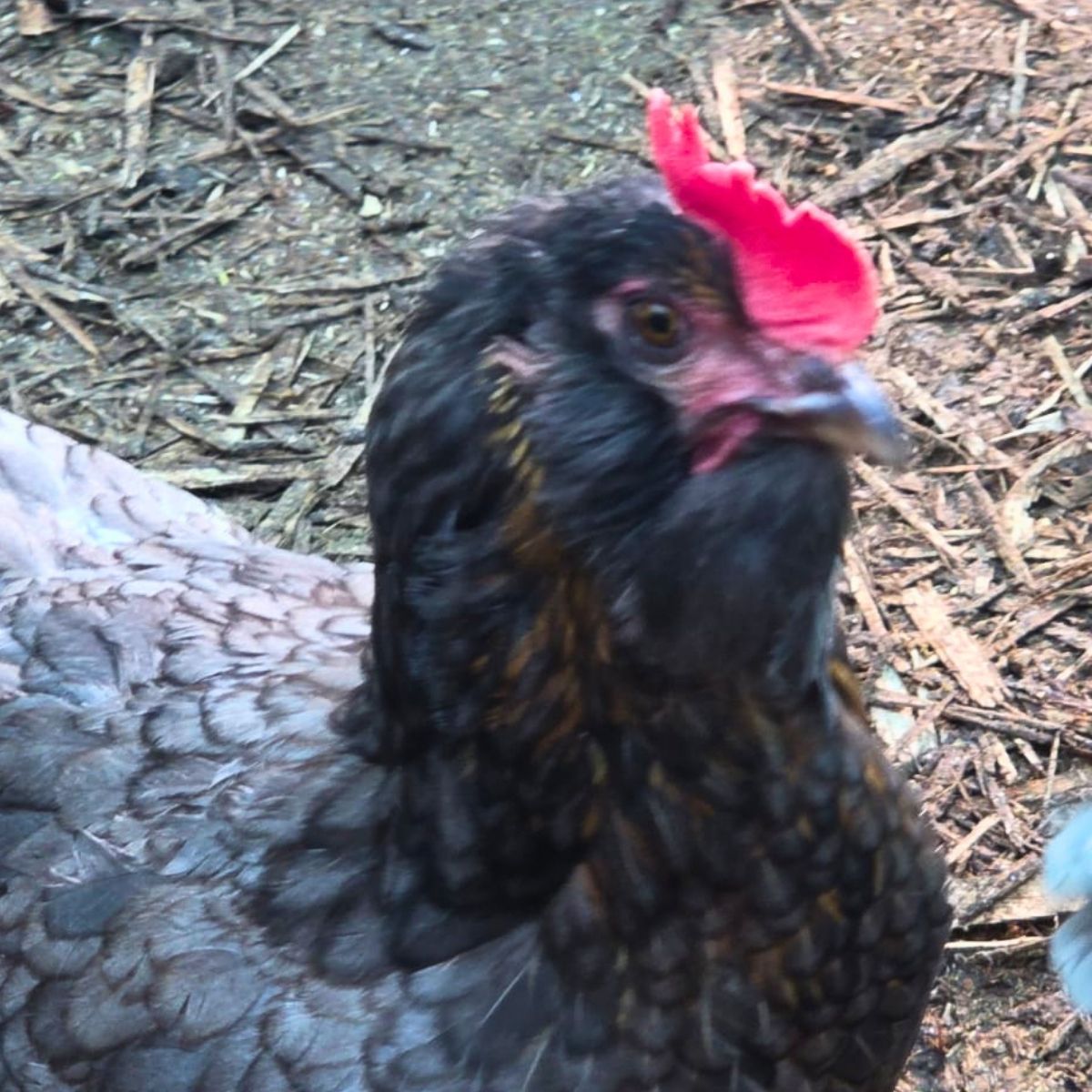
- Blue, grey, laced, dark and mixed-colour parent birds
- Hens currently laying naturally coloured eggs
- A wide variety of potential plumage and physical characteristics
- Carefully managed parent stock selected for health, fertility, temperament and egg colour
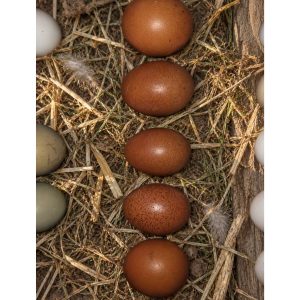
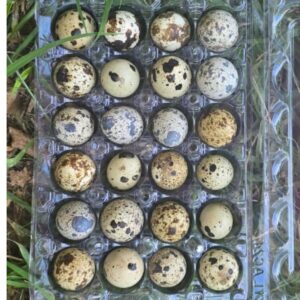
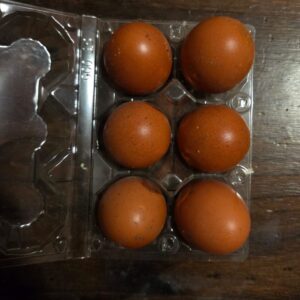
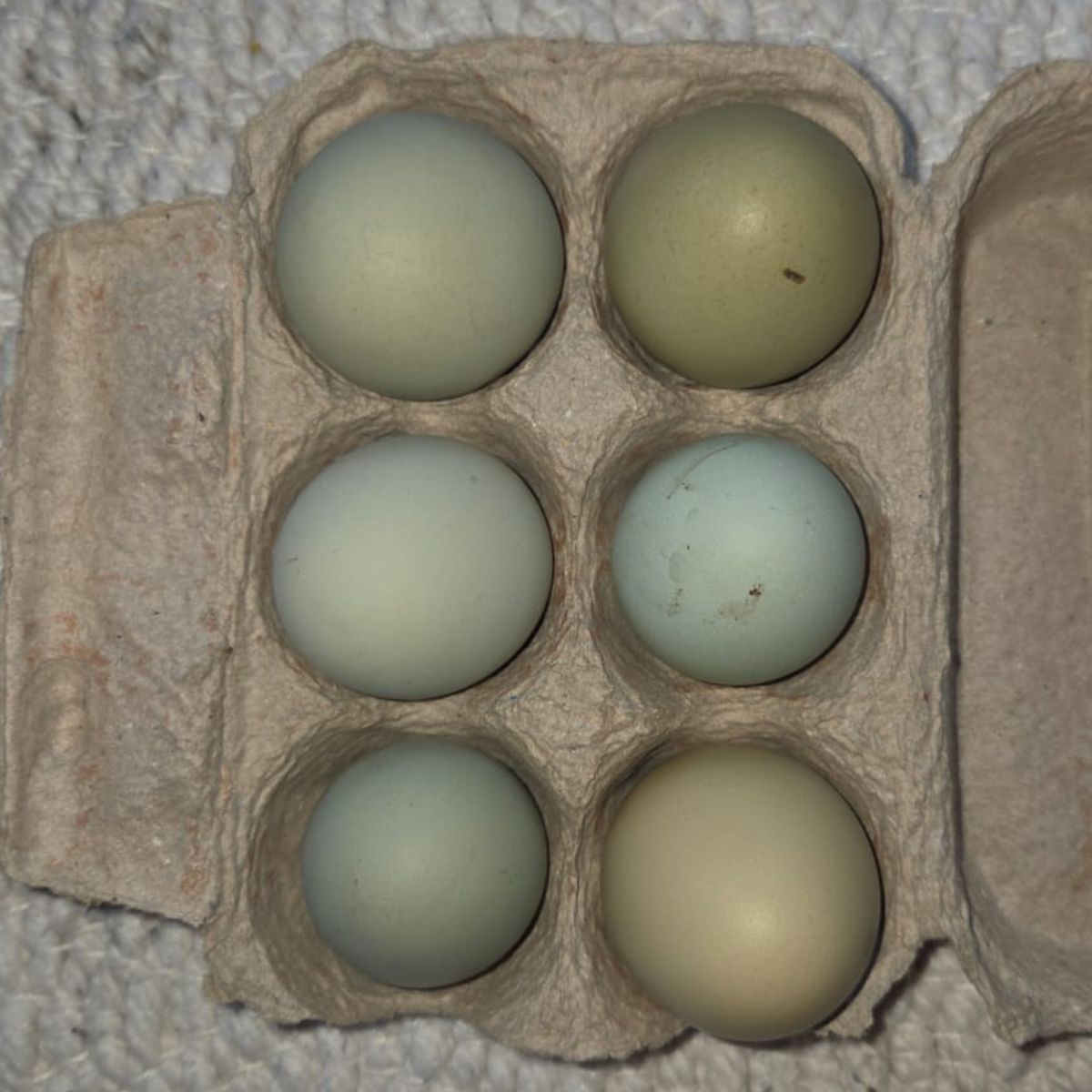
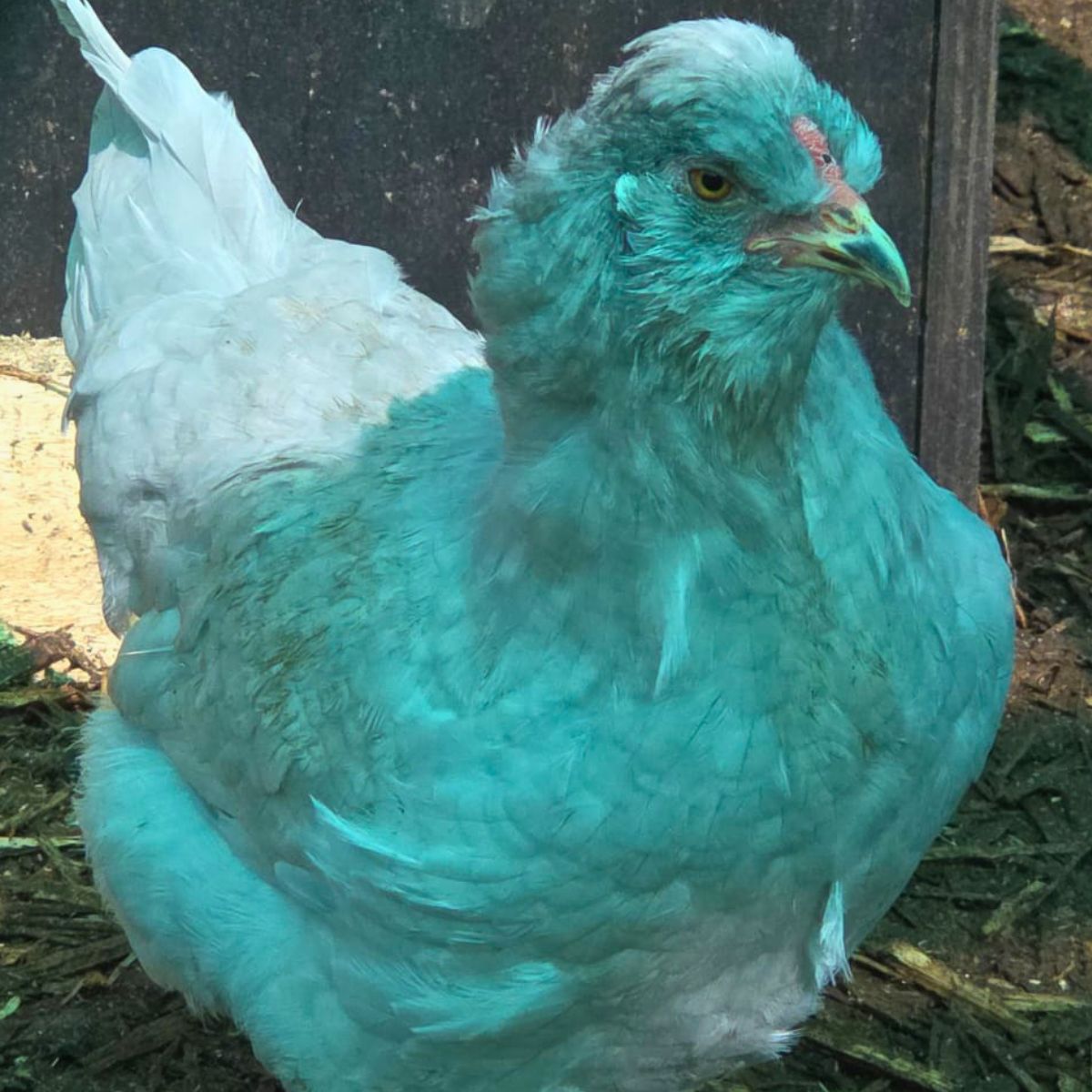
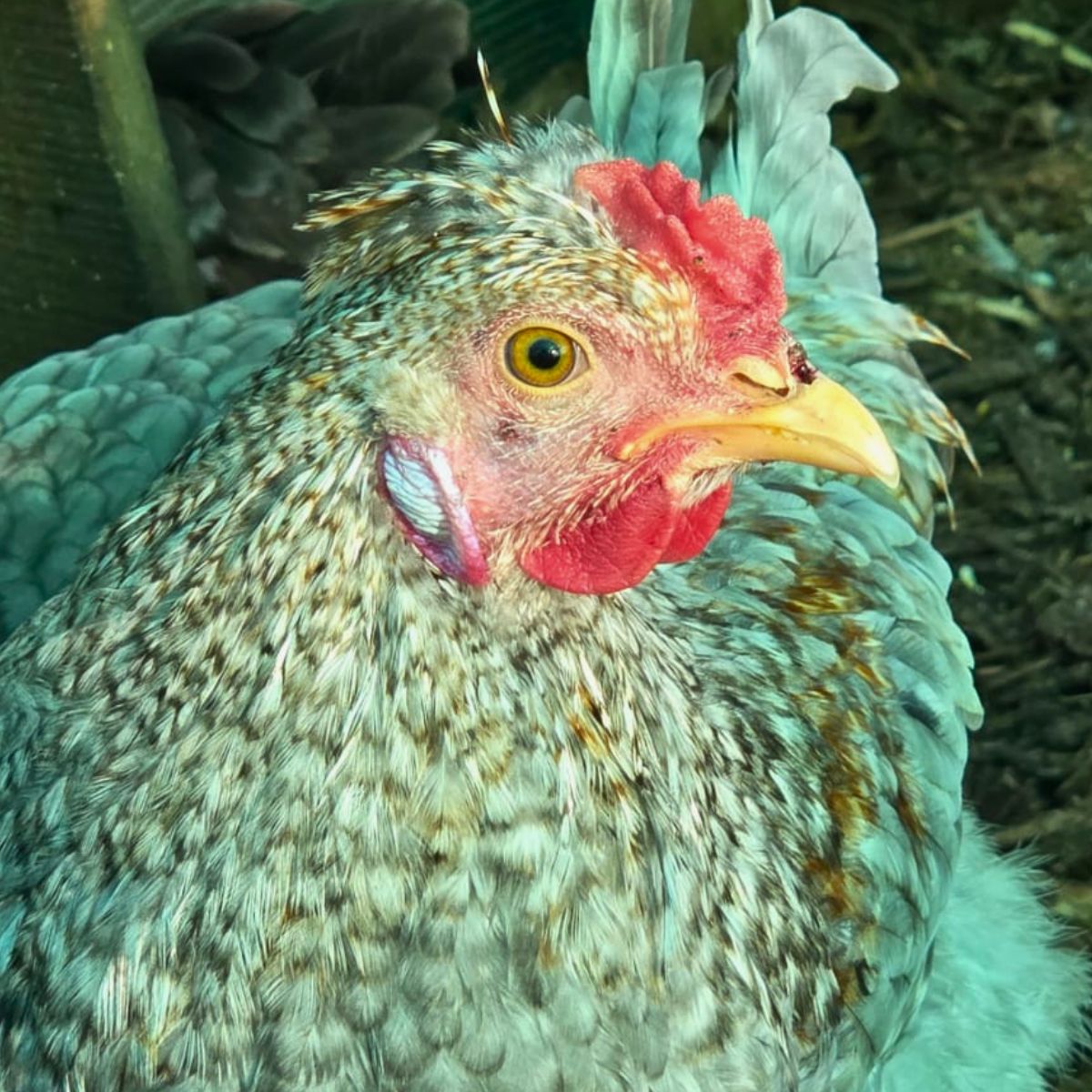
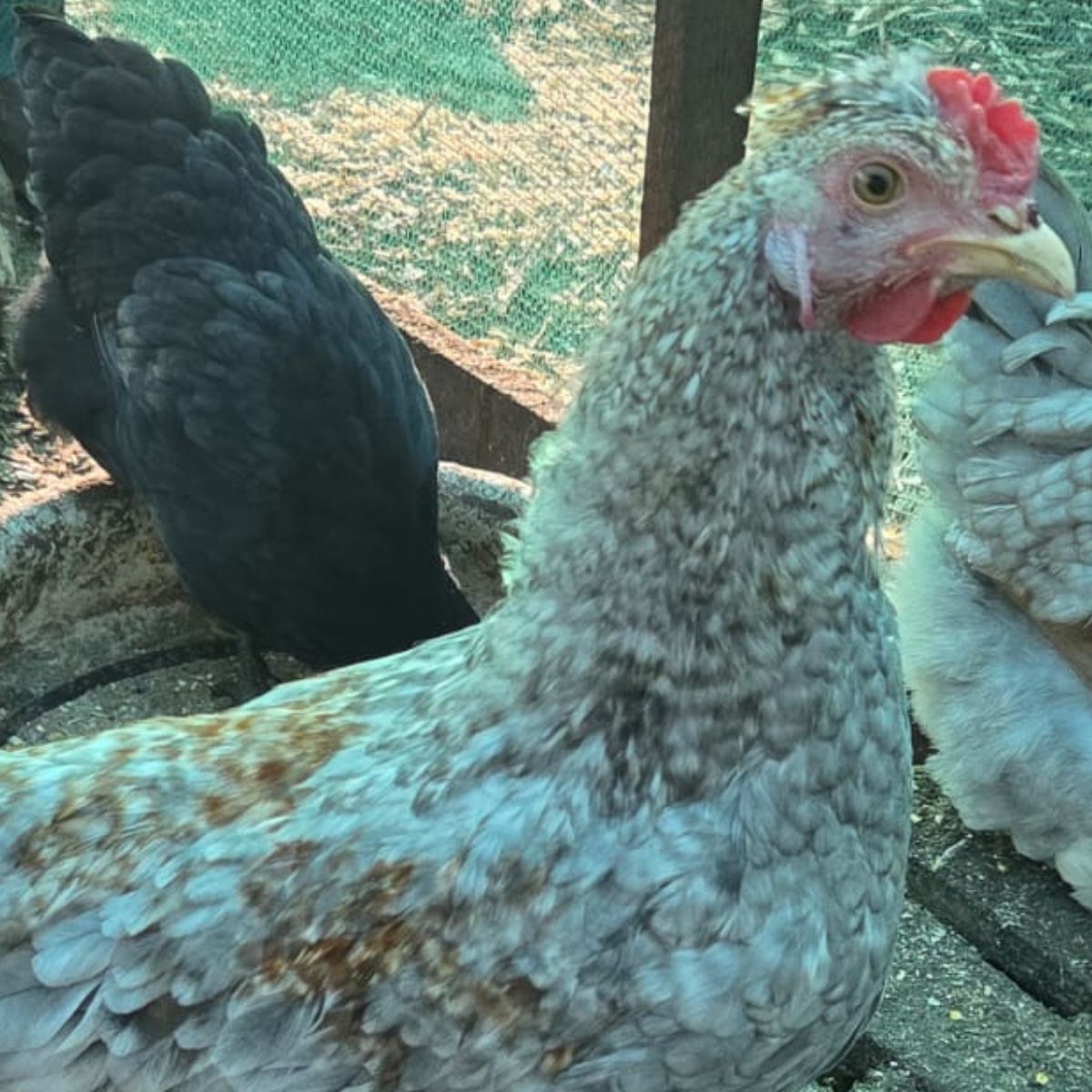
The attached photographs show the actual parent stock and natural egg colours represented within the breeding group.
🌱 Honest First-Generation Colour-Egg Project
This is a newly established, first-generation breeding project at Garden Route Trail Hatch House.
The eggs are offered as an exciting and accessible coloured-egg project—not as eggs from an elite, show-quality or fully stabilised purebred line.
As the project develops, we will continue evaluating offspring for:
- Health and vigour
- Manageable temperament
- Blue and green egg genetics
- Future shell colour
- Attractive feather colours and patterns
- Laying performance
- Suitability for backyard flocks
Because this is a first-generation crossbred project, offspring may display considerable variation. That variety is part of what makes every hatch exciting. 🌈
🎨 Blue and Green Egg Genetics
Our current colour-layer hens produce naturally coloured eggs in shades that may include:
- Blue-green
- Turquoise
- Mint green
- Sage green
- Olive-toned green
- Other related blue and green shades
Future pullets may inherit coloured-shell genetics from both sides of the breeding group. However, the exact shell colour produced by an individual daughter cannot be predicted or guaranteed.
A future hen’s egg colour may be influenced by:
- The combination of shell-colour genes she inherits
- Whether she inherits blue-shell genetics from the sire
- The brown pigment contributed through the maternal line
- Natural genetic variation
- Age, health and condition
- The stage of her laying cycle
- Seasonal and management factors
The colour of the egg from which a chick hatches does not guarantee the exact colour that a female chick will eventually lay.
💡 How Blue and Green Egg Colour Works
Blue shell colour is produced when blue pigment is incorporated throughout the shell as it forms.
Green eggs result when brown pigment is deposited over a genetically blue-based shell. Different combinations and intensities can produce shades ranging from pale blue and turquoise to mint, sage, green and olive.
A hen’s egg colour will usually remain within her characteristic colour family, although the intensity may change during her laying cycle.
🧬 Expected Chick Appearance
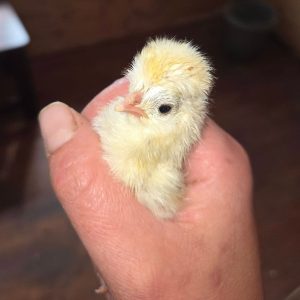
Because these eggs come from a crossbred colour-layer project rather than a fixed pure breed, chicks may hatch and mature with a wide variety of appearances.
Possible plumage colours and patterns include:
- Blue
- Slate grey
- Silver grey
- Black
- Gold or copper
- Barred
- Laced
- Dark or mixed-colour combinations
Some offspring may inherit characteristics associated with the Cream Legbar-type sire, while others may more closely resemble their colour-layer mothers.
Possible variation may include:
- Crested or non-crested offspring
- Different comb shapes
- Varied leg colours
- Different body sizes and shapes
- Solid, barred, laced or mixed plumage
- Gold, copper, silver or darker highlights
Crests, feather patterns, body colour, leg colour and other physical characteristics cannot be guaranteed.
😊 Expected Temperament
The parent flock consists of active, alert and manageable birds kept in a carefully managed breeding environment.
Crossbred offspring may inherit a mixture of behavioural characteristics from both sides of their parentage.
Individual birds may differ in:
- Confidence
- Friendliness
- Foraging behaviour
- Activity level
- Flock position
- Response to handling
Temperament is influenced by genetics, early handling, housing and individual personality.
🥚 Future Egg-Laying Potential
This breeding project aims to produce practical laying birds combined with attractive coloured eggs.
Future pullets may contribute shades such as:
- Pale blue
- Sky blue
- Turquoise
- Mint green
- Sage green
- Blue-green
- Olive-toned green
The mature egg colour and laying ability of an individual pullet cannot be guaranteed. These characteristics depend on inherited genetics, age, season, health, nutrition and management.
We do not guarantee a specific annual egg number or an exact future shell colour.
❤️ Why You’ll Love This Project
- Selected blue and green egg genetics
- Naturally coloured hatching eggs
- Cream Legbar-type rooster over selected colour-layer hens
- Potential for blue, turquoise, mint, sage and green egg-laying daughters
- Wide variety of attractive feather colours and patterns
- Each hatch offers exciting genetic variation
- Actual parent stock and egg colours photographed
- Excellent foundation for building a colourful egg basket
- Quality genetics offered at an accessible price
🌾 Our Specially Developed Parent-Stock Nutrition
Healthy chicks begin with healthy, well-nourished parent birds.
Our colour-layer breeding group receives a specially developed, nutrient-rich feed blend twice daily—morning and afternoon. We have refined this blend over time to support the condition, wellbeing and nutritional requirements of our actively laying breeding flock.
The feeding programme combines carefully selected grains, plant-based protein sources, lucerne, natural fibre, roughage and selected seeds, supported by:
- Feedtek layer supplement
- Camelus layer supplement
- Fresh seasonal greens
- Continuous access to clean drinking water
Our exact feed formulation and mixing ratios remain exclusive to Garden Route Trail Hatch House. They reflect the time, care and practical experience invested in maintaining healthy, well-conditioned parent stock. 🌿
🛡️ Housing and Flock Management
Our parent birds are raised in the Garden Route in spacious, clean and carefully managed housing.
Because predator pressure is high in our area, our breeding birds are safely housed rather than allowed to range without protection.
This allows us to:
- Protect our parent stock from predators
- Maintain controlled breeding groups
- Monitor flock health and condition
- Provide consistent nutrition
- Collect and identify eggs correctly
- Maintain cleaner, safer breeding environments
Our focus is on quality and responsible flock care rather than mass production.
📦 What You Will Receive
Your order includes:
- One fresh fertile hatching egg per unit ordered
- Eggs from our Cream Legbar-type rooster × blue/green colour-layer hen group
- Naturally varied blue, green or related shell colours
- Carefully selected eggs suitable for incubation
- Secure protective packaging for transport
- A helpful fertile egg hatching guide
Eggshell colour naturally differs between hens. The colour of the egg received does not determine the exact future egg colour of the chick inside.
Availability depends on natural laying patterns. A short collection period may be required before your order is ready for collection or dispatch.
🚚 Receiving Transported Hatching Eggs
When your fertile eggs arrive:
- Carefully unpack and inspect each egg.
- Keep the eggs upright with the pointed ends facing downward.
- Allow transported eggs to rest for approximately 12–24 hours.
- Do not wash the eggs, as washing may damage the shell’s natural protective bloom.
- Place the eggs in a clean, stable and correctly calibrated incubator.
Transported fertile eggs should always be handled gently.
🐣 Our Practical Incubation Tips
At Garden Route Trail Hatch House, we prefer a calm, hands-off incubation approach with as little unnecessary handling as possible.
Always follow the instructions supplied by your incubator manufacturer, as incubator designs and settings may differ.
🔥 Days 1–17
- Maintain 37.5–37.7°C in a fan-assisted incubator.
- Maintain humidity at approximately 45–55%.
- Ensure the eggs are turned regularly.
- Avoid opening the incubator unnecessarily.
- Keep temperature, humidity and ventilation stable.
Although many guides recommend candling on Days 7 and 14, we personally prefer to leave the eggs undisturbed until lockdown on Day 18.
Remove an egg carefully if it develops a bad smell, begins leaking or appears damaged.
🔦 Day 18: Candle and Prepare for Lockdown
On Day 18:
- Carefully remove the eggs.
- Remove the automatic turning tray.
- Candle each egg.
- Remove eggs that are clearly undeveloped or have stopped developing.
- Keep any egg if you are uncertain about its development.
- Return developing eggs promptly and place them on their sides.
- Stop turning the eggs.
- Add water according to the incubator manufacturer’s instructions.
- Increase humidity to approximately 65–70%.
- Confirm that all ventilation openings remain unobstructed.
Dark green or olive-toned eggs can be difficult to candle. Use a strong candling light in a dark room and do not discard an egg if development cannot be determined confidently.
🧻 Prepare the Lockdown Floor
We place a single, flat layer of paper towel over the lockdown floor to provide better grip for newly hatched chicks.
Only do this if it is suitable for your incubator. Never cover:
- Ventilation openings
- Fans
- Sensors
- Water channels
- Heating components
The paper towel must lie completely flat and must not interfere with airflow or humidity.
🔒 Keep the Incubator Closed
Once lockdown begins, avoid opening the incubator unnecessarily.
Opening the lid may cause a sudden loss of heat and humidity. This can dry exposed membranes around pipped chicks and contribute to shrink-wrapping.
Some chicks hatch quickly, while others rest for extended periods between pipping, zipping and emerging. Patience is extremely important.
⚠️ Assisted Hatching
We do not recommend routinely opening unhatched eggs or assisting chicks simply because they appear to be taking a long time.
A chick that is not ready may still have active blood vessels, unabsorbed yolk or an incomplete navel. Premature assistance can cause bleeding, infection, injury or death.
Assistance should only be considered cautiously when:
- The chick has already begun zipping
- The membrane has visibly dried around the chick
- The chick appears genuinely trapped rather than resting
- No active blood vessels or fresh bleeding are visible
- The person assisting understands the risks
Never pull a chick from an egg if active blood vessels, fresh bleeding or unabsorbed yolk are visible.
🐥 After Hatching
Leave newly hatched chicks inside the incubator until they are dry and fluffy.
We prefer to wait until the majority of the chicks have hatched and dried before opening the incubator. Frequently opening it to remove individual chicks may lower humidity and place pipped eggs at risk of drying out.
Move dry chicks gently into a clean, pre-warmed brooder with:
- A safe heat source
- Clean drinking water
- Suitable chick starter feed
- A dry, non-slip floor
- Protection from draughts and predators
⚠️ Genetics, Fertility and Hatching Disclaimer
This is a first-generation crossbred colour-egg project. Considerable variation should be expected.
We maintain active breeding groups for the production of fertile eggs and carefully inspect eggs before packing. However, fertility and successful hatching cannot be guaranteed.
Results may be affected by:
- Natural genetic variation
- Courier handling and transport
- Temperature fluctuations
- Egg storage and resting time
- Incubator calibration
- Humidity and ventilation
- Turning practices
- Power interruptions
- Individual embryo development
Chick colour, pattern, crest, leg colour, sex, temperament, adult appearance, future shell colour, laying performance, fertility and hatch results cannot be guaranteed.
🌿 Raised with Care in the Garden Route
At Garden Route Trail Hatch House, our chickens are valued as living animals and treated with care and respect.
We focus on:
- Suitable, well-managed housing
- Quality parent-stock nutrition
- Clean drinking water
- Predator protection
- Responsible flock management
- Interesting and diverse genetics
- The long-term wellbeing of our breeding birds
Our goal is to supply carefully selected coloured-egg fertile hatching eggs in South Africa while sharing the rewarding experience of home hatching with poultry enthusiasts.
📍 Collection and Nationwide Delivery
- Collection in Barrington, near Sedgefield, by prior arrangement
- Local delivery within Sedgefield may be arranged
- Secure courier delivery is available nationwide throughout South Africa
- Courier and protective packaging costs are calculated separately
Please provide the correct delivery address and contact number when placing your order.
❓ Frequently Asked Questions
Is the displayed price for one egg?
Yes. The displayed product price is for one individual fertile hatching egg. Select the required quantity before adding the eggs to your basket.
Are these purebred Cream Legbars?
No. These are intentionally crossbred fertile eggs from a Cream Legbar-type rooster paired with selected blue and green colour-layer hens.
What colour eggs do the current hens lay?
The hens currently produce natural shades that may include blue-green, turquoise, mint, sage and olive-toned green.
Will every daughter lay a blue or green egg?
No. The offspring have coloured-egg potential, but the exact genes inherited by each chick and the mature shell colour of individual daughters cannot be guaranteed.
Will the chicks have crests?
Some chicks may inherit crests or other Cream Legbar-type characteristics, while others may not. Crests cannot be guaranteed.
What will the chicks look like?
Chicks may display blue, grey, black, silver, gold, copper, barred, laced or mixed plumage. Every hatch may be different.
Is this an established show-quality line?
No. This is a newly established, first-generation colour-egg project. It is not marketed as an elite, show-quality or fully stabilised purebred line.
How long do the eggs take to hatch?
Chicken eggs typically hatch around Day 21, although individual chicks may hatch slightly earlier or later.
Do you deliver nationwide?
Yes. Secure courier delivery is available throughout South Africa, subject to courier coverage for the destination.
⭐ Build Your Own Colourful Egg Basket
Egg production is naturally limited, and orders are processed on a first-come, first-served basis.
Order your Cream Legbar-type cross fertile hatching eggs and enjoy the excitement of hatching genetically diverse birds with the potential to produce beautiful blue, turquoise, mint, sage and green eggs. 💙💚🥚🐣