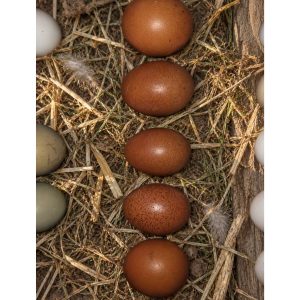
 Blue Marans × Black Copper Marans Fertile Eggs 💙🍫🥚🐣 (PRICE IS PER EGG)
 Subtotal: R45,00

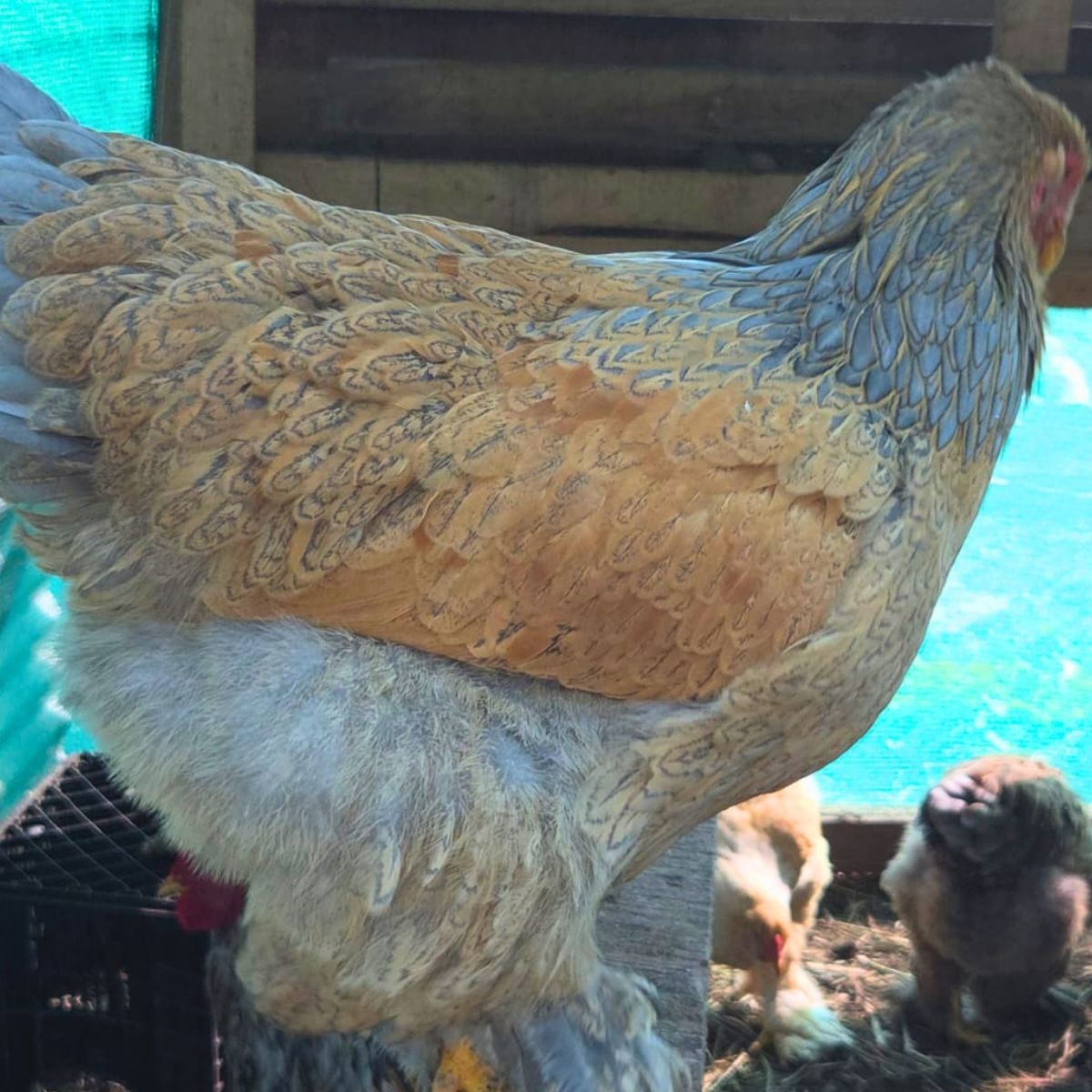
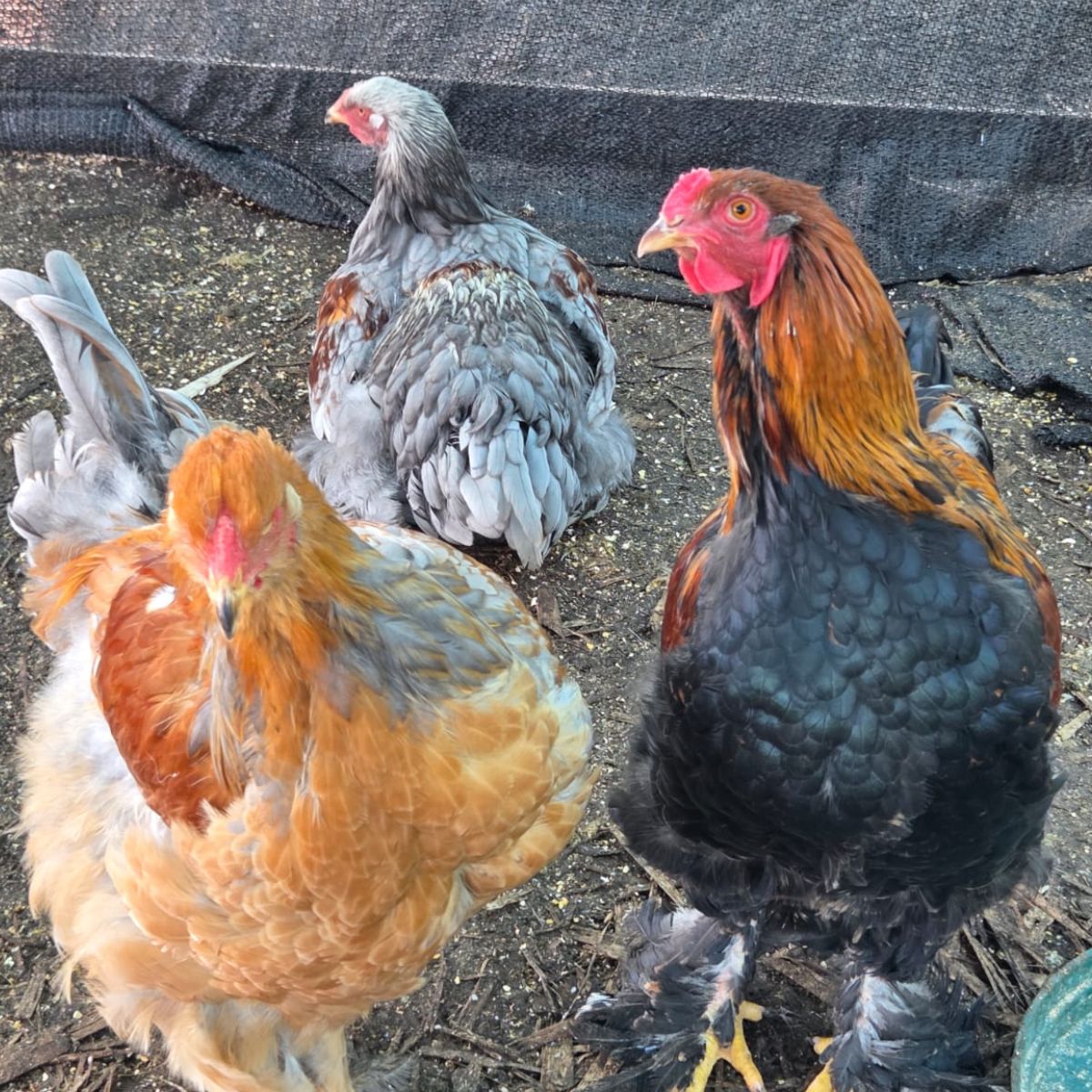
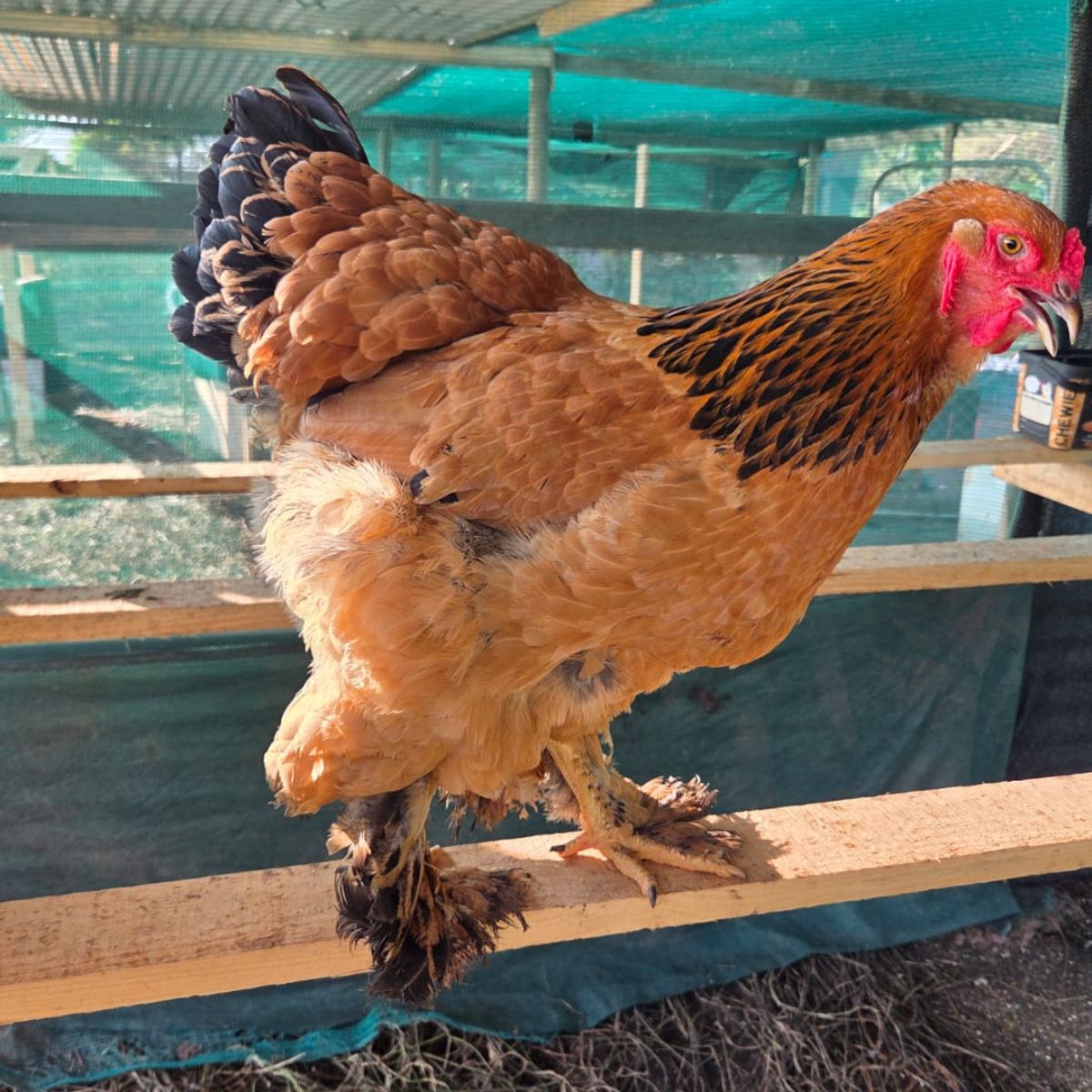
R40,00
Out of stock
Quality fertile hatching eggs • Carefully raised parent stock • Secure nationwide delivery across South Africa
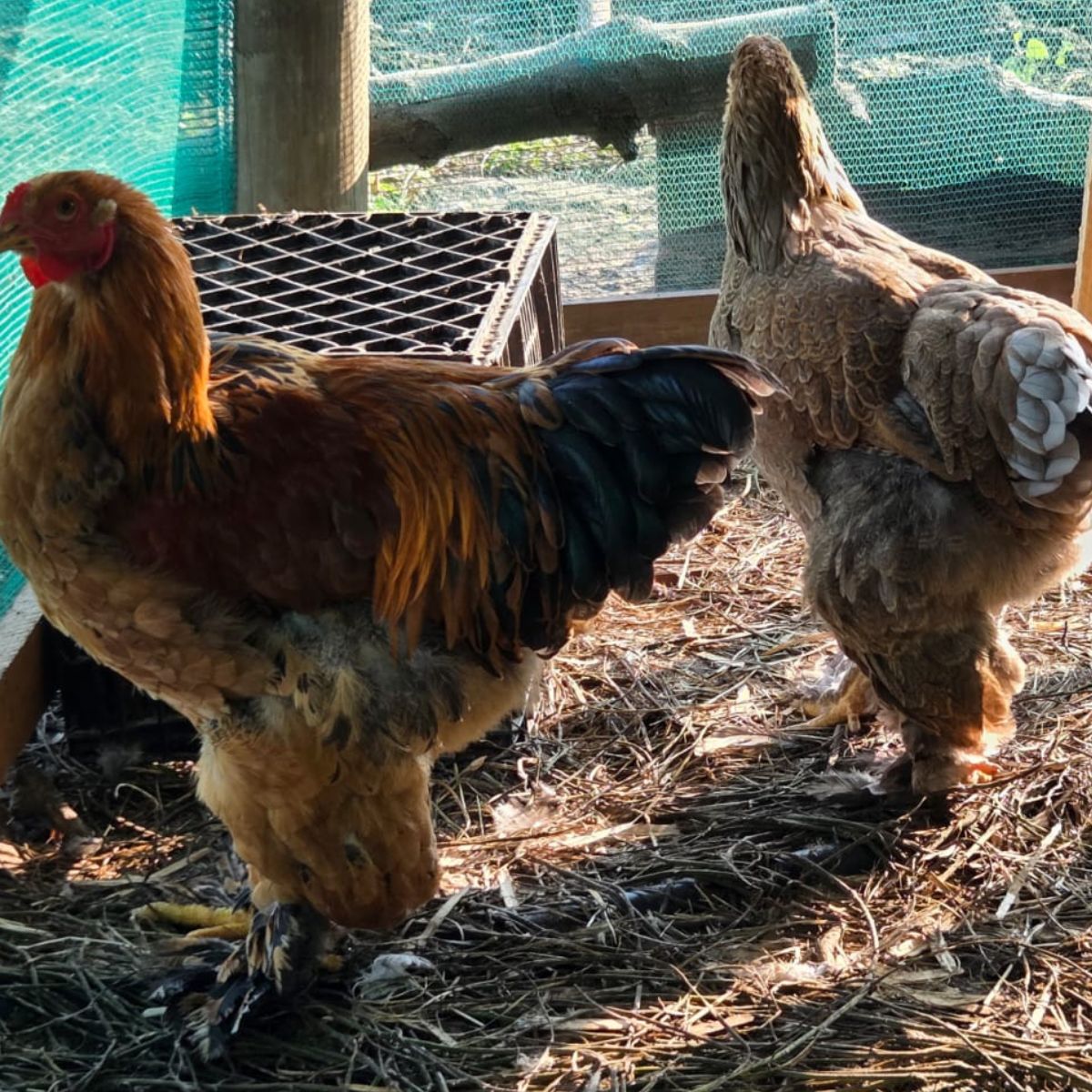
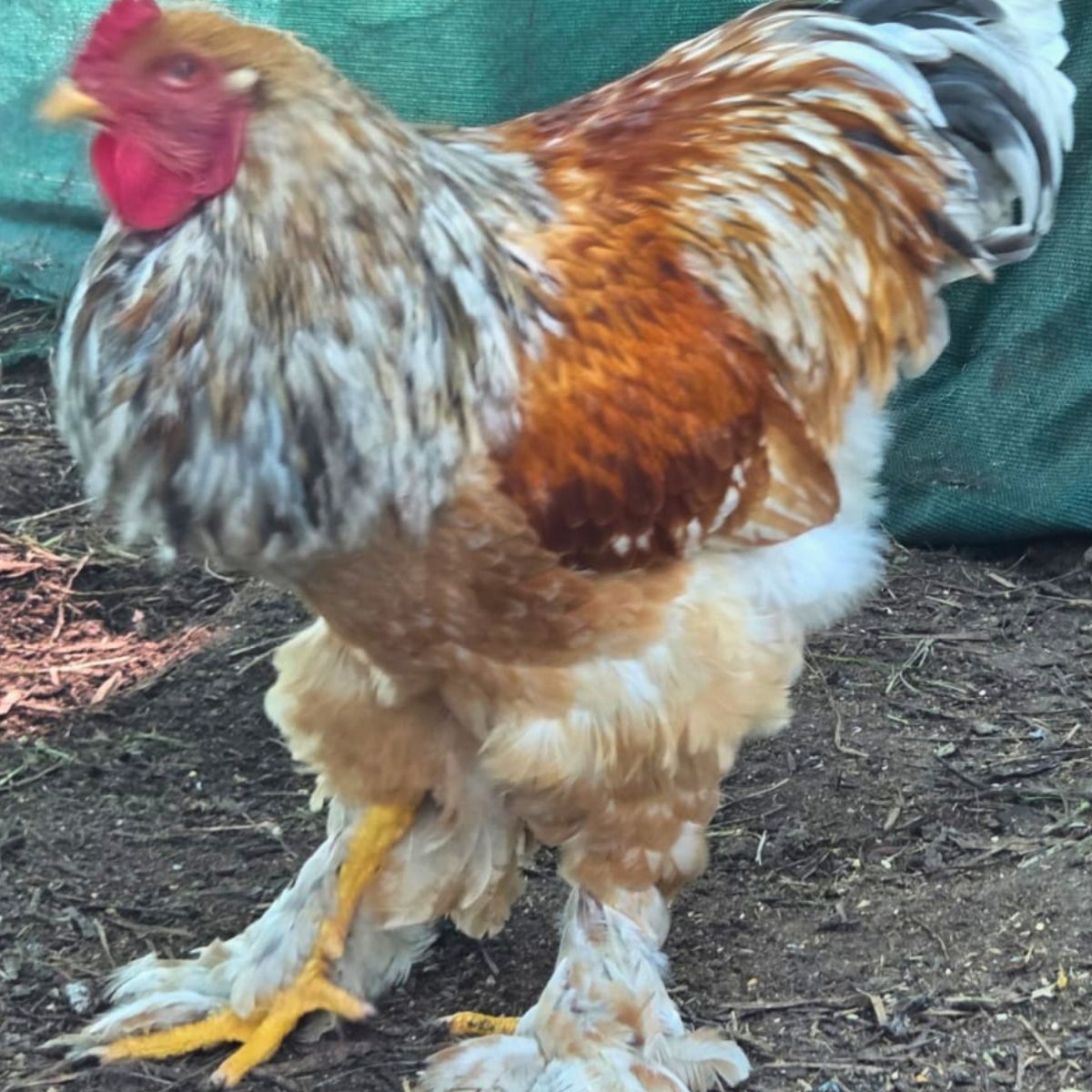
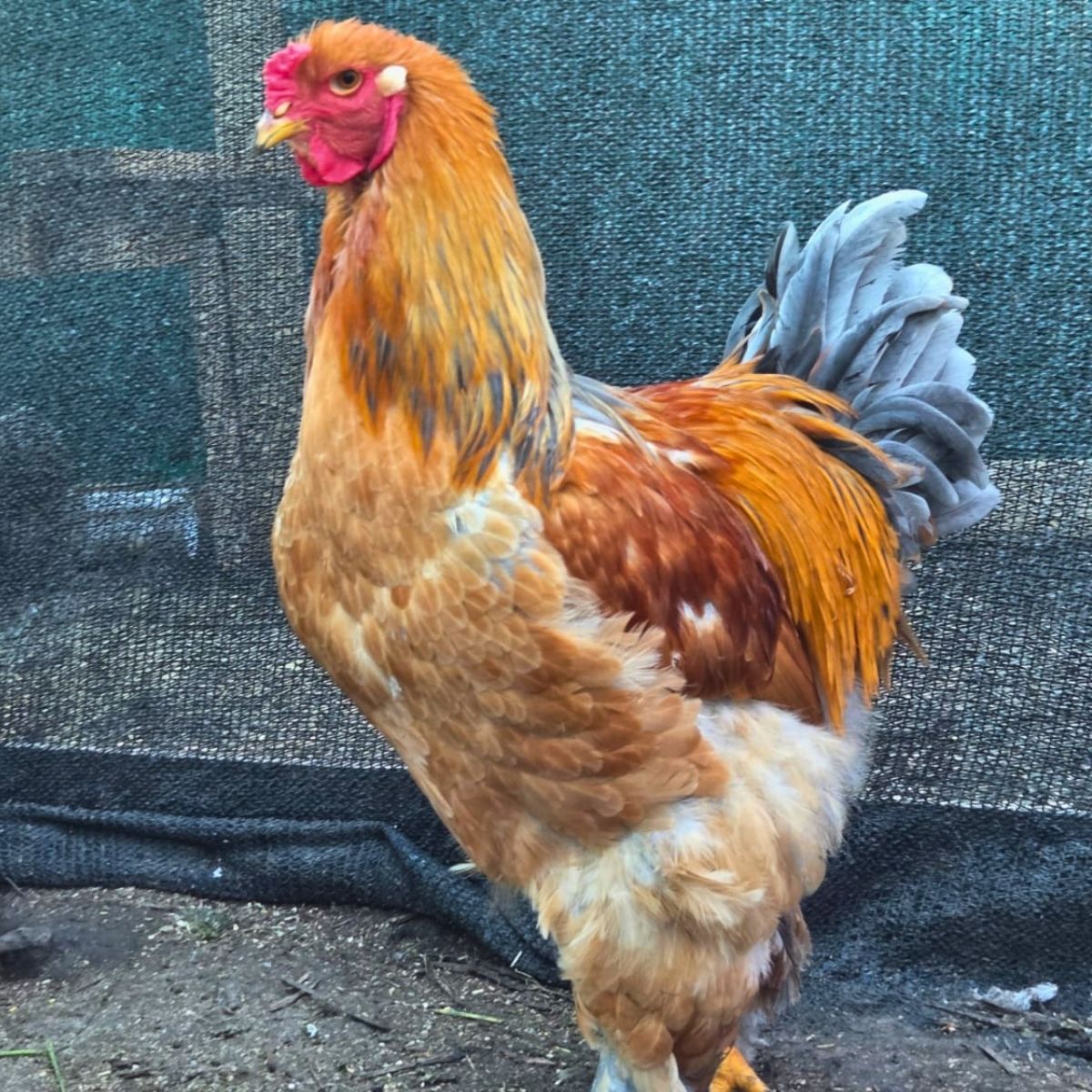
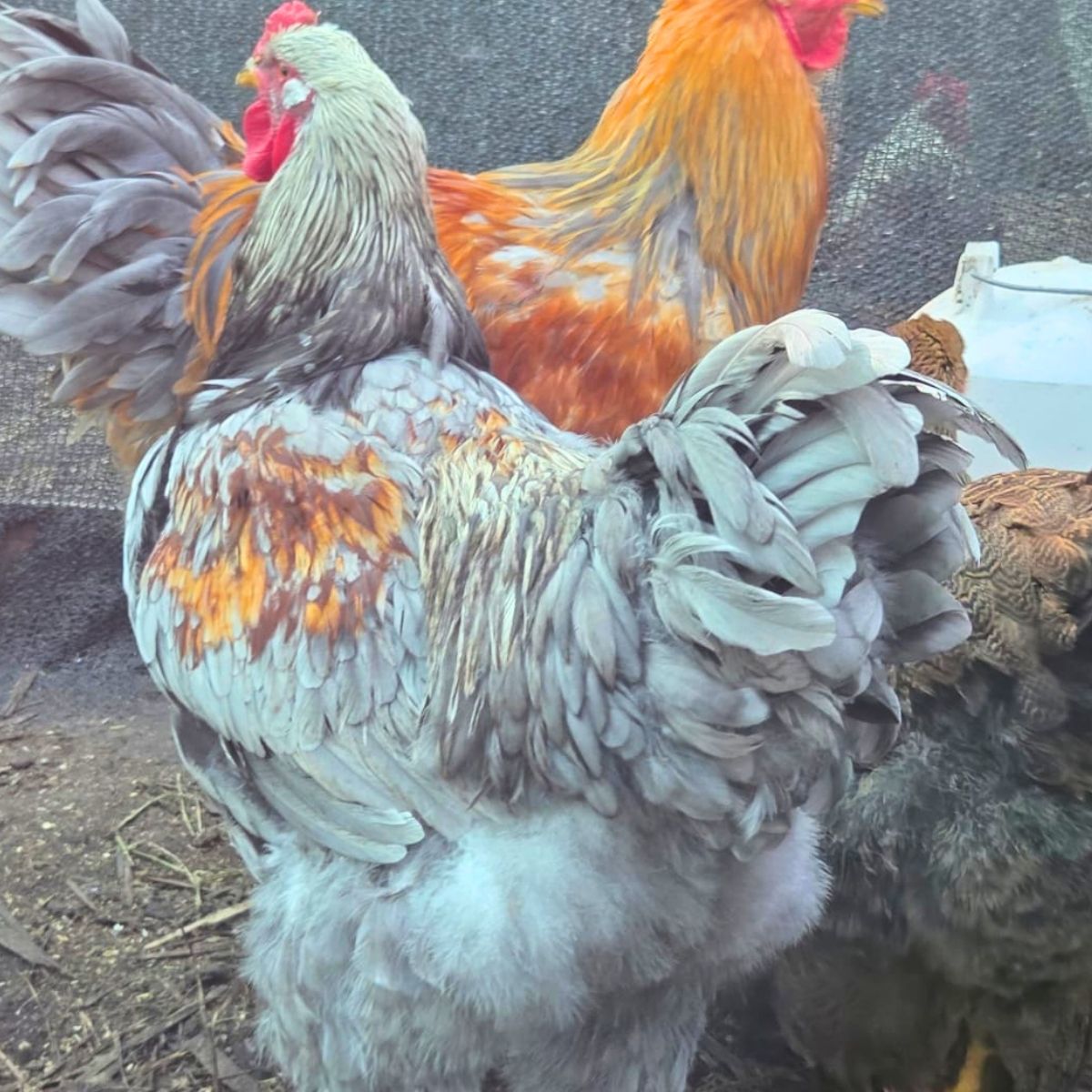
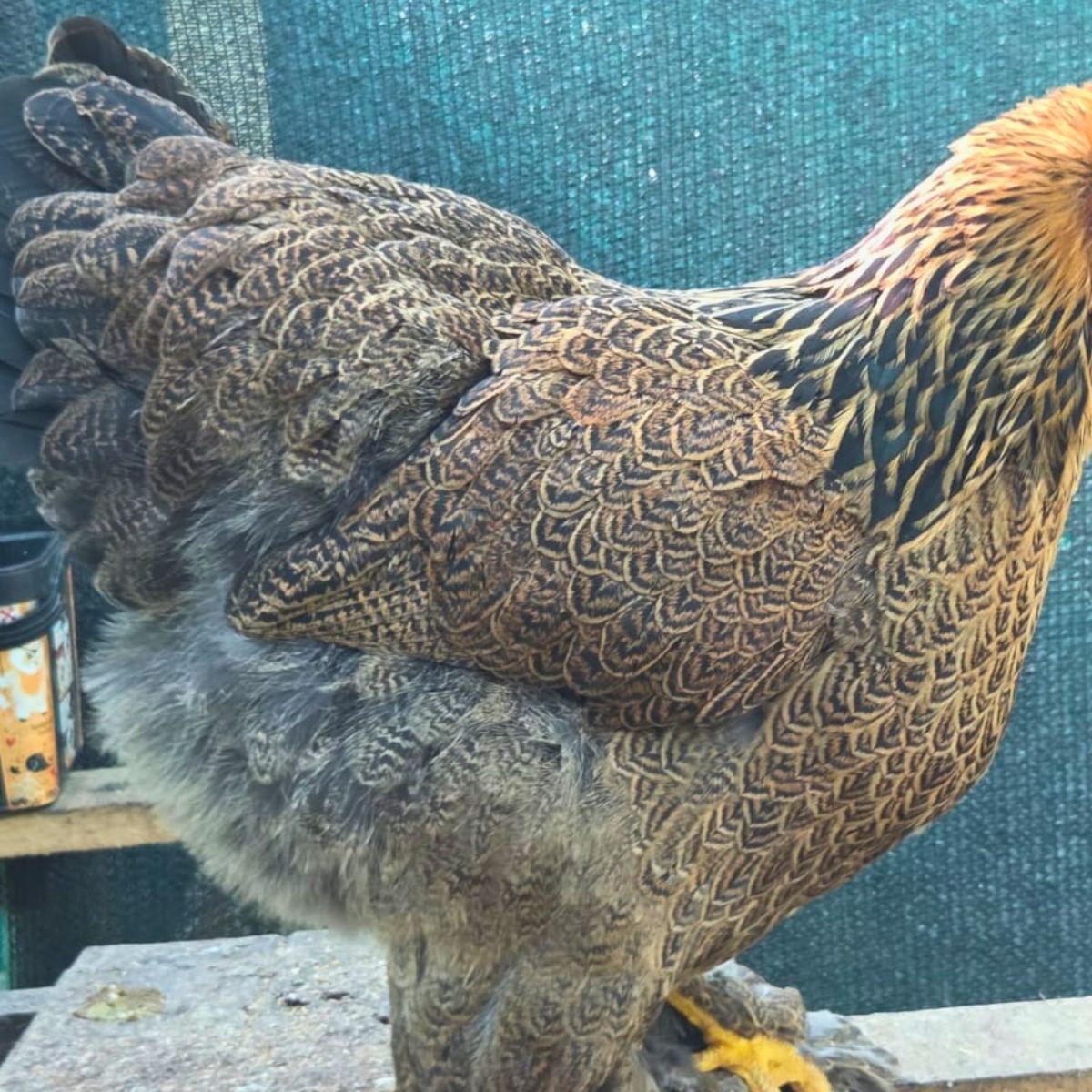
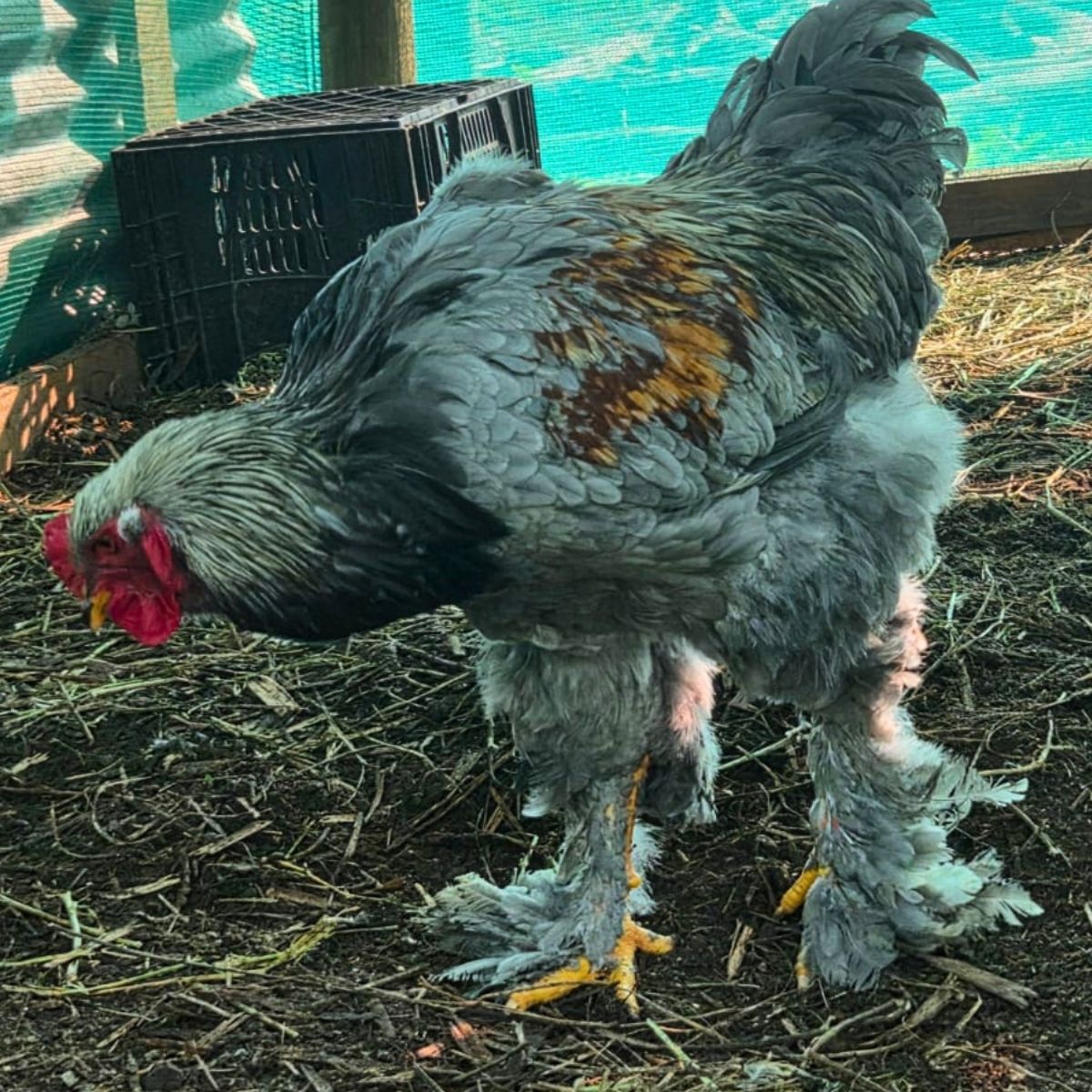
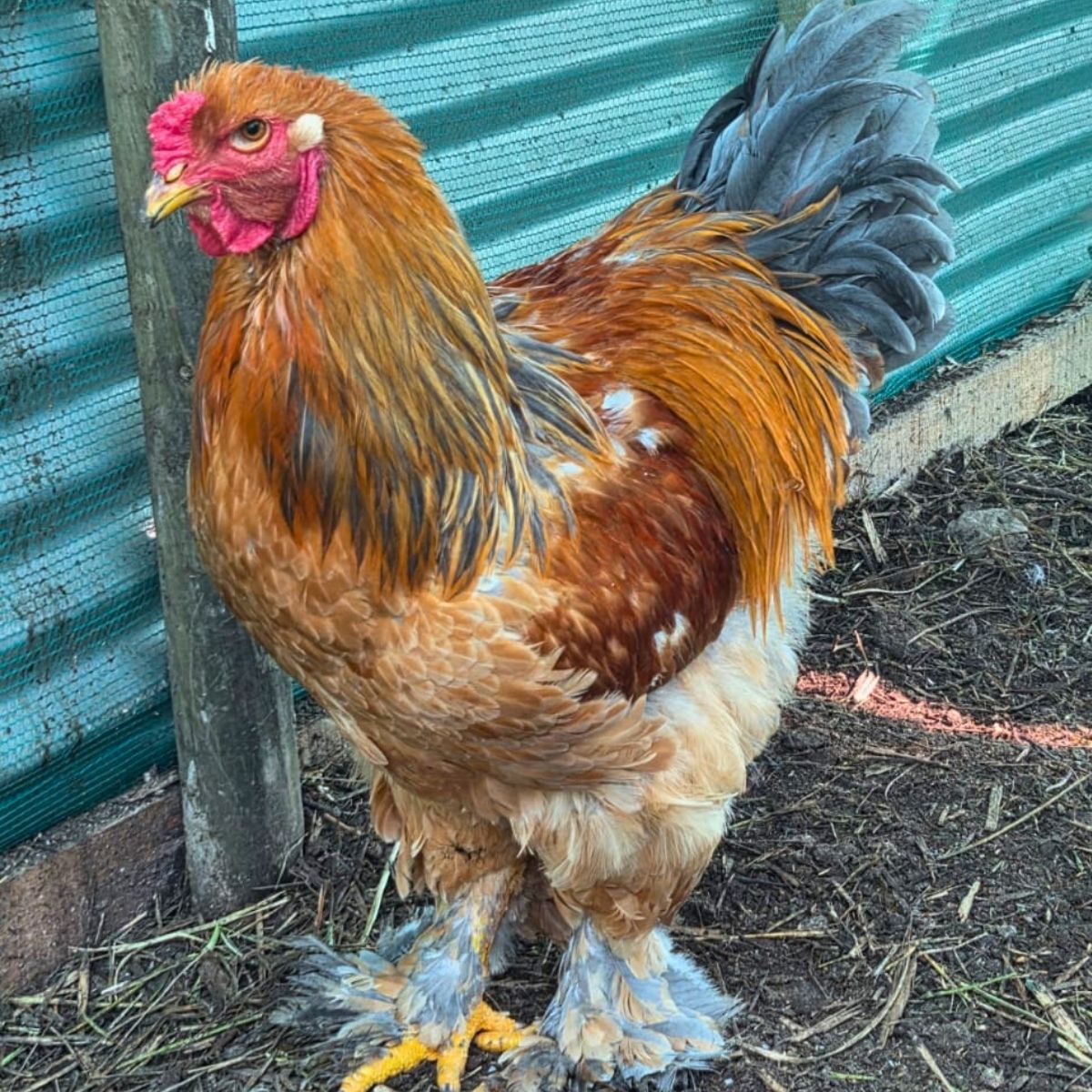
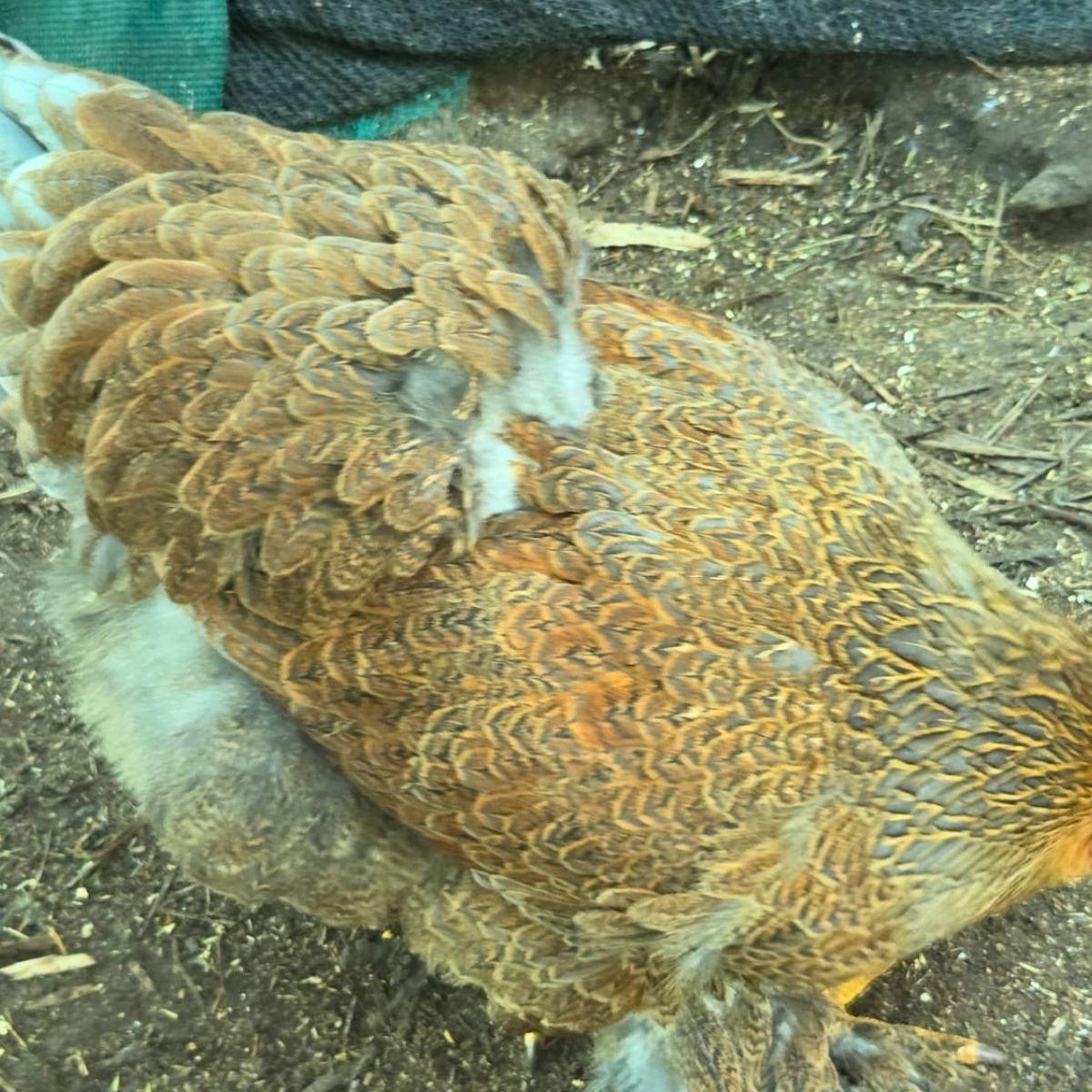
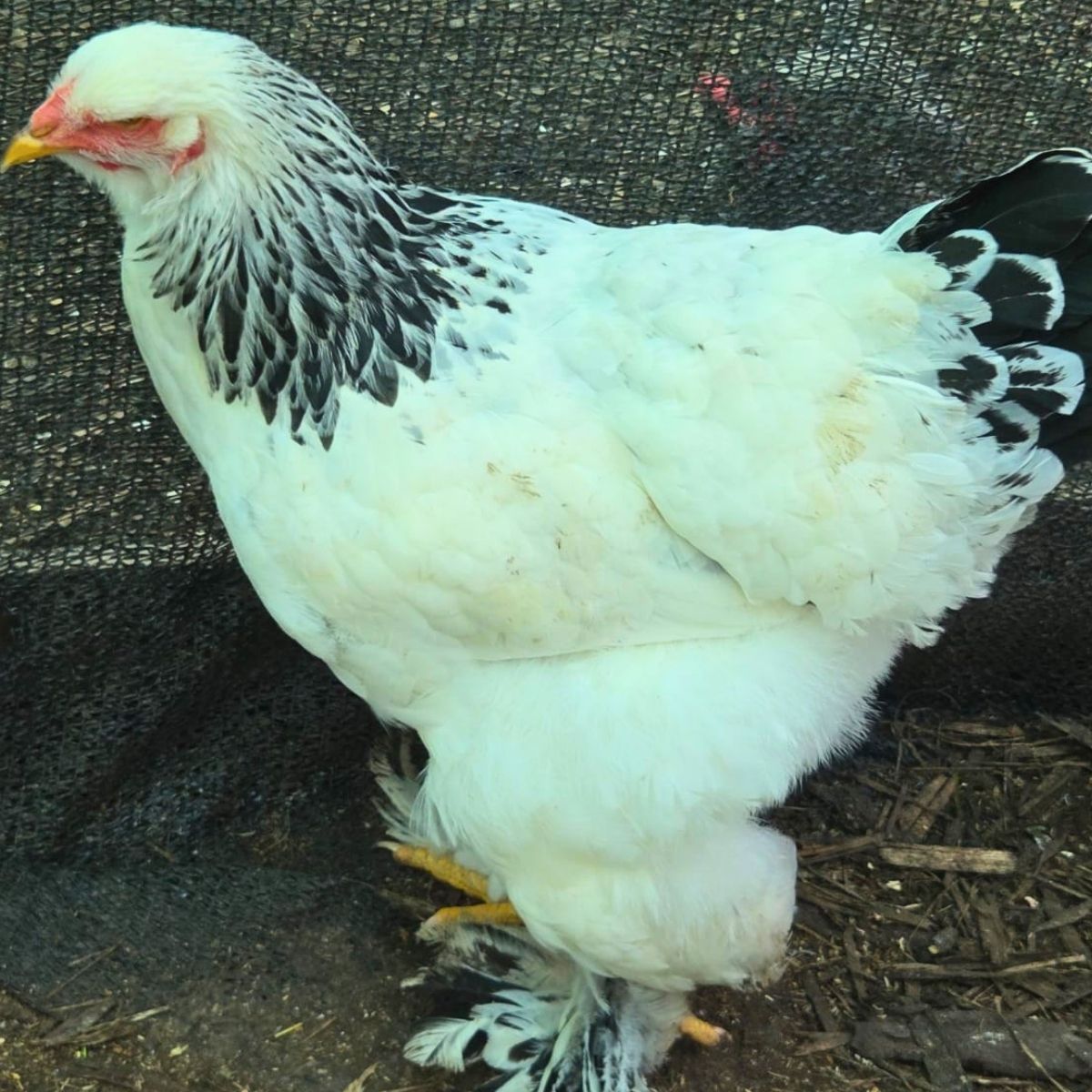
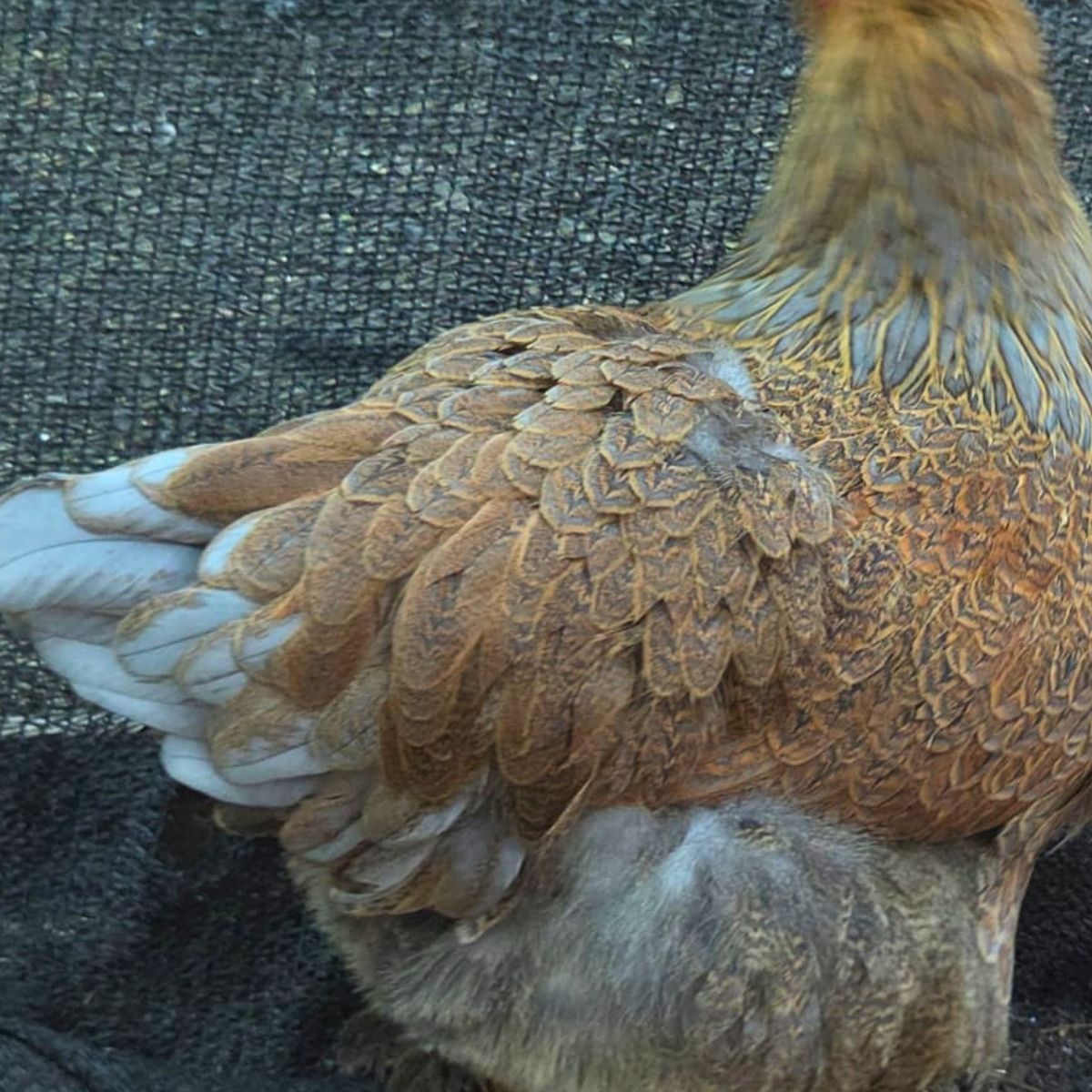
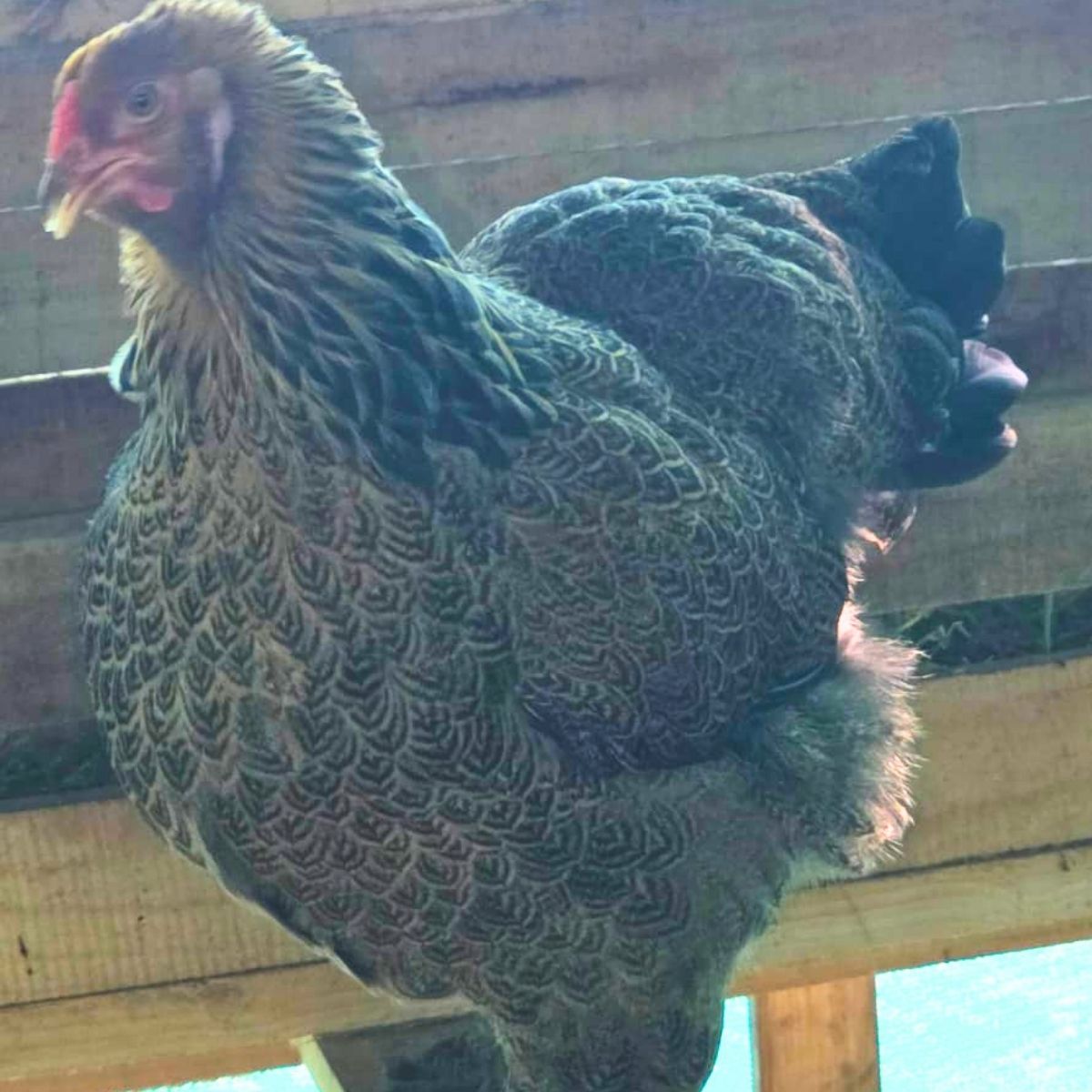
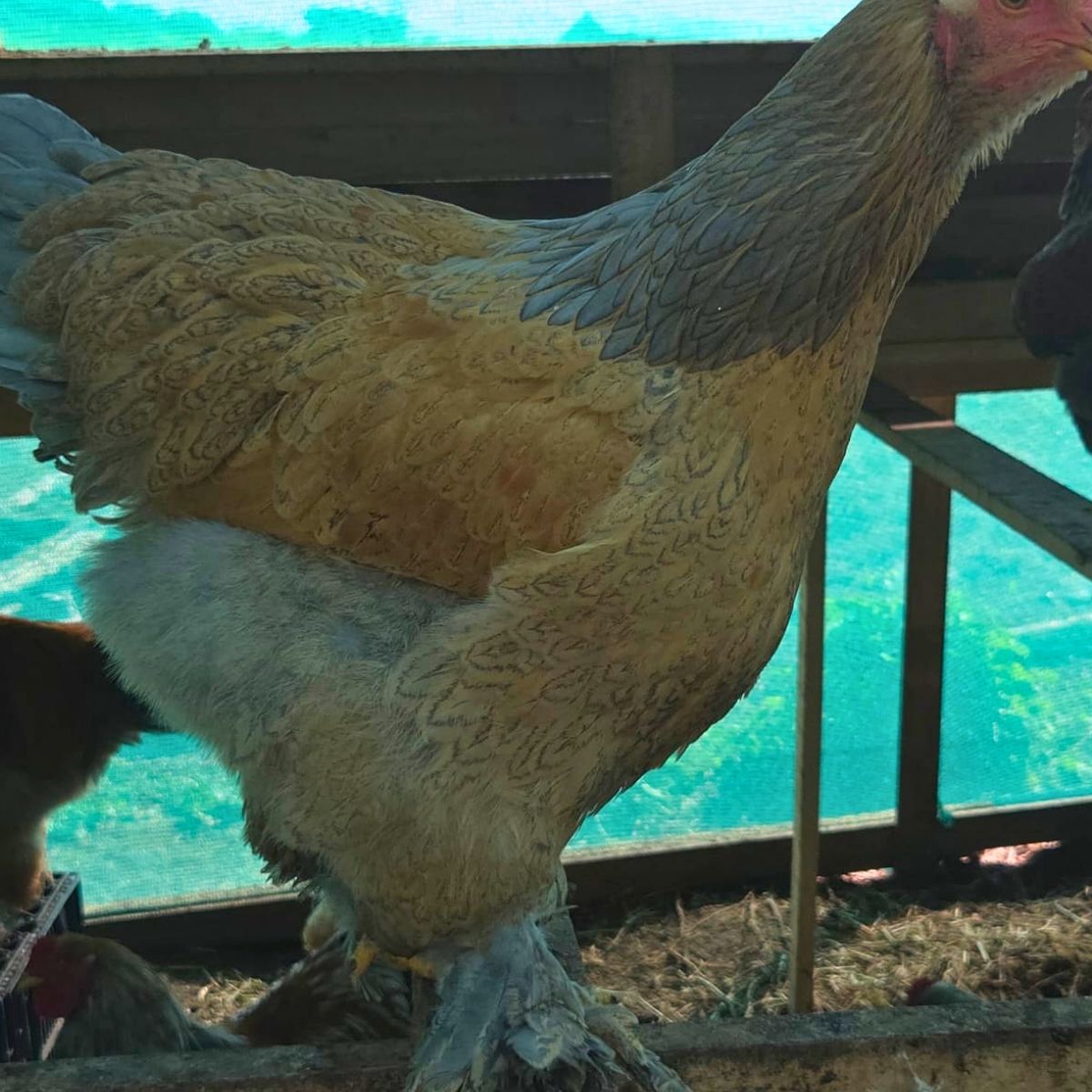
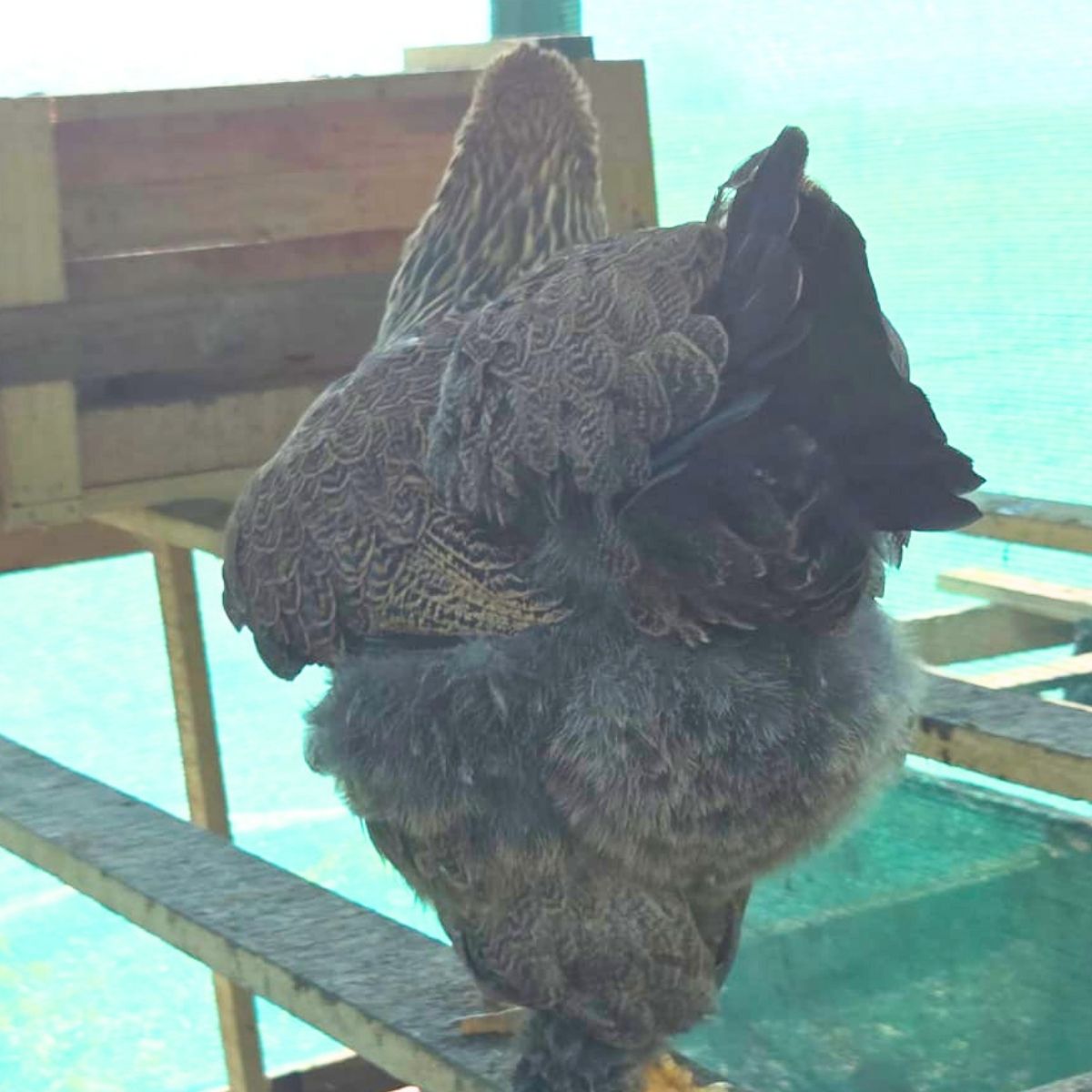
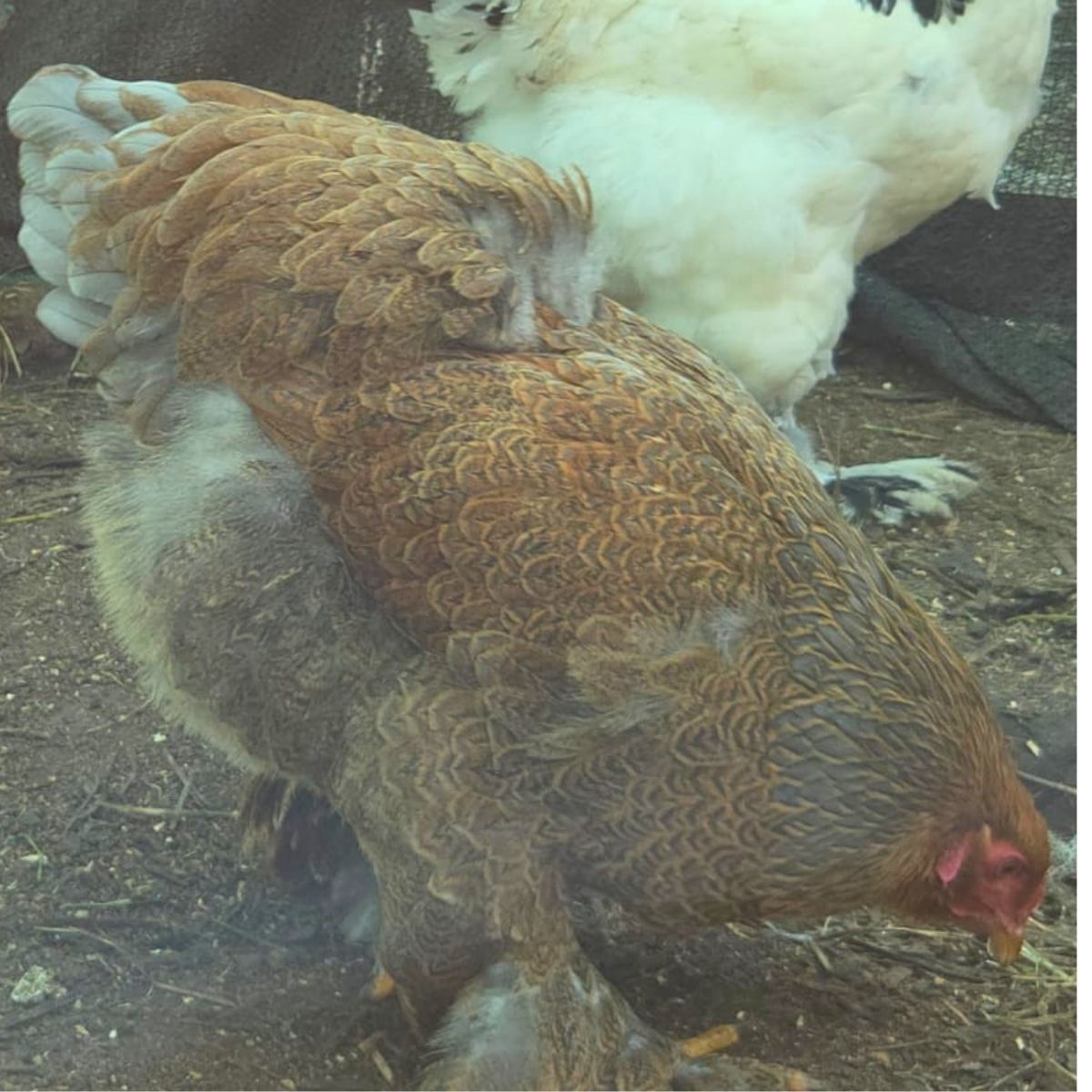
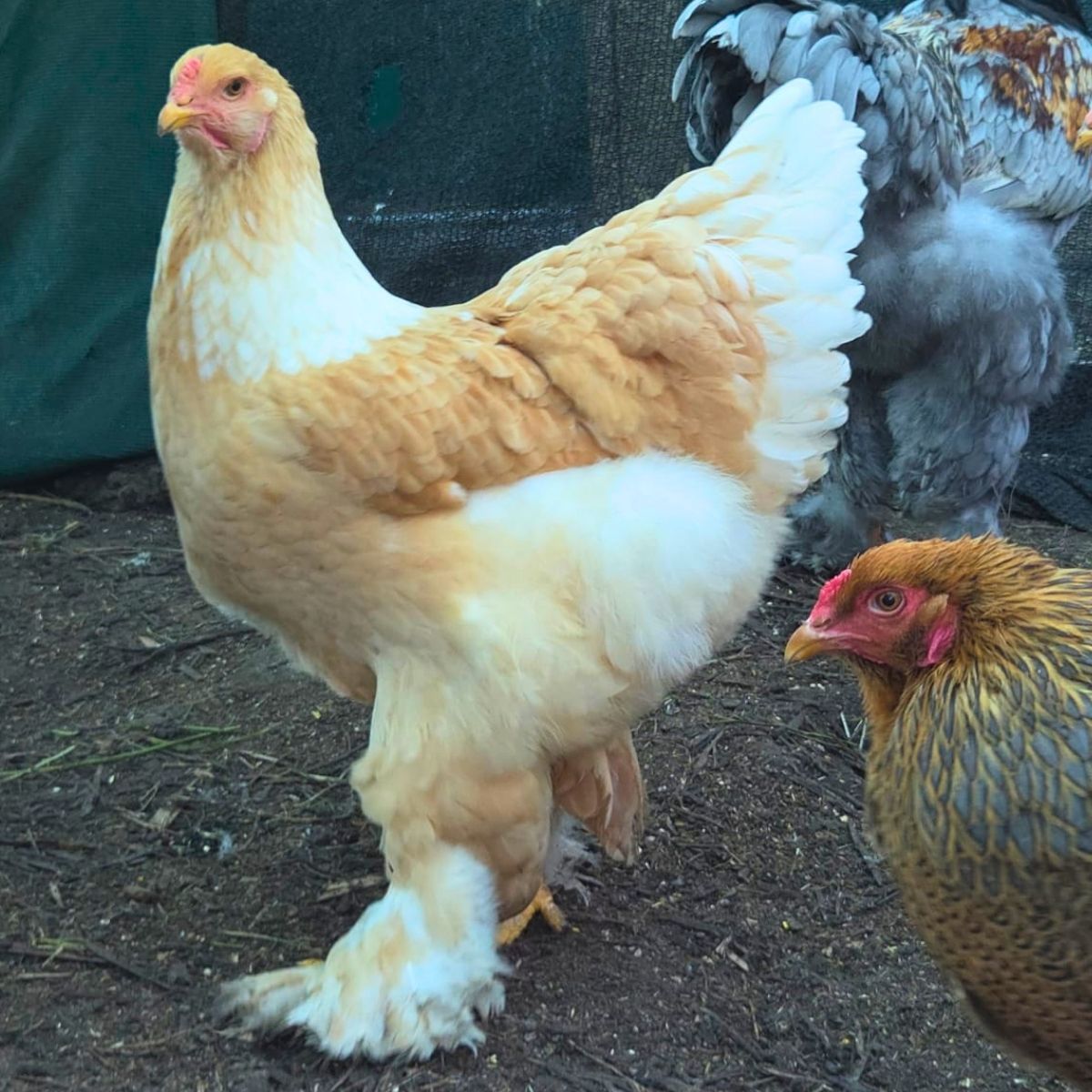
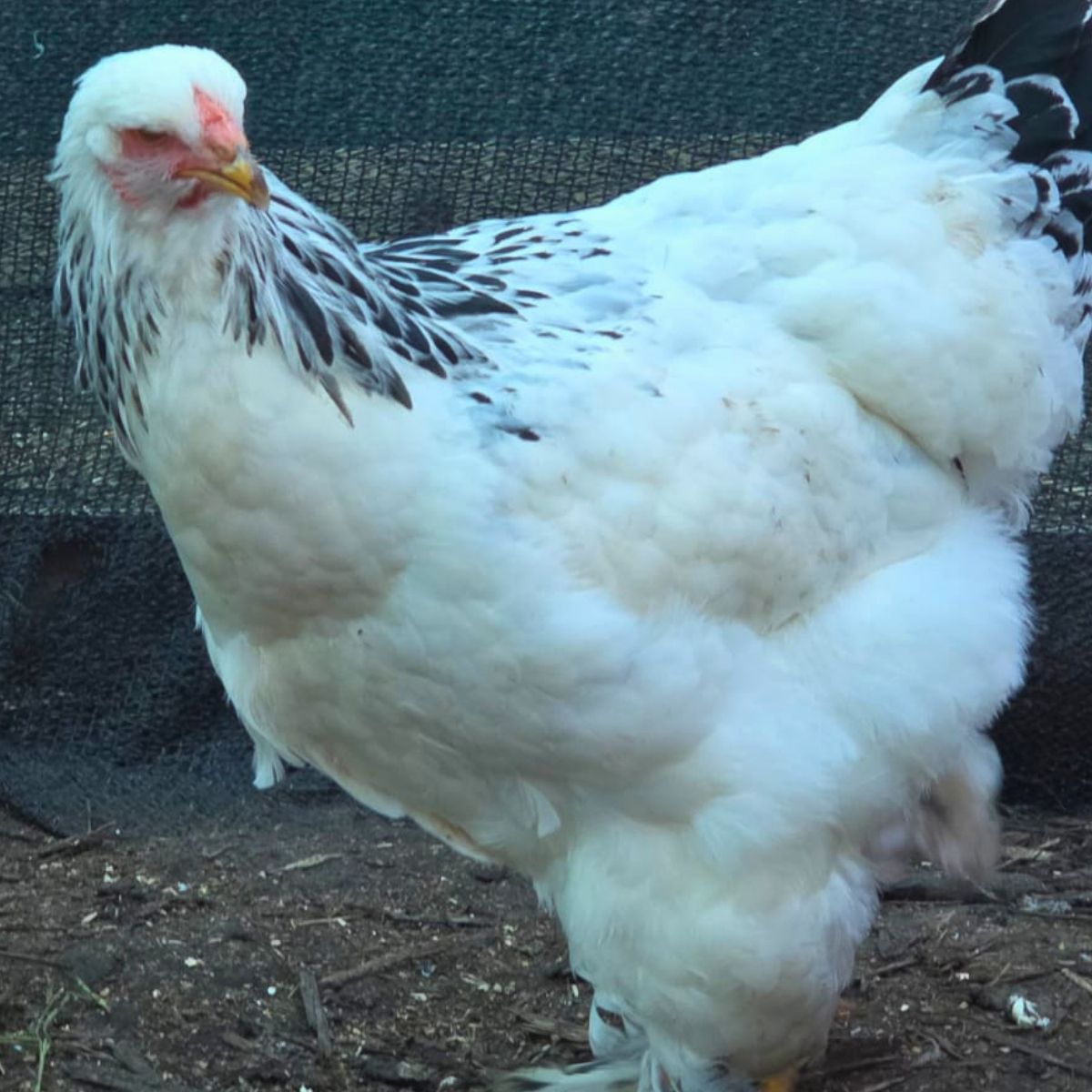
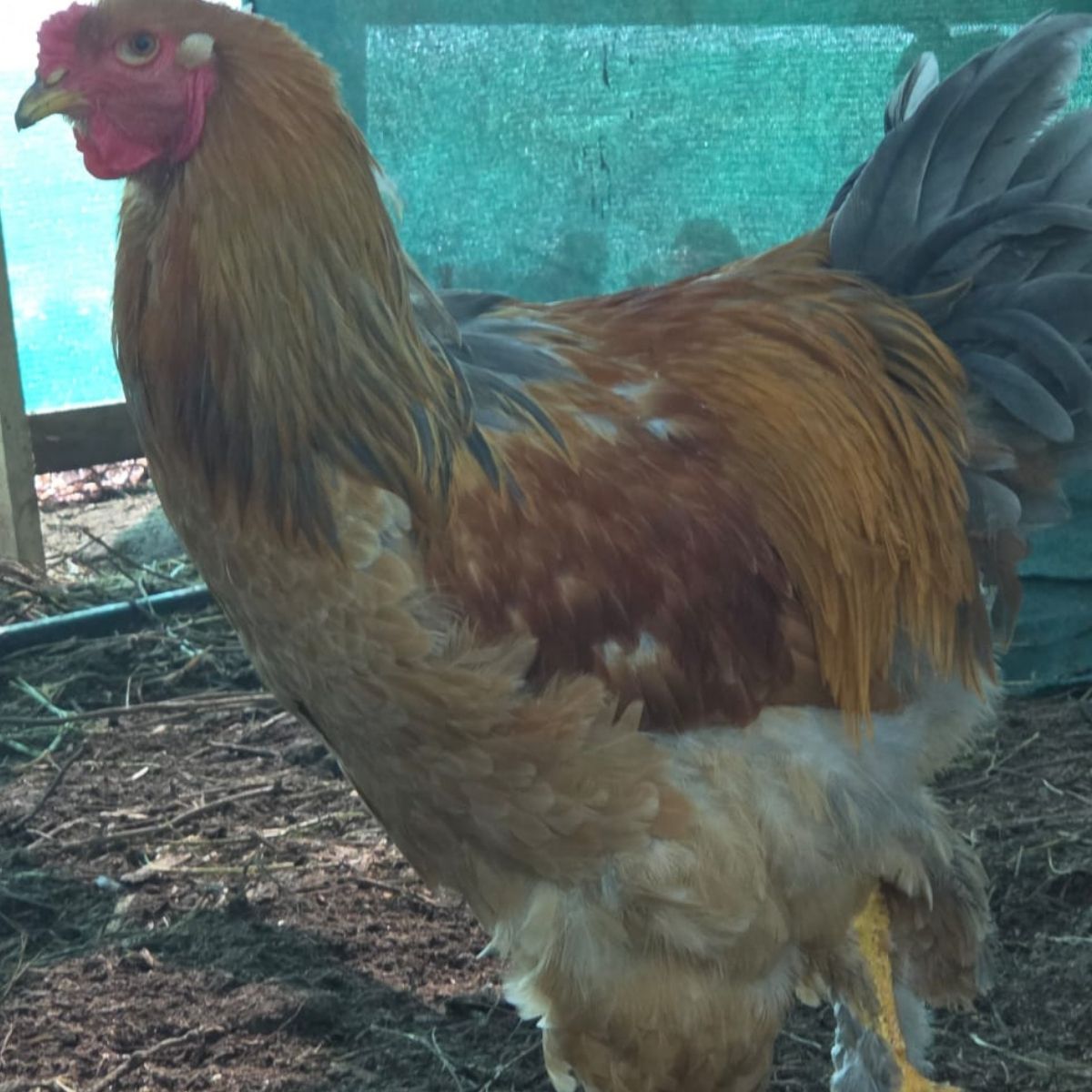
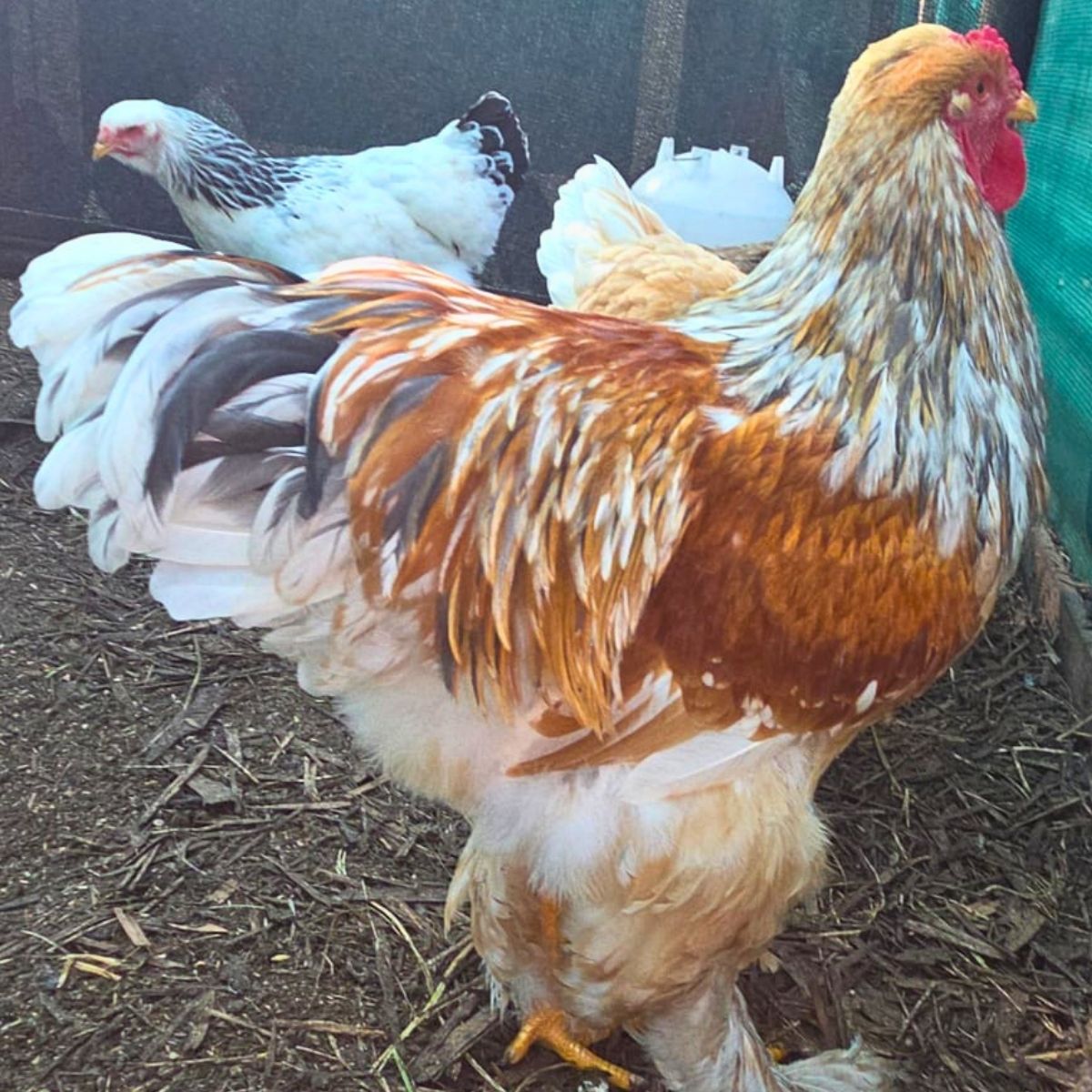
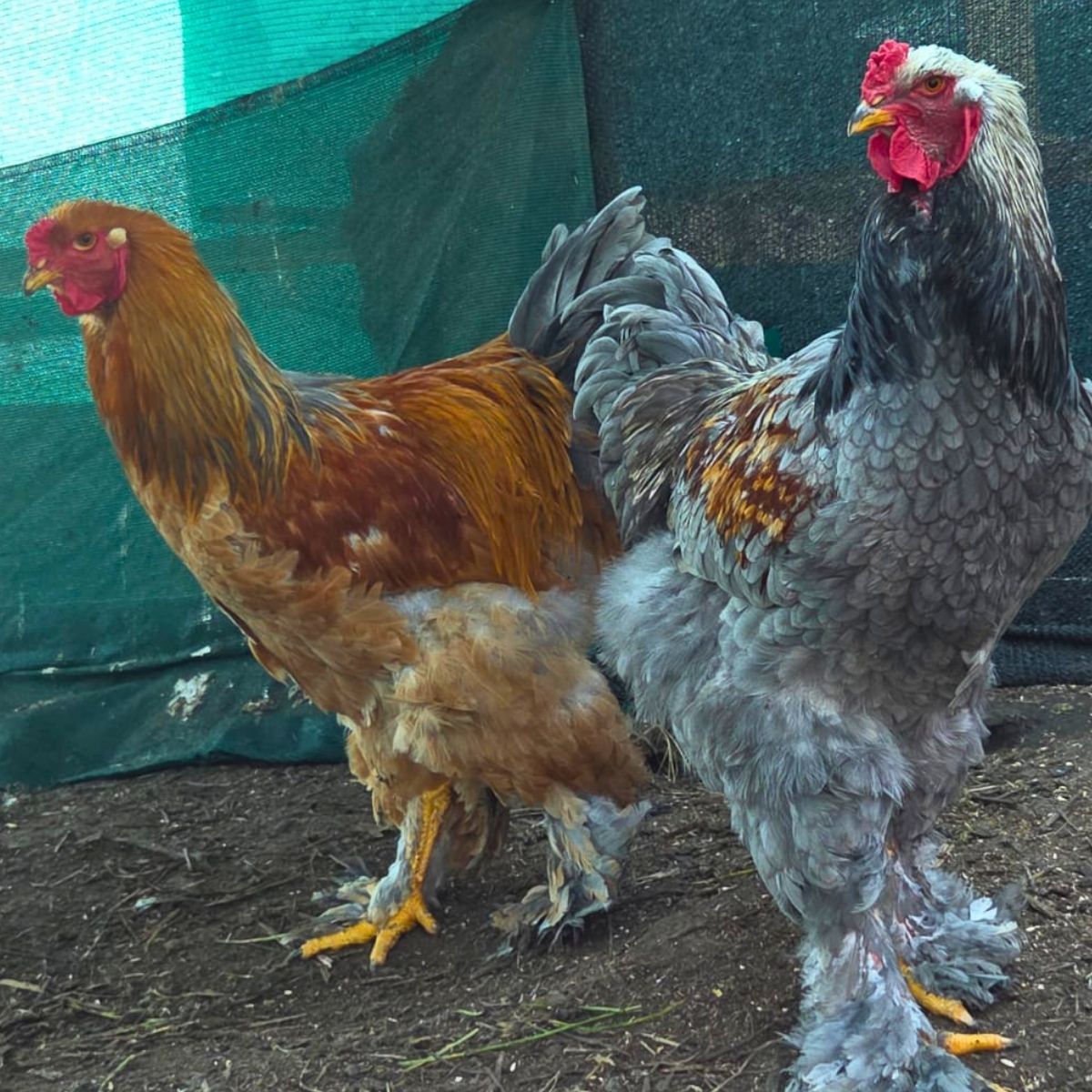
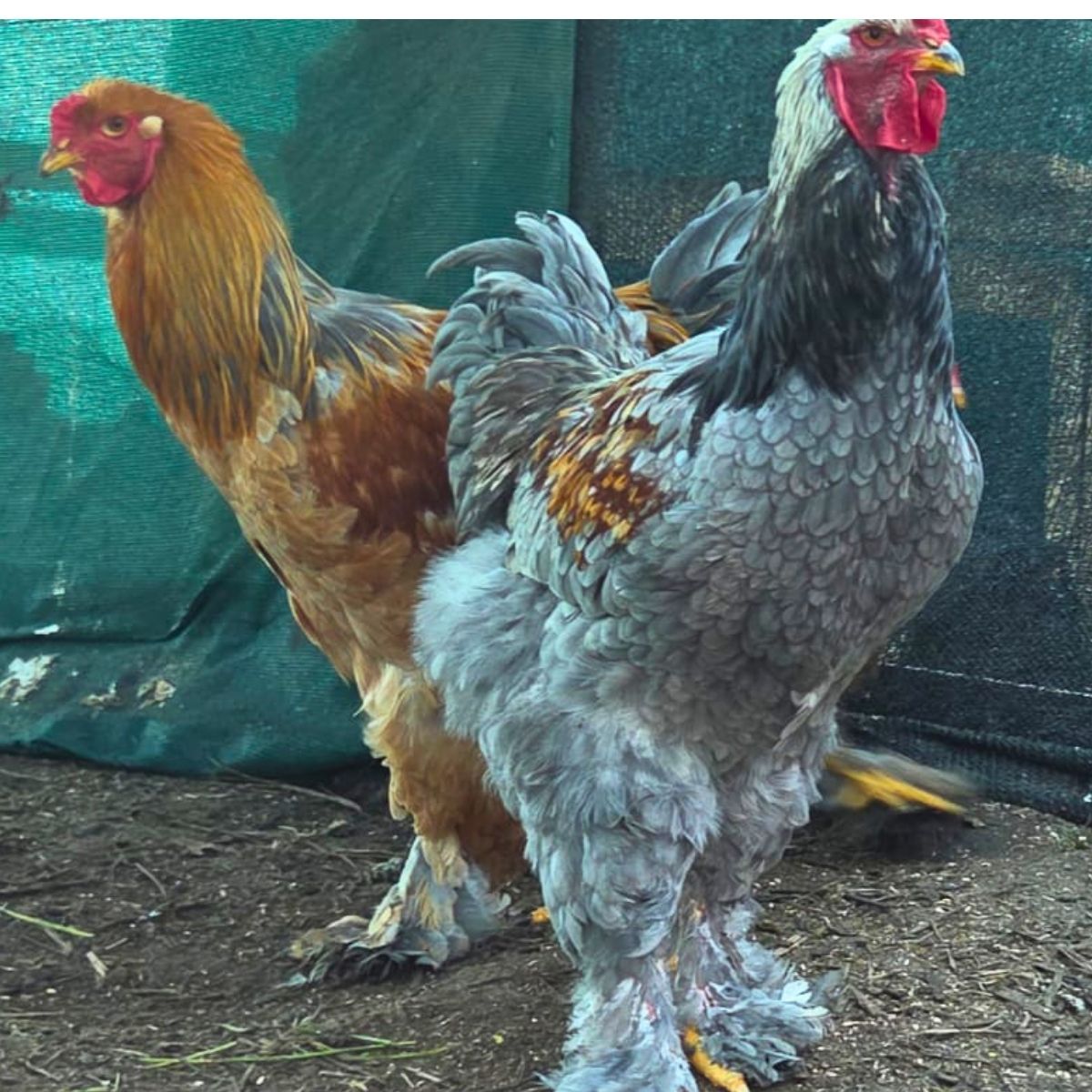
Experience the excitement of hatching your own magnificent Brahma chickens. Our fertile hatching eggs come from a beautiful mixed-colour Brahma breeding group raised with care at Garden Route Trail Hatch House near Sedgefield in the Garden Route.
Brahmas are loved for their impressive size, calm nature, feathered legs and majestic appearance. They are a wonderful choice for backyard poultry keepers, smallholders, families and ornamental chicken enthusiasts.
Brahmas are a large heritage chicken breed affectionately known as the “gentle giants” of the poultry world.
They are admired for their:
Despite their impressive size, Brahmas are generally calm birds that can become wonderfully gentle members of a well-managed flock.
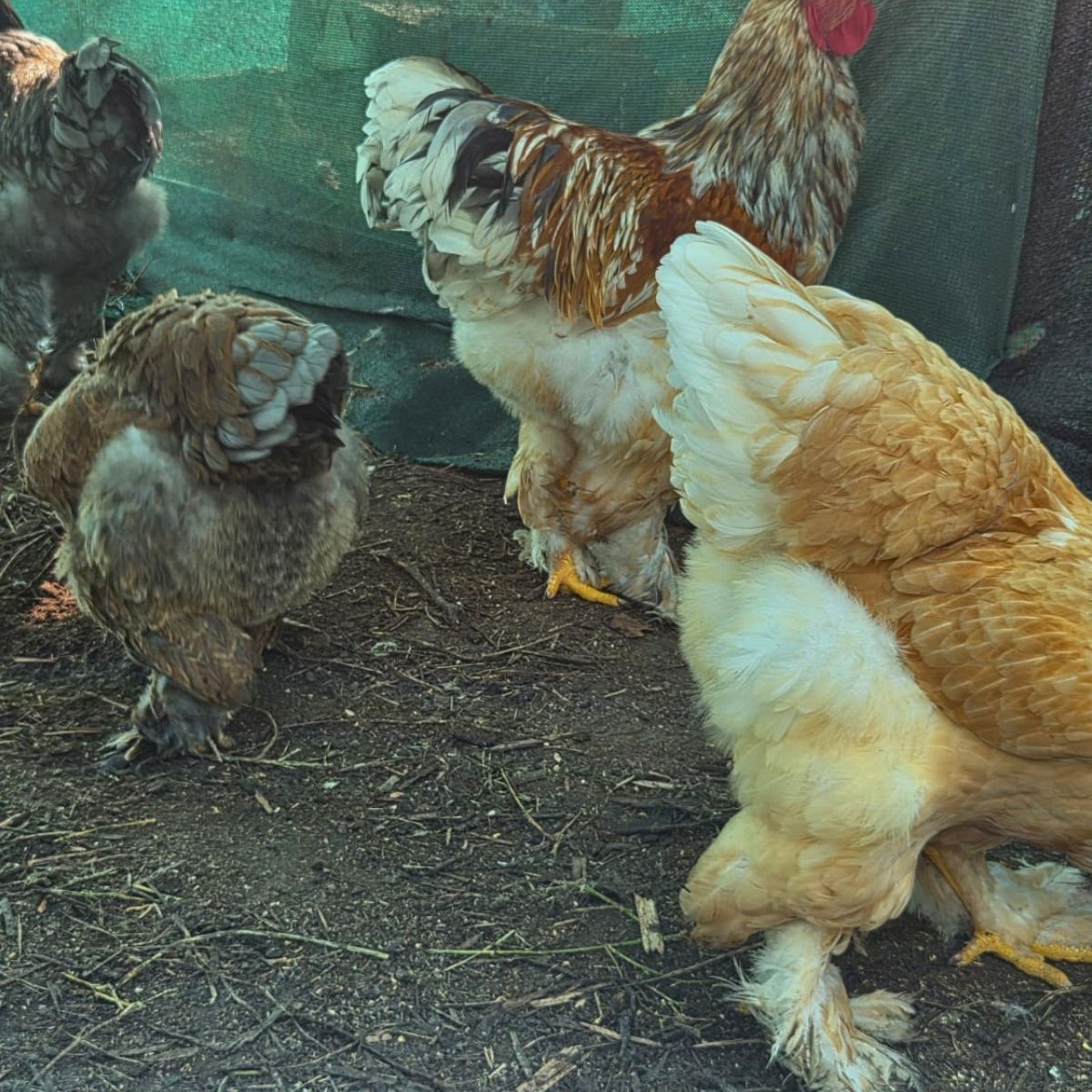
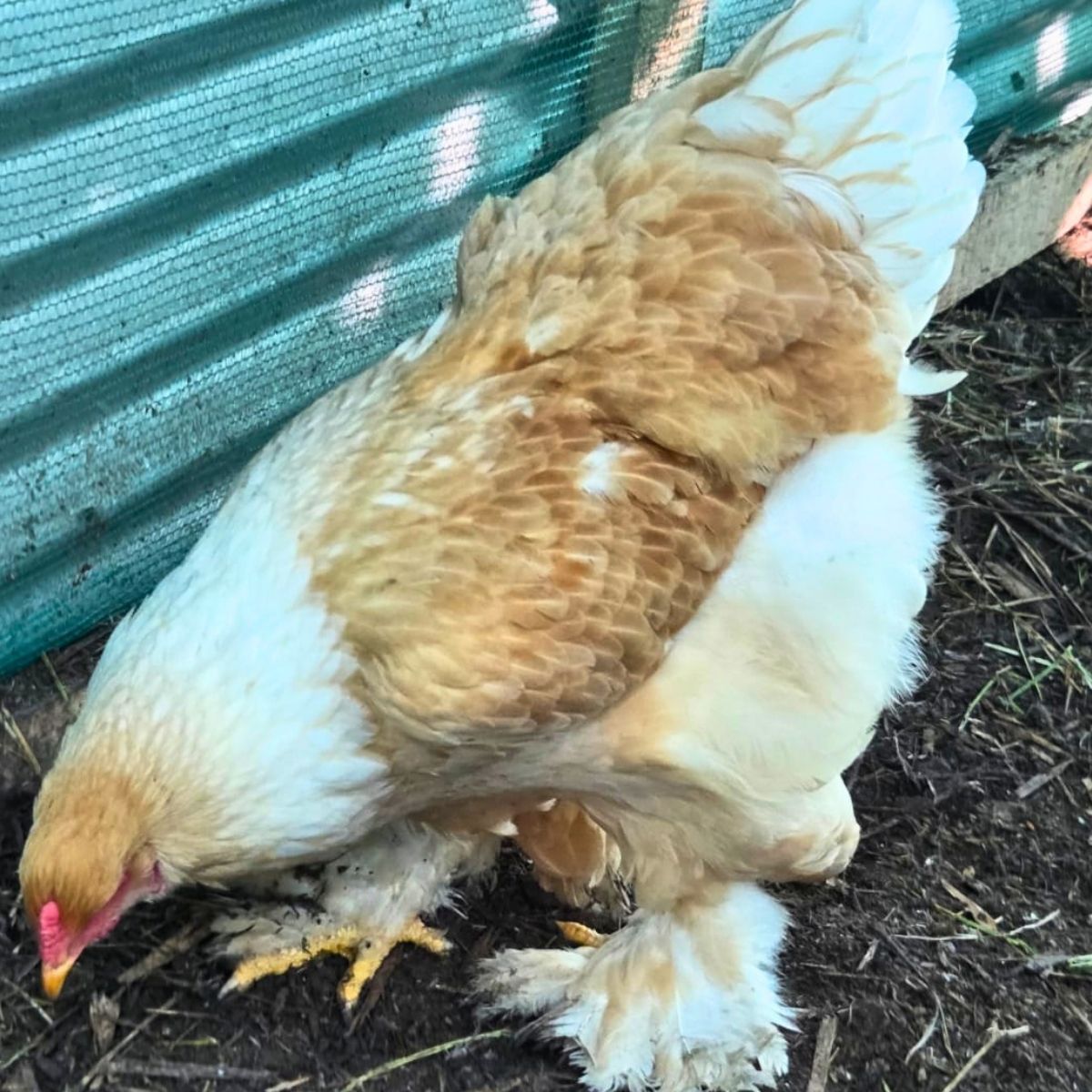
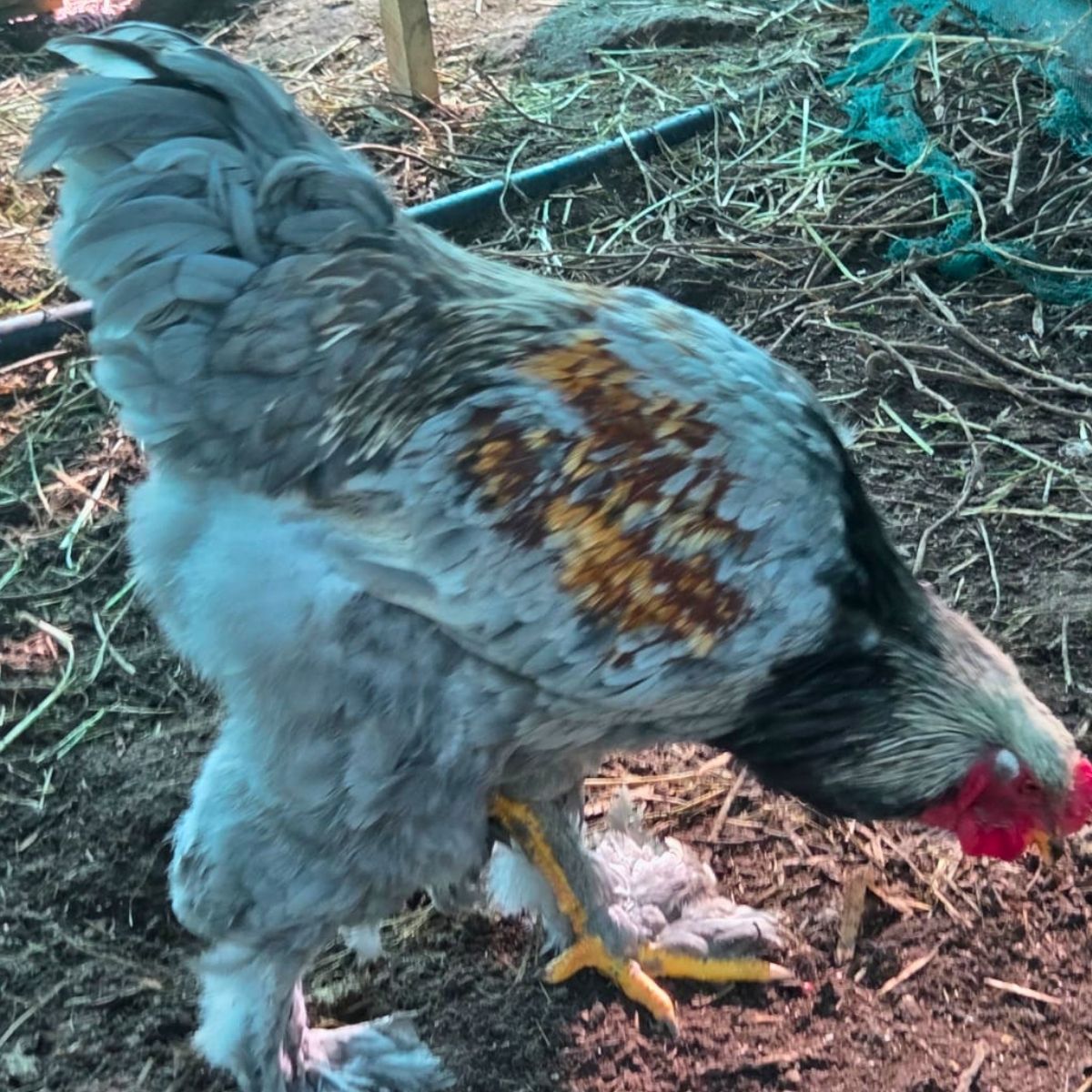
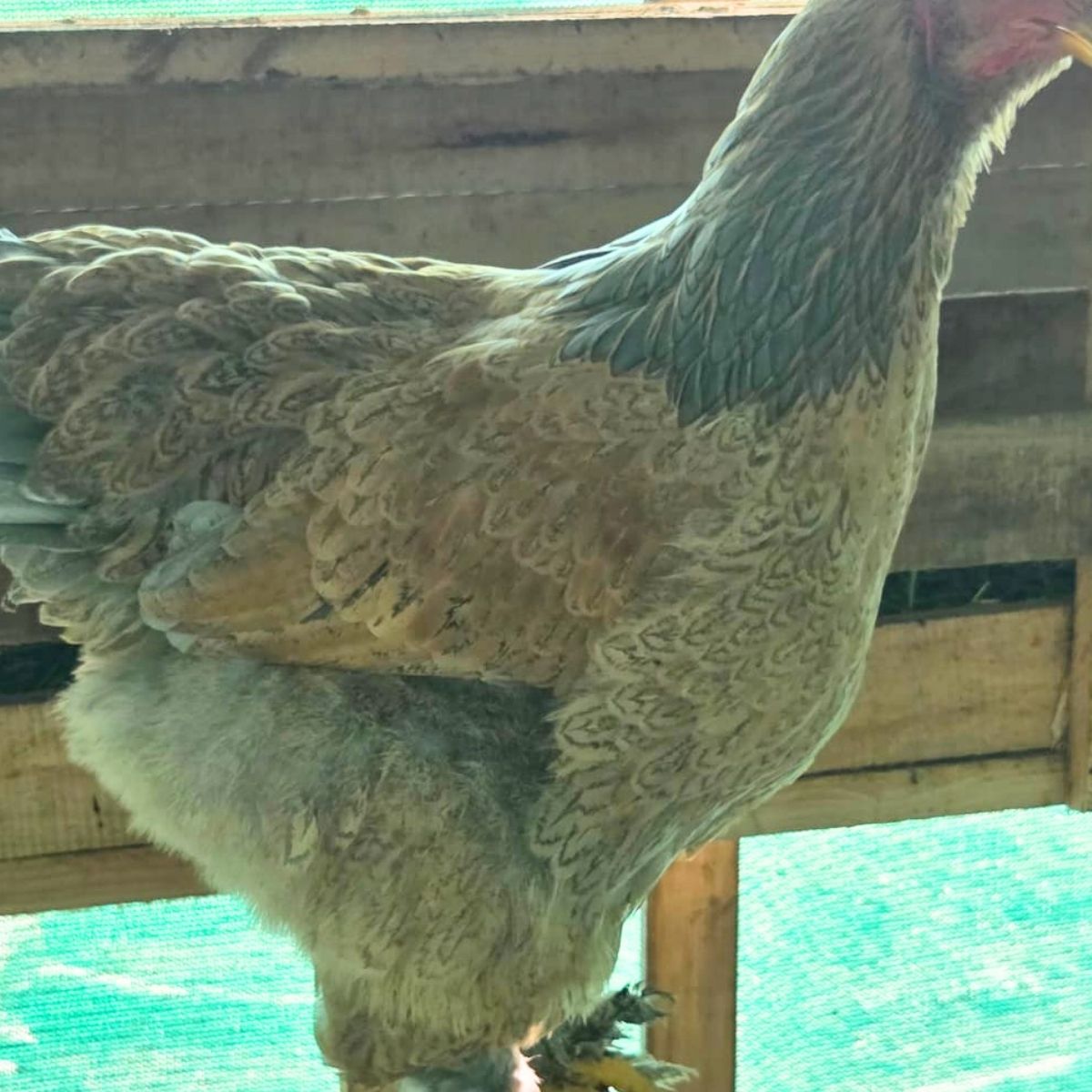
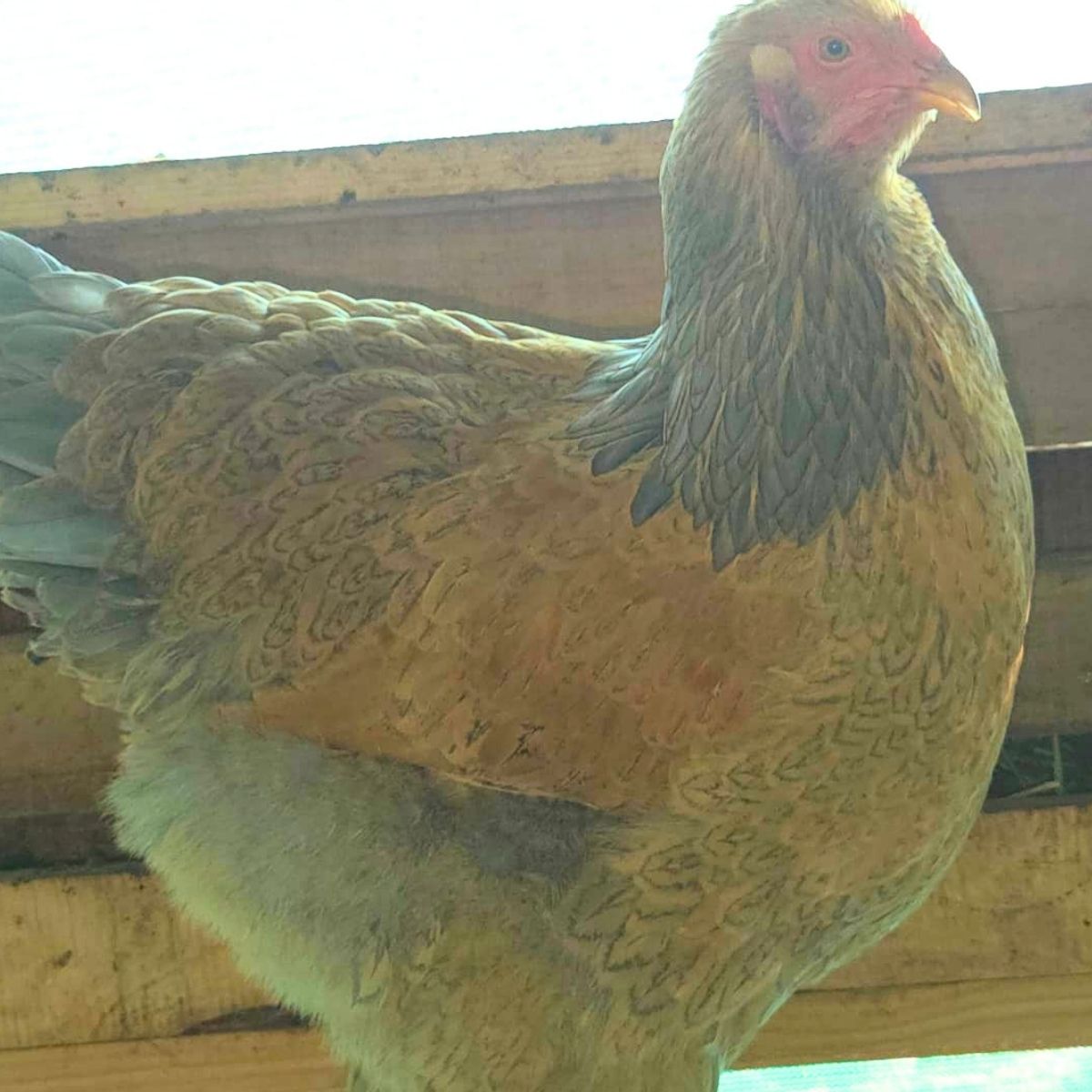
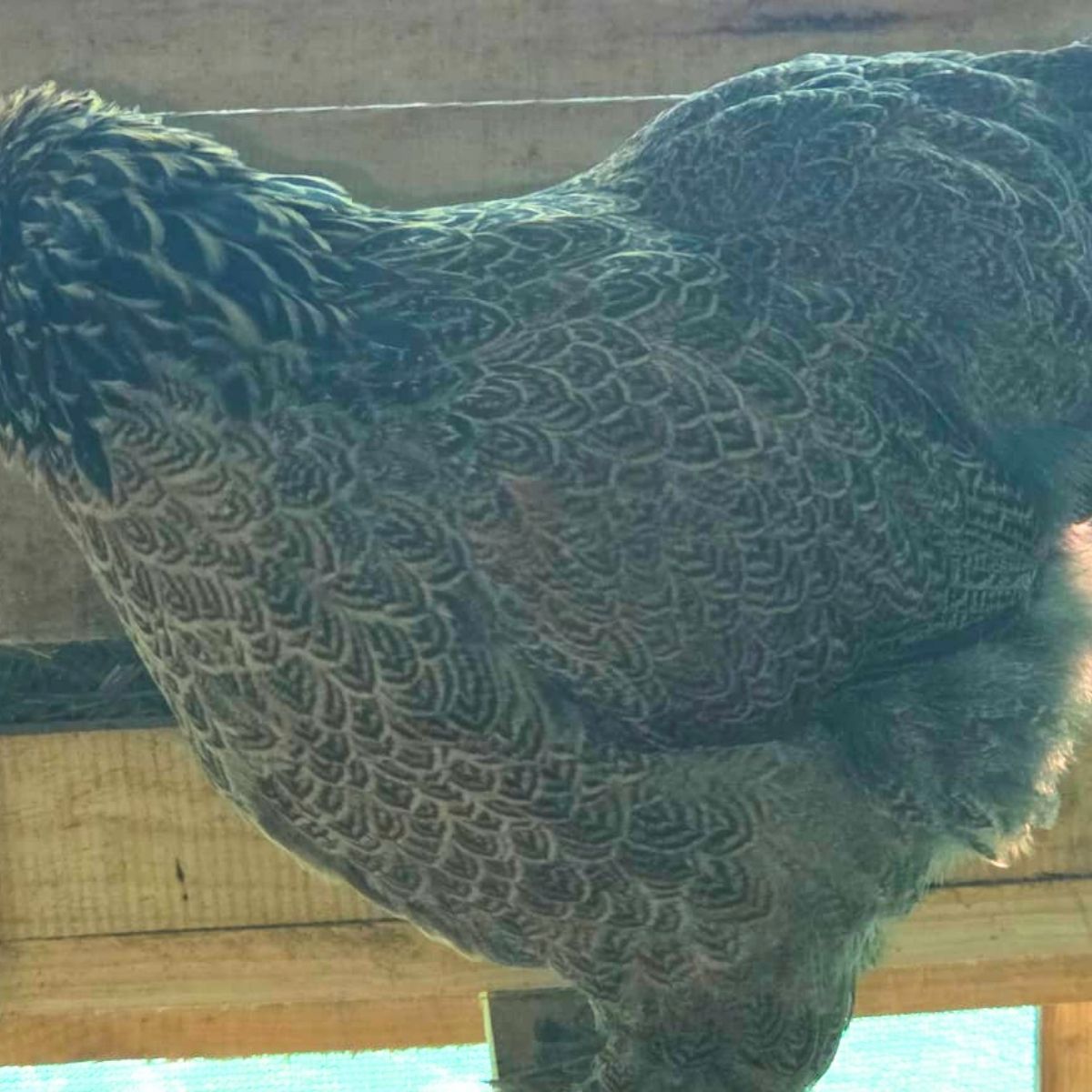
These fertile eggs come from our mixed-colour Brahma parent stock.
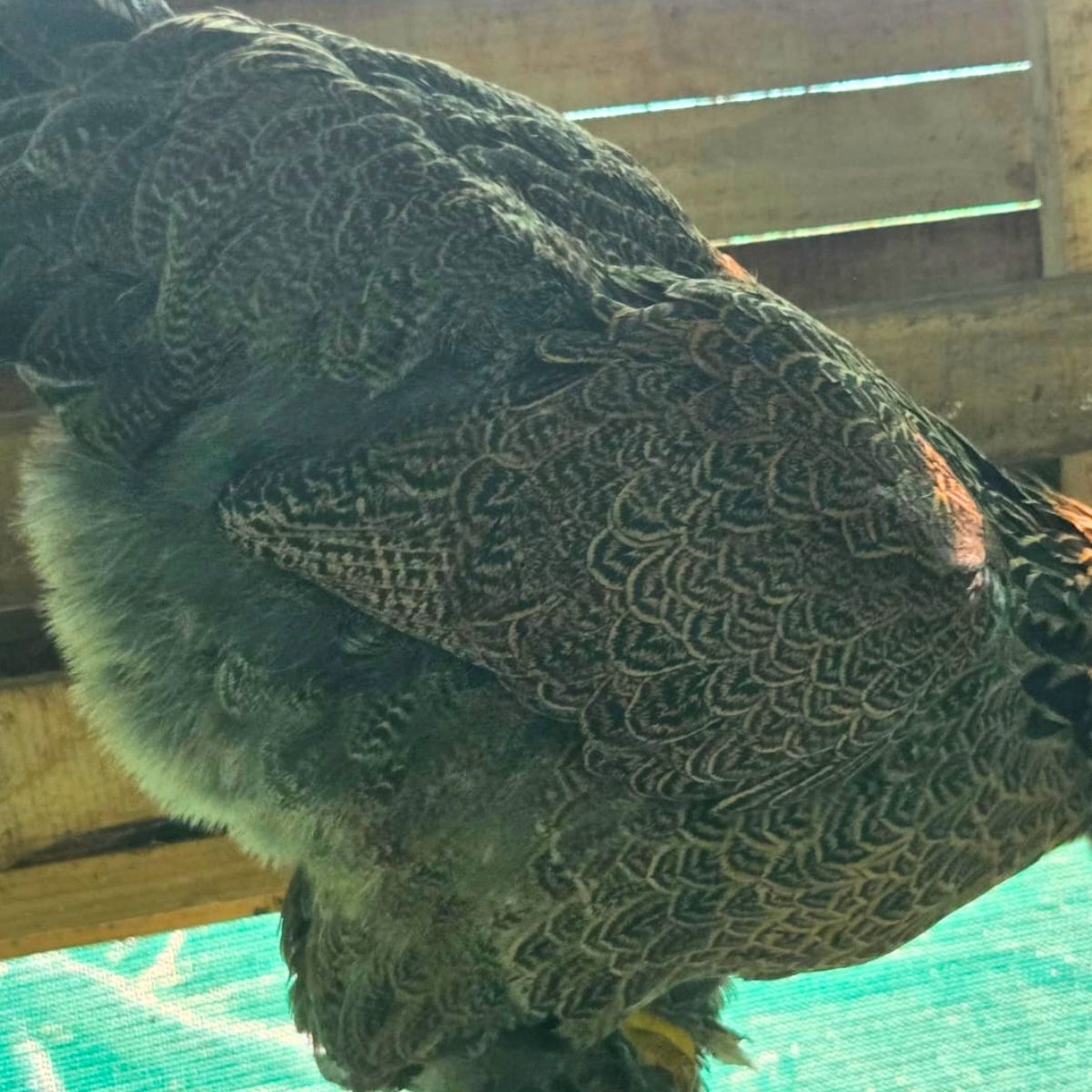
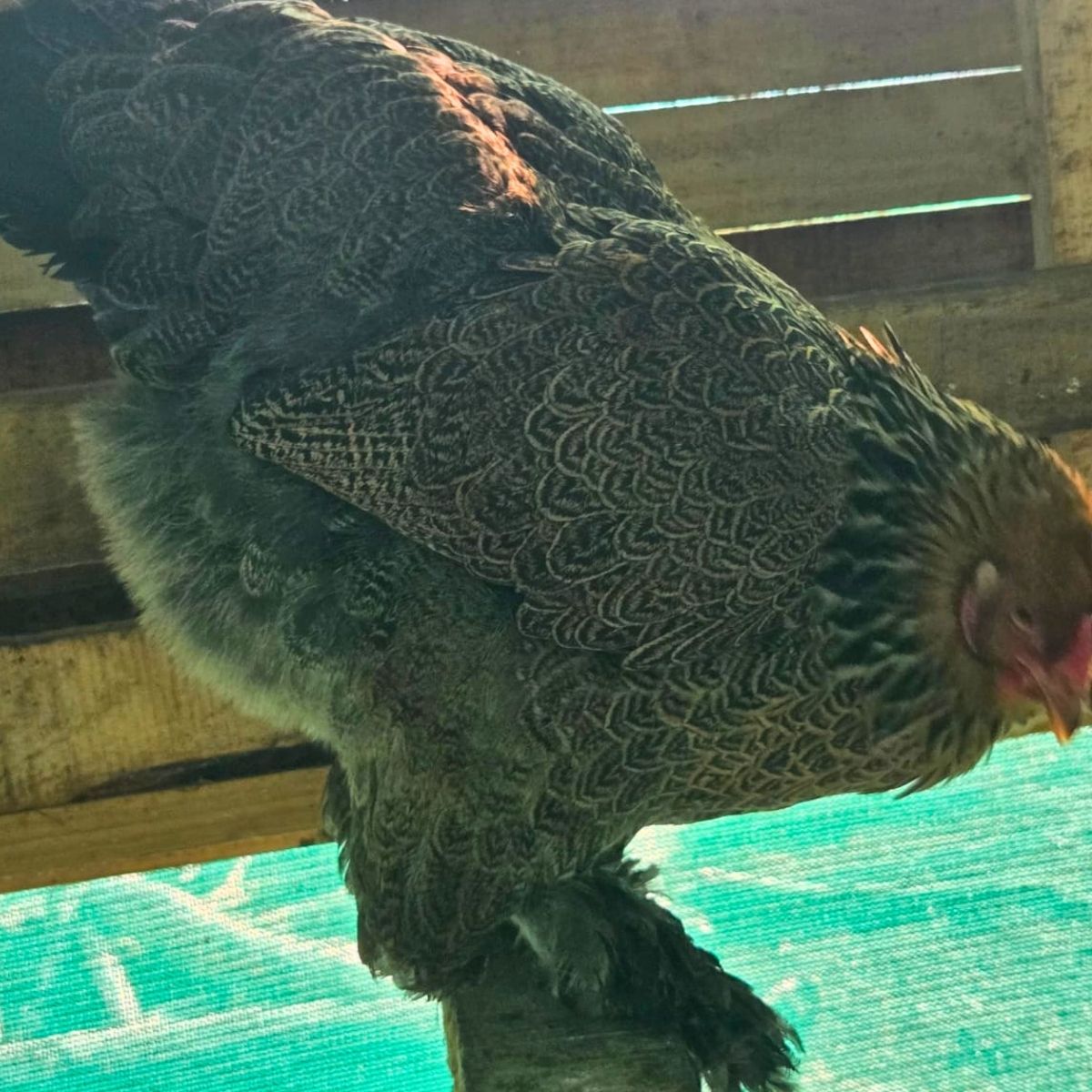
Different colours and patterns are represented in the breeding group, so chicks may hatch in an exciting variety of shades, markings and feather combinations.
Possible characteristics include:
Every hatch is unique. The colour, pattern, sex, size and other characteristics of individual chicks cannot be guaranteed.
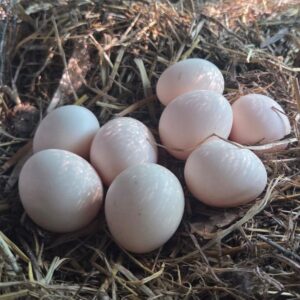
Brahma hens generally lay light-brown to cream-coloured eggs.
The eggs in this listing are sold specifically as fertile hatching eggs for incubation and are not marketed as eating eggs.
Healthy chicks begin with healthy, well-nourished parent birds.
Our Brahma breeding group receives a specially developed, nutrient-rich feed blend twice daily—morning and afternoon. We have carefully refined this blend over time to support the condition, wellbeing and nutritional needs of our breeding flock.
The blend contains a carefully selected combination of:
The Layer Max and Camelus supplements form part of our broader feeding programme and provide additional nutritional support for our actively laying breeding hens.
Fresh seasonal greens and clean drinking water are also provided as part of our flock-management programme.
Our exact feed formulation and mixing ratios are exclusive to Garden Route Trail Hatch House. They reflect the time, care and practical experience we have invested in raising healthy, well-conditioned parent stock. 🌿
Your order includes:
Availability depends on natural laying patterns. A short collection period may be required before your order is ready for collection or dispatch.
When your fertile eggs arrive:
Transported fertile eggs should always be handled gently.
Every breeder develops an incubation routine through experience. At Garden Route Trail Hatch House, we prefer a calm, hands-off approach with as little unnecessary handling as possible.
Always follow the instructions supplied by your incubator manufacturer, as incubator designs and settings may differ.
Although many incubation guides recommend candling on Days 7 and 14, we personally prefer to leave the eggs undisturbed until lockdown on Day 18.
If an egg develops a bad smell, begins leaking or appears damaged at any stage, remove it carefully.
On Day 18:
A developed egg can appear almost completely dark by Day 18, with the air cell visible at the broad end.
We place a single, flat layer of paper towel over the lockdown floor to provide better grip for newly hatched chicks.
Only do this if it is suitable for your incubator design. The paper towel must never cover:
The paper towel must lie completely flat and must not interfere with airflow or humidity.
Once lockdown begins, avoid opening the incubator unnecessarily.
Opening the lid can cause a sudden loss of heat and humidity. This may dry the exposed membranes around pipped chicks and contribute to shrink-wrapping.
Some chicks hatch quickly, while others rest for extended periods between pipping, zipping and emerging. Patience is extremely important.
We do not recommend routinely opening unhatched eggs or helping chicks simply because they appear to be taking a long time.
A chick that is not ready to hatch may still have:
Premature assistance can cause serious bleeding, infection, injury or death.
Assistance should only be considered with great caution when:
Never pull a chick from an egg if active blood vessels, fresh bleeding or unabsorbed yolk are visible.
Leave newly hatched chicks inside the incubator until they are dry and fluffy.
We prefer to wait until the majority of the chicks have hatched and dried before opening the incubator. Frequently opening the lid to remove individual chicks can reduce humidity and place pipped eggs at risk of drying out.
Once the chicks are dry, move them gently into a clean, pre-warmed brooder containing:
Stable conditions, minimal handling and patience usually give chicks the best opportunity to complete the natural hatching process successfully.
When in doubt, pause and observe before intervening. Hatching can take time, and a resting chick is not necessarily a chick in distress.
We maintain active breeding groups for the production of fertile eggs and carefully inspect eggs before packing. However, fertility and successful hatching cannot be guaranteed.
Hatch results may be affected by factors outside our control, including:
Purchasing fertile hatching eggs involves accepting the natural risks associated with transport, incubation and embryo development.
At Garden Route Trail Hatch House, our chickens are valued as living animals and treated with care and respect.
We focus on:
Our goal is to supply carefully selected fertile chicken eggs in South Africa while sharing the rewarding experience of home hatching with poultry enthusiasts.
Please provide the correct delivery address and contact number when placing your order.
The eggs come from Brahma parent stock kept in a mixed-colour breeding group. Different Brahma colours may breed together, so a specific recognised colour variety cannot be guaranteed.
Chicks may inherit a variety of colours, patterns and markings from the parent group. Exact colours and feather patterns cannot be predicted for individual chicks.
No. We maintain an active breeding group and carefully select the eggs, but fertility and hatch results may be affected by natural development, transport, storage and incubation conditions.
Brahma eggs generally follow the standard chicken incubation period and typically hatch around Day 21. Some chicks may hatch slightly earlier or later.
Yes. Secure courier delivery is available throughout South Africa, subject to courier coverage for the destination.
Yes. Collection is available by prior arrangement in Barrington, outside Sedgefield in the Garden Route.
Egg production is naturally limited, and orders are processed on a first-come, first-served basis.
Order your Brahma fertile hatching eggs and enjoy the unforgettable experience of hatching your own mixed-colour gentle giants. 🐣